Truck guns that actually stay zeroed
Truck guns live a hard life, bouncing in and out of pastures, baking in summer heat, and freezing in winter ruts. If the rifle or pistol you keep in the cab will not hold zero through that abuse, it is dead weight when you finally need it. I want to walk through the setups, calibers, optics, and storage tricks that actually keep a zeroed point of impact in real trucks, not on a clean bench.
What “staying zeroed” really means in a truck
When I talk about a truck gun that stays zeroed, I am not chasing benchrest precision. I am looking for a rifle or pistol that rides behind the seat for weeks, gets slammed by washboard roads and temperature swings, and still hits where the sights say at practical ranges. That means the whole system, from barrel and stock to optic and mounts, has to shrug off vibration and impact without wandering several inches off target. In a pickup that sees ranch work or backcountry roads, the gun is effectively living in a rolling impact test every day.
The environment inside a vehicle is also brutal on materials. Heat cycles soften some plastics, cold can make cheap mounts brittle, and constant micro impacts work on screws like a slow-motion hammer. That is why I pay more attention to how a gun is built and secured than to tiny group size on paper. A truck rifle that holds a consistent zero after being stashed behind a seat or in a side-by-side, the way some shooters describe their rigs in real trucks, is worth far more than a delicate tack driver that shifts every time you hit a cattle guard.
Why light recoil and mild calibers hold zero better
Recoil is one of the quiet killers of zero retention in a vehicle gun. Every time you touch off a heavy round, the optic and mounts take a sharp hit, and over time that can loosen hardware or stress cheaper internals. That is a big reason I lean toward what one detailed discussion called Light Recoil options, especially when the truck rifle is mostly for varmints, pests, or informal targets. Rimfire and mild centerfire cartridges are easier on optics and stocks, and they tend to be chambered in rifles that are lighter and handier to stash.
For day-to-day ranch work, a .22 LR or .17 HMR will handle small pests, while mild centerfires like .223 Remington or similar rounds give you reach on coyotes without beating up the gun. One shooter described tossing a Ruger American in 223 in the truck when heading to a cousin’s farm to mow a cemetery, specifically in case a coyote showed up. That kind of mild, practical cartridge gives you enough power for predators while still being gentle on the scope and mounts, which helps the rifle keep its point of impact even after a long stretch behind the seat.
Rifles that shrug off truck abuse
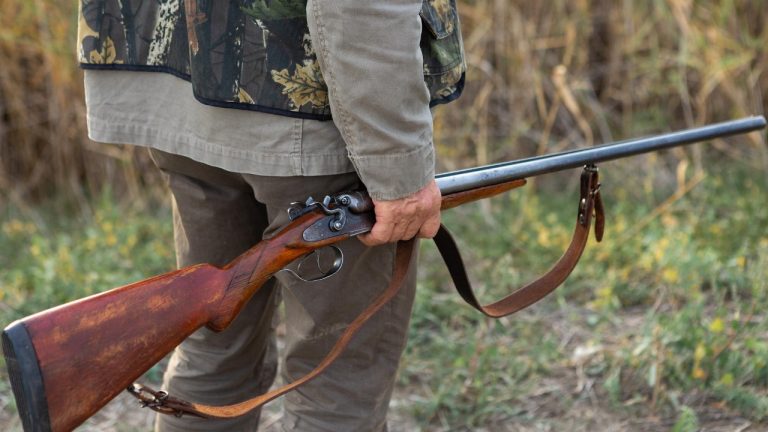
Some rifles are simply built to live rough. I look for solid synthetic stocks, simple actions, and barrels that are not pencil thin. The Mossberg MVP Patrol, for example, is a compact bolt gun designed as a practical working rifle, and its sturdy build and detachable box magazines make it a natural candidate for truck duty. A short, rigid barrel and a stock that does not warp with moisture go a long way toward keeping a rifle’s zero stable when it is bouncing around in a cab.
On the more budget friendly side, a lot of hunters rely on rifles like the Ruger American as their utility gun, precisely because it is accurate enough and tough enough that they do not baby it. When a shooter says that When they head out to mow, they simply throw that rifle in the truck, that tells me the platform has earned trust as a gun that will still be on at practical ranges after a day of rattling around.
Folding and takedown truck guns that still hold zero
Folding and takedown carbines have exploded in popularity because they fit under seats and in center consoles, but the hinge or takedown interface has to be solid if you expect the sights to track. Some of the better known options include the Smith & Wesson FPC, which has been listed around $519, and the Kel–Tec Sub2000 Gen 2 9 mm at about $349. Both are designed so the barrel and sighting system return to the same position when unfolded, which is critical if you expect a red dot or irons to stay on target after repeated folding.
Rimfire takedowns like the Ruger 10/22 Takedown, often listed around $418, are also strong candidates because the locking interface between barrel and receiver is proven and the recoil is minimal. In my experience, if you mount the optic on the receiver instead of the barrel, you need that joint to be rock solid, or you will see point of impact shifts. The better folding and takedown designs lock up tightly enough that, once zeroed, they come back to the same place shot after shot, even after being stowed in a cramped truck compartment.
Optics and mounts that keep their zero
A truck gun is only as reliable as the glass and mounts on top of it. I look for optics that are specifically built to handle impact and still maintain their point of aim. One detailed guide on micro red dots points out that Maintaining Zero after repeated firing or impact is a critical factor, and that high quality locking turrets and rugged housings are what separate serious optics from toys. That is exactly the kind of feature set I want on a gun that will live in a vehicle.
On the carbine side, shooters looking for a truck gun have been eyeing options like the Holosun AEMS Core, which has been discussed around $240, and the Holosun AEMS Pro and New Holosun Red dots with T1 footprints like the SCRS. Even larger holographic sights like the EoTech 518 QD, often mentioned around $467, show up in these conversations because quick detach mounts and proven durability help the sight stay zeroed even if the rifle gets knocked around in the cab.
Zeroing practices that survive the road
Even the toughest rifle and optic will not help you if the zero is sloppy to begin with. I like to zero from a solid bench, then confirm from field positions that match how I will actually shoot out of or around a truck. One thermal scope guide puts it plainly: Zeroing It is straightforward, but if your scope is not zeroed properly, you are not going to hit, and you need to Make sure you confirm that zero regularly. That advice applies just as much to a basic 3–9x as it does to a high end thermal.
For pistols that ride in the truck, I have had good luck with midrange zeros that keep things predictable. One shooter described zeroing a truck pistol at 36 yards after hearing rifle shooters talk about a 36/50 yard setup, and noted that, Surprisingly, it stayed solid beyond 10 yards without weird holdovers. That kind of middle ground zero lets you keep a simple dope card and trust that your point of aim will be close enough for defensive distances, even if the pistol has been riding in the console for weeks.
Storage, scabbards, and keeping the zero you paid for
How you store the gun in the vehicle matters as much as what you bought. Tossing a rifle bare on the floorboard is a good way to knock it off zero and damage the optic. I prefer vertical or angled mounts that support the gun along its length and keep the muzzle pointed in a safe direction. One practical guide recommends a vertical full coverage gun boot, noting that Have a vertical full coverage setup does a better job while eliminating concerns about muzzle orientation, and that you should Watch how your storage handles extreme cold snaps like the deep freeze of 2021.
Inside the cab, I like padded racks that clamp the forend and buttstock, or a scabbard mounted to the seat frame. A separate discussion of truck rifle considerations points out that a vertical full coverage gun boot not only protects the rifle from dings but also keeps dust and moisture off the optic, which helps prevent rust and fogging that can shift zero. If you are running a shotgun as your truck gun, that same advice applies, and a Have shotgun section in that guidance reminds you to Watch how barrel length and storage interact so you are not constantly banging the muzzle and knocking the sights off.
Truck pistols, mag commonality, and realistic expectations
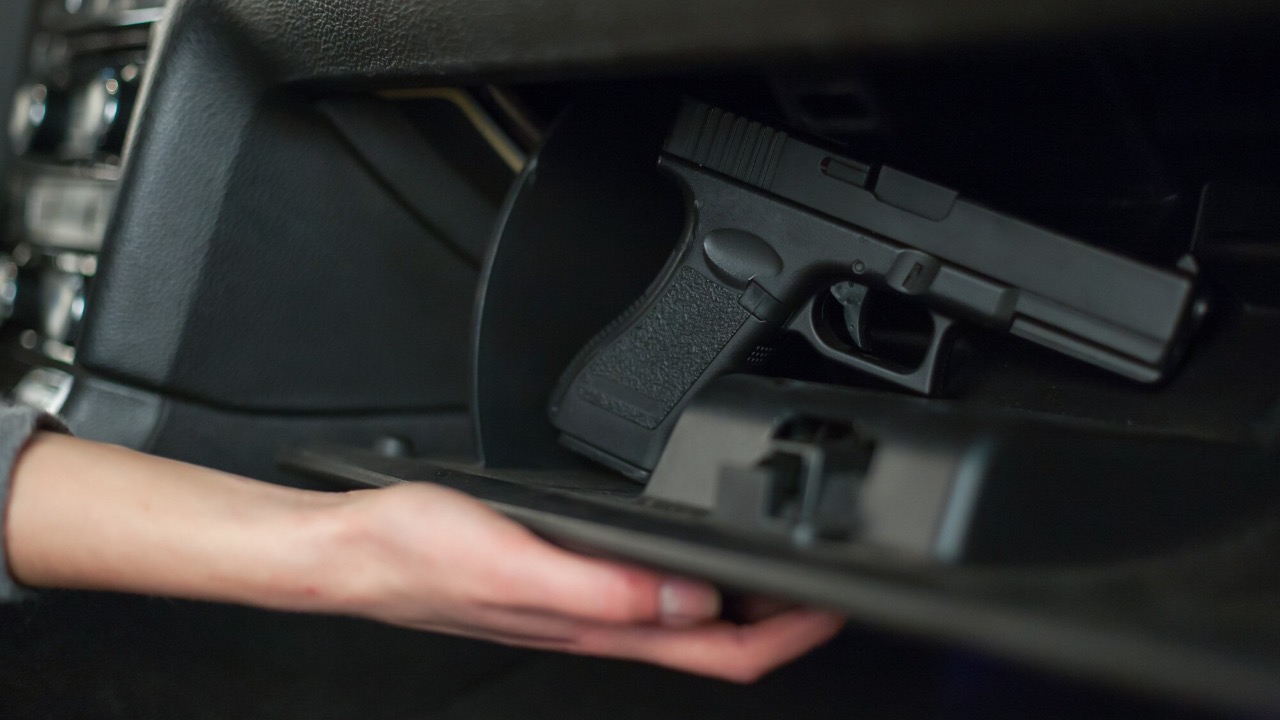
Not every truck gun has to be a rifle. A compact pistol caliber carbine or a handgun with a red dot can ride in the cab and still give you fast, accurate hits if you keep expectations realistic. In one Comments Section about a new home defense and possible truck gun, one user pointed out that the magazines were Glock pattern, and another chimed in, But yeah, go Glock, since that meant the carbine and pistol could share mags. That kind of commonality matters when you are grabbing gear in a hurry and do not want to sort out which magazine fits which gun.
For a truck pistol with a red dot, I still want a durable optic and a solid mounting system. The same micro red dot guidance that stresses High quality locking features applies here, because a pistol bouncing in a console or door pocket will see plenty of bumps. I also keep my zero distances realistic, like the Aug discussion of a 36 yard zero, and I confirm that the pistol still prints where it should after riding around for a while.
Zero checks, lasers, and real-world confirmation
Even with the best gear and storage, I do not assume a truck gun is still on without checking. A quick zero confirmation at a safe backstop on the property or at the range is part of my routine. One detailed look at laser sights stresses that Range Setup and a suitable zeroing range with an appropriate backstop and consistent environmental conditions if you want accurate results. That same discipline should apply when you are checking a rifle that has been living in the truck.
For thermal or night setups, I follow the same pattern. The thermal scope guidance that says you must Zeroing It correctly and Make sure you confirm that zero regularly is especially important when the rifle is bouncing around in a side-by-side on night coyote hunts. I also pay attention to how the optic behaves after temperature swings, since going from a warm cab to a freezing pasture can shift some cheaper scopes. A quick three shot group at your known zero distance will tell you if the truck has knocked things off, and that habit is what keeps a “truck gun” from turning into a guess when you line up on a coyote or a threat.

Leo’s been tracking game and tuning gear since he could stand upright. He’s sharp, driven, and knows how to keep things running when conditions turn.