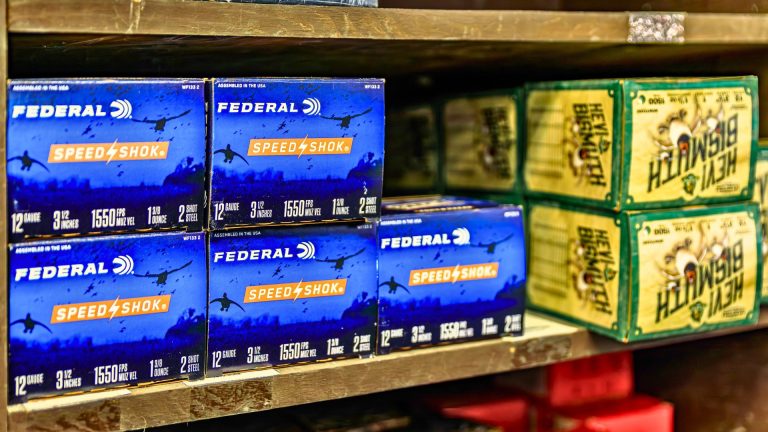
Firearms that keep value even after heavy use
Some guns are meant to be safe queens. Others are built to be dragged through mud, run hard for decades, and still be worth real money when you hand them to the next owner. When I look at firearms that keep value even after heavy use, I focus on designs, makers, and histories that the market keeps rewarding, not just what looks pretty in a catalog.
If you pick carefully, a working rifle, shotgun, or handgun can function like durable gear and a slow-burn investment at the same time. The trick is understanding why certain platforms shrug off round counts and holster wear without taking the same financial hit that most consumer products do.
Why some hard‑used guns hold value while others tank

Every gun starts depreciating the moment you walk out of the shop, but the curve is not the same for all of them. Owners comparing notes on how much guns depreciate keep coming back to the same drivers: supply and demand, brand reputation, and how crowded a given niche is. A generic polymer pistol in a saturated market will usually slide in price, while a proven design with a loyal following can flatten out and even creep back up once it is no longer the new kid on the shelf. That is why people talk about guns in the same breath as other durable assets, even if most models never become true collectibles.
On the investment side, some analysts put firearms in the same bucket as other hard assets that can store purchasing power. One comparison likens buying quality guns to putting money into metals, arguing that, Though most guns are not rare, it is unusual for prices to collapse completely because demand tends to be sticky. That logic is similar to how land specialists describe rural property, noting that They tend to preserve value over inflationary periods. Firearms are not magic, but when you buy into the right segment, you are dealing with a durable good that the market has a long history of absorbing at solid prices.
Condition, maintenance, and why “fired” is not a dirty word
There is a big difference between a gun that has been shot a lot and a gun that has been abused. In one discussion about whether shooting a firearm hurts resale, a commenter flatly states that You will not devalue it by firing it, and that what really kills value is neglect that leads to corrosion, pitting, or mechanical damage. I have seen police trade‑ins with tens of thousands of rounds that still bring strong money because the bores are clean, the timing is right, and the finish wear is honest rather than cancerous rust. Buyers can live with holster polish; they walk away from pitted chambers and hacked‑up screws.
That same logic shows up when guns are exposed to real disasters. Gunsmithing guides point out that Firearms often hold significant monetary and sentimental value, and that careful cleaning after floods or storms preserves both. The message is simple: use the gun, but stay ahead of rust, keep the internals lubricated, and fix small problems before they snowball. A heavily used rifle with a sharp bore and intact crown will always be easier to sell than a “low round count” safe gun that sat in a damp basement.
Brands and models the market keeps rewarding
Some names carry weight even after the finish is worn thin. Auction specialists tracking Collectible Military Gun note that classic service pistols and rifles have seen their values rise dramatically, especially when they come from respected makers. That pattern extends into the civilian side, where high quality duty pistols and all‑metal designs tend to hold their own. One pricing guide points out that in the High Tier range of $900 to 2000, you are looking at duty guns like the HK USP and SIG models that are built to professional standards and typically demand a higher price on the used rack.
On the handgun side, one detailed breakdown of value‑holding pistols lists an Oct feature called THE QUICK LIST, with an Editor Pick that includes heavy duty designs like the HK Mark 23 and the Beretta 92FS Inox. Those guns are not cheap, but they have reputations for durability and a fan base that keeps demand steady. On the long gun side, companies like Beretta have spent centuries building that kind of trust, and their better models tend to move quickly even after they have seen hard field use.
Classic workhorses: revolvers, .22s, and single‑actions
Some of the best value keepers are not tactical at all, they are the blue‑steel and walnut workhorses that have been around forever. Collectors note that Many buyers are hunting for vintage Smith & Wesson revolvers not only for their value as collectibles, but also for their Smith & Wesson historical importance. Another overview of American handguns reminds readers that Smith & Wesson is one of the oldest American gunmakers, Founded in the 1800s, and that heritage keeps even well‑used examples desirable. A clean K‑frame with holster wear will usually sell faster than a cheaper off‑brand revolver that looks new.
On the budget side, there are a few standouts that punch above their price. One list of guns worth hanging onto singles out The Heritage as a plinker and trainer, noting that The Heritage Rough Rider is an impressively reliable firearm and one of those guns worth keeping. In the .22 pistol world, shooters on Canadian forums point out that a Ruger MK2 will probably never be worth more than a few hundred dollars, but it will always be worth something, and there is a ready market for a well‑cared‑for example. These are not safe‑queen investments, they are tools that keep most of their buy‑in price while doing real work.
Military legends that shrug off round counts
Military rifles and pistols with real service history have a way of holding value even when they are far from mint. A long‑running analysis of Garand prices notes that the M1 Garand broke the $2,000 price barrier in 2012 and then marched steadily higher before skyrocketing over the next several years, and that demand for this WW2 rifle shows no sign of slowing. Those rifles were built to be shot hard, rebuilt, and shot again, and the market clearly accepts arsenal rebuilds and service wear as part of the package. The key is originality of major components and an intact bore, not whether the stock has dings.
The design pedigree behind these guns matters too. One detailed catalog entry reminds buyers that the M1 was Designed by Springfield Armory employee John Garand, and that the Garand rifle is still in use today by thousands of competitors each year for High Power rifle matches. When a platform is still winning matches decades after it left government service, buyers are less worried about a high round count. They know the action was built for it, and they are willing to pay for a rifle that has clearly been used as intended.
Shotguns that age well in the field
Shotguns live hard lives in duck blinds and truck racks, but certain models keep their value anyway. Collectors looking back at older doubles note that many prewar guns survived in surprisingly good condition because, as one history puts it, Second World War broke out and many shotguns stayed unused in their cabinets for years while their owners were at war, which left a pool of high condition guns. Those command premiums. But even among hard‑used field guns, certain brands and models still bring strong money because they are known quantities that can be rebuilt and kept running.
On the defensive side, modern semi‑autos have carved out their own corner of the value conversation. One respected rundown of home defense options notes that the 1301 is Beretta‘s top‑of‑the‑line combat shotgun and recommends it if you have the money to buy one. That kind of reputation, combined with the company’s long history, means a 1301 with honest wear will still move quickly on the used market. Buyers know parts and support will be around for a long time, and that matters when you are looking at a shotgun as a long‑term tool rather than a fashion item.
Modern pistols and customs that resist depreciation
Not every value‑holding gun is old. Some current production pistols are already known for keeping their price even after years of carry. A detailed buyer’s guide to value‑holding handguns highlights modern service pistols in its Oct feature THE QUICK LIST, with an Pick of models that balance durability, brand strength, and limited discounting. These are guns that departments issue, competitors run, and civilians carry, which keeps demand high for used examples that are mechanically sound even if the slides are shiny at the muzzle.
At the higher end, enthusiasts on tactical forums point out that High end custom 1911s and 2011s from builders like Infinity, Hayes, Venom, and Rafferty tend to hold value well, even after being shot heavily, because the wait lists are long and production is limited. On the more mainstream side, one Reddit thread about buying with resale in mind notes that You are likely not going to find a bad gun from a main manufacturer these days, and that Looking at common duty models ranging from 300 to 700 dollars is a safe bet. The more a pistol is seen as a standard, the easier it is to sell even after years of holster time.
Collector gravity: when history beats finish wear
There is a separate tier of guns where history and scarcity matter more than round count. One overview of high‑end pieces lays out a Jan Table of Contents that includes icons like the Colt Single Action Army Revolver, described as The Iconic “Peacemaker” with deep Historical Significance. Those guns can be heavily carried and still bring eye‑watering prices if they have the right markings and provenance. In that world, a bit of holster wear is almost expected, and buyers are more concerned with matching numbers and original configuration than whether the bluing is perfect.
Broader lists of “must have” guns for serious collections echo that theme. One Feb feature that opens with the line Feb 11, 2025 and the phrase Let’s explore the remarkable features, storied pasts, and unique characteristics that make these firearms indispensable, leans heavily on models with battlefield or frontier stories. Auction data on Collectible military gun prices shows that these narratives translate into real money, even when the guns show clear signs of use. In that segment, heavy but honest wear can actually confirm that the gun did what it was built to do.
How to shop for value: materials, tiers, and upgrades
When I am looking at a gun with resale in mind, I start with construction. Shooters trading notes on what holds value often point out that Sep comments highlight that Rare guns can appreciate and that all metal guns seem to hold their value better, while Striker fired plastic guns are easier to find on sale. That does not mean polymer pistols are bad buys, but it does mean a forged steel frame or quality alloy can give a gun a longer financial life. A separate thread on which handguns retain value over time reinforces that make and model matter more than any single spec, with one user noting that a Apr discussion of Ruger and other brands shows some models will always be “a few hundred bucks” but rarely drop below that floor.
Thinking like an investor without babying your guns
Supporting sources: Goings-On at Gun, How to Choose, Top 3 Handgun.

Leo’s been tracking game and tuning gear since he could stand upright. He’s sharp, driven, and knows how to keep things running when conditions turn.