Drone Technology Raises New Questions for Fair-Chase Hunting
As consumer drones and thermal cameras get cheaper and more capable, they are colliding with one of hunting’s oldest unwritten rules: the animal deserves a fighting chance. What began as a niche gadget for filming outdoor adventures is now sophisticated enough to locate game, track movement and even scan for heat signatures in the dark. That shift is forcing wildlife agencies, hunting groups and lawmakers to decide where innovation ends and unfair advantage begins.
At stake is more than a new toy in the gear bag. The debate over aerial scouting and thermal “recovery” flights is reopening basic questions about what makes a hunt ethical, how to keep the playing field level between hunters, and whether some uses of technology erode public trust in hunting itself.
Fair chase in the age of aerial eyes
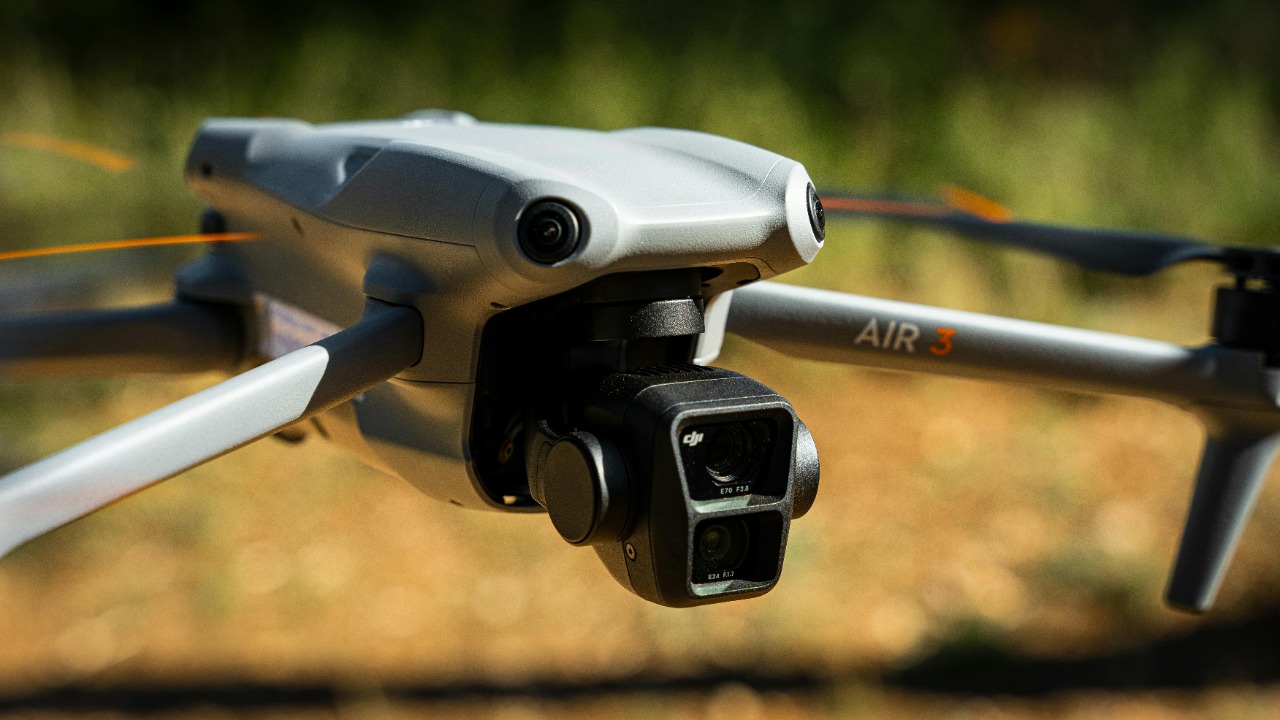
The modern argument over drones is really an argument over fair chase, the idea that wild animals should have a reasonable chance to detect and evade hunters. Long before quadcopters and thermal sensors, organizations like the Boone and Crockett Club framed fair chase as a balance between human skill and the natural wariness of game, asking bluntly whether a hunt is still ethical “if there is no chase” at all. That standard, rooted in restraint and self-imposed limits, is now being tested by tools that can locate animals faster and from farther away than any pair of binoculars, raising the question of whether a hovering camera turns pursuit into something closer to remote control.
State agencies are trying to translate those values into rules that can keep up with fast-moving technology. In Oregon, for example, wildlife officials describe hunting regulations as a way to “level the playing field” and maintain fair chase standards by limiting certain devices and tactics during seasons. Their guidance on regulations makes clear that new gadgets are evaluated not just for safety, but for whether they give hunters an excessive edge over animals or other hunters. That same logic is now being applied to drones, which can cover miles of country in minutes and relay live video to a phone screen.
Why drones feel different from other gear
Hunters have always adopted new tools, from compound bows to rangefinding binoculars, but drones strike many as a qualitative leap. A small quadcopter can fly over bedding cover, peer into inaccessible canyons or circle a standing cornfield without leaving a boot print, effectively erasing the physical effort that once defined scouting. Some ethicists warn that drones risk turning wild animals into targets on a screen, especially when paired with thermal imaging that can pick out a deer or elk by its body heat alone.
That concern is not theoretical. In one discussion of “Groundbreaking Technology,” bowhunter Lee expressed specific worry about the unethical use of thermal drones with wild game, such as flying them to locate animals for a waiting shooter. His comments, shared through a bowhunting outlet, echo a broader unease that remote sensing can replace woodsmanship and patience with a kind of aerial shortcut. When the hardest part of the hunt becomes charging batteries instead of reading sign, critics argue, the experience shifts from fair pursuit to high-tech extraction.
States draw hard lines on airborne assistance
Faced with that shift, many wildlife agencies are not waiting for a wave of abuse before acting. In Illinois, the Department of Natural Resources has reminded hunters that the use of unmanned aircraft, or Drones, for any aspect of hunting or recovery of wildlife is unlawful under state code 520 ILCS 5/1.2o. A separate advisory out of Springfield, IL, carried by CAPITOL CITY NOW, urged hunters preparing for the second firearm deer season to be cautious with technology in the field, underscoring that the Illinois Department of Natural Resources sees misuse of electronics as a real threat to fair chase. That message from Springfield is blunt: not every legal gadget belongs in the deer woods.
Other states are wrestling with similar questions through formal working groups. In Idaho, a Hunting and Advanced Technology (HAT) Working Group convened with support from the Wildlife Management Institute, where participants underscored the paramount importance of upholding fair chase principles as new tools emerge. Meeting minutes describe a focus on ensuring that hunter opportunity and wildlife conservation remain in balance, rather than letting the latest device dictate how seasons are structured. That kind of process, slow and bureaucratic as it can be, is one way states are trying to get ahead of the drone curve instead of chasing abuses after the fact.
When recovery flights cross into illegal hunting
Even among hunters who oppose using drones to locate live animals, many see a gray area when it comes to finding wounded or dead game. Advocates argue that a quick aerial search can prevent waste and suffering, especially in thick cover or urban edges where tracking is difficult. A feature on deer recovery noted that, at their best, The Great advantage of drones is their ability to locate dead deer that otherwise would not be recovered, which can mean fewer unrecovered animals and more honest reporting of harvests. That argument resonates with hunters who see recovery as a moral obligation, not an optional step.
Regulators, however, are drawing a firmer line. In Pennsylvania, a man was accused by The Pennsylvania Game Commission of using a drone to help recover a deer shot by another hunter, a case that raised the question of whether any aerial assistance during a season counts as hunting activity. Coverage of the incident explained that Pennsylvania Game Commission viewed the drone flight as part of the hunt, not a separate rescue mission. A social media post about the same case stressed that the game commission believes in fair chase where the animal has a fair chance to get away even after being shot, and that a deer has a right to stay hidden and lay dead, a stance shared in a fair chase discussion. For regulators, the risk is that a “recovery” flight becomes a scouting mission in disguise.
Hunters, agencies and the ethics gap
As rules tighten, the cultural debate inside hunting circles is growing sharper. In Maine, one longtime outdoors writer put it plainly: using a drone to hunt is not only illegal in that state, it is unethical and violates his sense of fair chase. He described how, for him, part of the fun of hunting is the uncertainty and effort, a sentiment captured in a column that noted, “But using a drone to hunt with is not only illegal in Maine, it’s unethical and violates my sense of fair chase. Part of the fun of hunting is not knowing what’s going to happen.” That kind of personal testimony reflects a broader belief that the challenge is the point, not an obstacle to be engineered away.
Wildlife agencies are trying to articulate that same ethic in more formal language. In Arizona, the state’s game and fish department has publicly tied fair chase to wildlife conservation, stating that, in its opinion, fair chase hunting is not just about giving animals a fair shot, but also about keeping the playing field level between hunters. A social media post explained that “In our opinion, fair chase hunting is not just about giving the animals a fair shot, but also keeping the playing field level between hunters,” a message shared by Arizona officials. That framing suggests that even if a drone does not directly harm wildlife, it may still be out of bounds if it gives some hunters a technological edge that others cannot match.
Thermal drones and the grayest of gray areas
The most contentious frontier is the combination of drones with thermal imaging, which can detect animals or carcasses by their heat signatures in low light or dense cover. In a video discussion titled “The Ethics of Hunting with Thermal Drones and Cell Cameras,” one participant admitted that, in terms of the thermal drone, “it really is a really gray area,” and even joked that they might get in trouble for talking about it. That candid admission, shared in a Nov recording, captures how quickly the technology has outpaced clear ethical norms. Hunters can now fly a grid over a property at night and see every warm body on the landscape, a capability that feels far removed from glassing a hillside at dawn.
Online forums show just how divided the community is. In one Reddit thread titled “Thermal Drones and ethics,” a user named IAFarmLife pointed out that The FAA sets the rules for drones and, unless there is a state law limiting it, drones have free rein from a federal perspective. That comment, shared in an Oct discussion, highlights a regulatory gap: aviation authorities care about airspace and safety, not fair chase. Without clear state statutes, hunters are left to navigate a patchwork of ethics and enforcement, where a practice that is legal in one jurisdiction could lead to a citation in another.
Where the line might settle
For now, the emerging consensus among many agencies and traditional hunting groups is that drones should be kept out of active seasons entirely, both for scouting and for recovery. Oregon’s guidance on limiting technology during hunting seasons, which stresses that regulations are meant to maintain fair chase and keep opportunity equitable, reflects that cautious approach. A related note from the same agency, categorized under Oct General News and quoting Deputy Division Administrator Brian Wolfer, reinforces that new technology is seen as a potential threat to those standards, not just a neutral tool. By treating drones like other prohibited aids, such as radios used to direct shooters, regulators hope to preserve the core of the hunt even as gear evolves, a stance outlined in an Oct briefing.
At the same time, the fair chase conversation is not static. The Boone and Crockett Club’s question about whether a hunt is still fair if there is no chase, posed in a reflection on there’s no chase, invites hunters to think beyond the letter of the law and consider the spirit of the pursuit. As thermal drones, cell-connected trail cameras and other advanced tools proliferate, the burden will fall on individual hunters, not just wardens and lawmakers, to decide which advantages they are willing to leave on the table. The future of fair chase may depend less on what is technically allowed and more on how many people are willing to say no to an easy win when a drone controller is sitting in their pack.

Leo’s been tracking game and tuning gear since he could stand upright. He’s sharp, driven, and knows how to keep things running when conditions turn.