Firearms Trends Show a Move Toward Simpler Designs
Across the firearms world, the most interesting new products right now are not the flashiest. From handguns to survival rifles, designers and shooters are converging on a quieter priority: make the gun simpler, easier to run under stress, and more reliable in bad conditions. The result is a market that still embraces innovation, but increasingly hides it under clean lines and stripped‑down controls rather than layers of gadgets.
I see that shift in how enthusiasts talk about their rifles online, in what instructors say their students actually buy, and in the hardware that dominated early previews for SHOT Show 2026. The common thread is a move away from complexity for its own sake and toward designs that are intuitive, durable, and focused on core performance instead of endless customization.
From “Gucci guns” to basic rifles
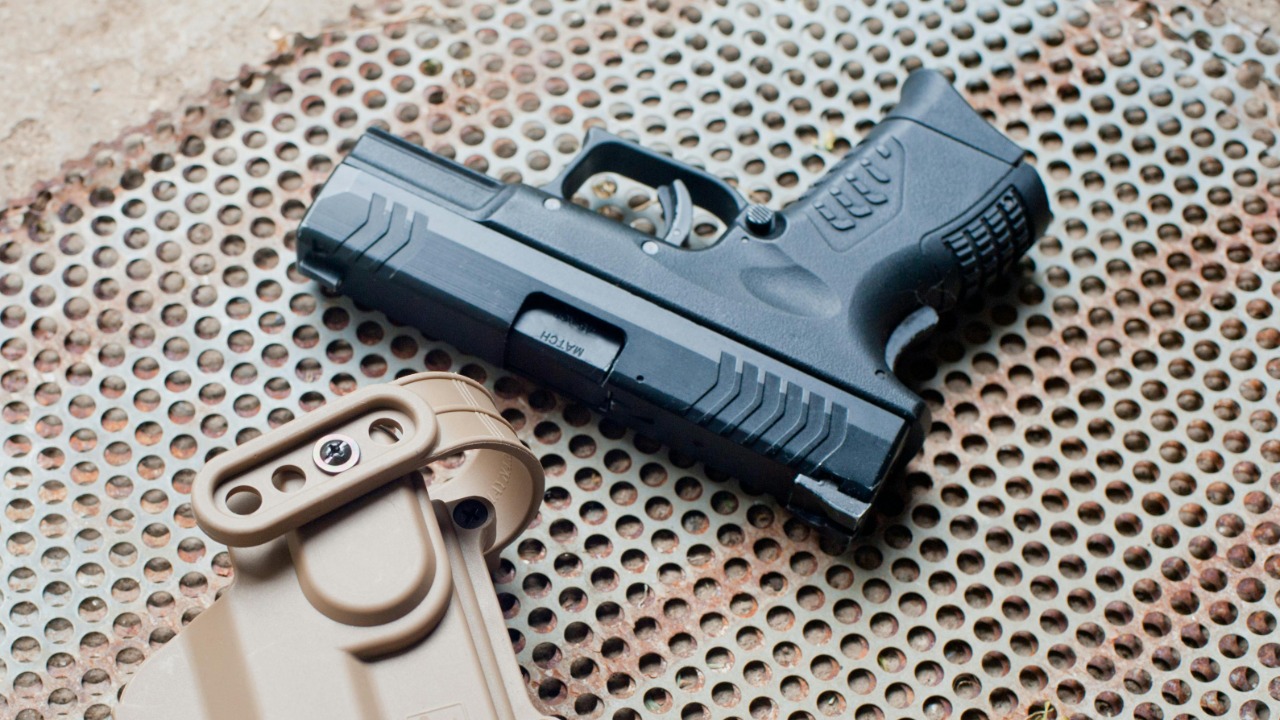
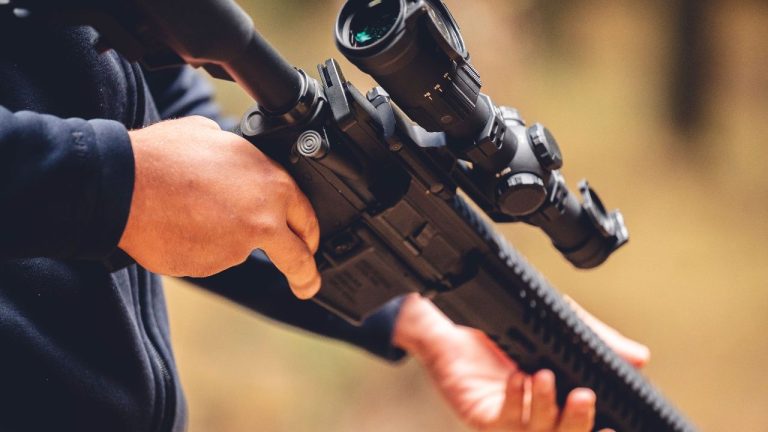
For years, the rifle scene was defined by maximalism: free‑float rails covered in accessories, adjustable everything, and configurations that looked more like science projects than field tools. That culture has not disappeared, but the tone of recent discussions has shifted toward a kind of fatigue with constant tinkering. On enthusiast forums earlier this year, shooters described deliberately stripping rifles back to fixed stocks, simple optics, and rugged iron sights, arguing that fewer points of failure matter more than the latest trend when something actually goes wrong.
Those conversations are not just nostalgia. In threads tracked around early 2026, users explicitly framed this as a return to basic, reliable setups that privilege function over fashion, a sentiment captured in reporting on rifle configuration trends. Shooters there talked about ditching complicated adjustable gas systems they never tuned, or multi‑reticle optics they never fully understood, in favor of setups they could maintain with basic tools and run confidently under stress. The appeal of a “do‑everything” rifle is giving way to a more modest goal: a carbine that does a few things very well, every time.
Handgun buyers reward clean, carryable designs
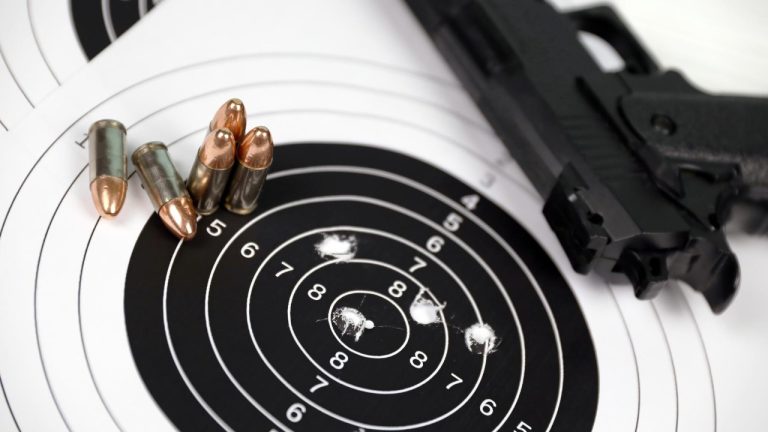
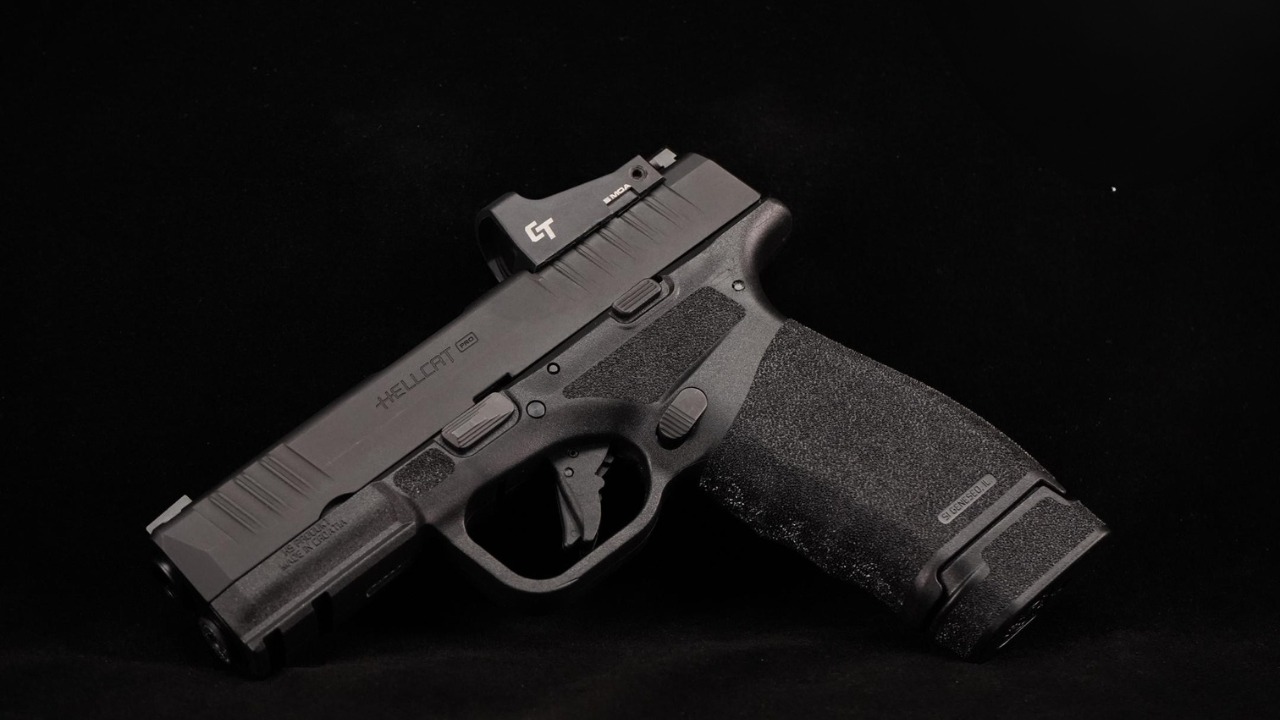
The same appetite for simplicity is even more obvious in the handgun market, where everyday carry has become the dominant use case. Compact and subcompact pistols remain the most sought‑after category, not because they are the most technologically advanced, but because they are easy to conceal, straightforward to operate, and light enough to carry all day. Industry analysis describes the Constant Popularity of by their simplicity of concealment and movement, and that phrase captures how design and behavior now reinforce each other.
When a pistol is primarily a defensive tool, owners tend to favor fewer levers and buttons, consistent trigger pulls, and controls that can be learned once and repeated under pressure. That is why polymer striker‑fired pistols with minimal external safeties still dominate concealed carry classes, even as more exotic designs appear at trade shows. The same analysis notes that these small and subcompact guns are Driven by daily carry and self‑defense needs, which reward designs that disappear under clothing and demand minimal thought to bring into action.
Instructors see students overwhelmed by choice
On the training side, instructors are blunt about how crowded the handgun and rifle shelves have become. One recent overview of the training community notes that There are dozens of models available from a large portion of the firearms industry, with prices that range from several hundred dollars into four‑figure territory. For new shooters, that abundance can feel less like freedom and more like a trap, where every purchase risks being the “wrong” one.
In my conversations with trainers, they describe students arriving with pistols festooned with aftermarket parts, only to discover that the extra features slow them down. The reporting on firearms instructors underscores a growing push to steer students toward simpler, proven platforms that let them focus on fundamentals. Instructors argue that a reliable, mid‑priced handgun with clear sights and a consistent trigger will carry a student further than a cutting‑edge model whose features they never fully master.
SHOT Show handguns: incremental, not radical
That preference for straightforward operation is shaping what manufacturers bring to big stages. In previews for SHOT Show 2026, one of the most closely watched launches is a new generation of Glock pistols. Commentators looking at early footage of seven new handguns stressed that the next Gen 6 pistols will need to do more than just look modern. The argument is that if Gen 6 nails three core things, the rest of the 2026 handgun world will be reacting to Glock rather than the other way around.
Those three things, as described in the same analysis, are not exotic: better ergonomics, improved triggers, and reliability that matches or exceeds previous generations. In other words, the bar for a “revolutionary” pistol has quietly shifted from adding new firing modes or complex optics interfaces to refining how the gun feels in the hand and how predictably it runs. Even the video that walks through 7 NEW Guns frames the competition as a race to deliver simple, shootable pistols that feel intuitive out of the box, rather than platforms that demand a deep dive into manuals and menus.
Survival rifles strip back to essentials
The survival rifle niche, once dominated by quirky takedown designs and multi‑caliber experiments, is undergoing its own reset. Commentators covering five new models for SHOT Show 2026 argued that the survival rifle game “just changed completely,” not because of wild new mechanisms, but because manufacturers finally aligned features with realistic use. The video on 5 New Survival highlights lighter weights, simpler folding mechanisms, and controls that mirror common hunting or defensive rifles so users do not have to relearn muscle memory in an emergency.
What stands out in that coverage is how little time is spent on exotic calibers or complex modularity. Instead, the focus is on rifles that can be stowed easily, deployed quickly, and maintained with minimal tools, a pattern reinforced in a second look at the same Shot Show lineup. In practical terms, that means fewer tiny screws to lose in the field, fewer proprietary parts, and more emphasis on robust stocks and barrels that can survive rough handling. For hikers, pilots, and rural landowners who might actually rely on these guns in a crisis, that kind of simplicity is not a downgrade, it is the main selling point.
Ergonomics and controls quietly carry the innovation load
Even when manufacturers do add new features, they increasingly package them in ways that feel familiar rather than futuristic. Early hands‑on reports from the SHOT Show 2026 range day describe pistols and carbines with new features, improved ergonomic layouts, better triggers, and extended, more effective grip textures. One detailed preview notes that these New designs also include cocking serrations on the slide for easier manipulation, a small change that can make a big difference for shooters with less hand strength.
That same pattern appears in another range report that emphasizes improved ergonomic details over radical new operating systems. Instead of reinventing the basic semi‑automatic pistol, companies are refining grip angles, slide profiles, and trigger geometry so that the gun points more naturally and cycles more smoothly. For the end user, the experience is a firearm that feels simpler to run, even if the engineering behind those refinements is quite sophisticated.
Why “simple” is winning: reliability, training, and trust
Underneath all these product decisions is a basic reality: most gun owners do not live on a range. They carry a compact pistol to the grocery store, keep a carbine in the closet, or pack a survival rifle in a truck, and they want those tools to work without constant adjustment. Forum discussions about rifle trends repeatedly circle back to reliability over the latest trends, a phrase that could just as easily describe the compact handgun boom or the new survival rifles.
From my vantage point, that is why the most influential products at events like SHOT Show are often the least visually dramatic. A Glock Gen 6 that refines its trigger and grip, a compact pistol that carries more comfortably, or a survival rifle that folds and unfolds without fuss all reflect the same design philosophy. They treat simplicity not as a lack of innovation, but as the highest form of it, where every new feature has to justify its place by making the gun easier to trust, not harder to understand.

Leo’s been tracking game and tuning gear since he could stand upright. He’s sharp, driven, and knows how to keep things running when conditions turn.