Why practice at the range doesn’t always translate to the woods
Plenty of bowhunters can stack arrows in the bull’s-eye at 30 yards on a flat range, then watch a broadhead sail high over a buck’s back when it finally steps into a shooting lane. The gap between range performance and real hunting outcomes is not about talent disappearing in the woods, it is about how differently the brain and body behave once the shot actually matters. To close that gap, practice has to look and feel less like a sterile drill and more like the messy, unpredictable reality of a live animal encounter.
That means rethinking everything from how often you shoot to the angles, light, and pressure you train under, and accepting that a perfect group on paper is only the starting point. When I look at how experienced hunters and coaches structure their off-season work, the common thread is simple: they design practice that forces decisions, simulates stress, and mirrors the exact shots they expect to see in the stand or on the mountain.
The static range problem: why perfect groups can mislead you
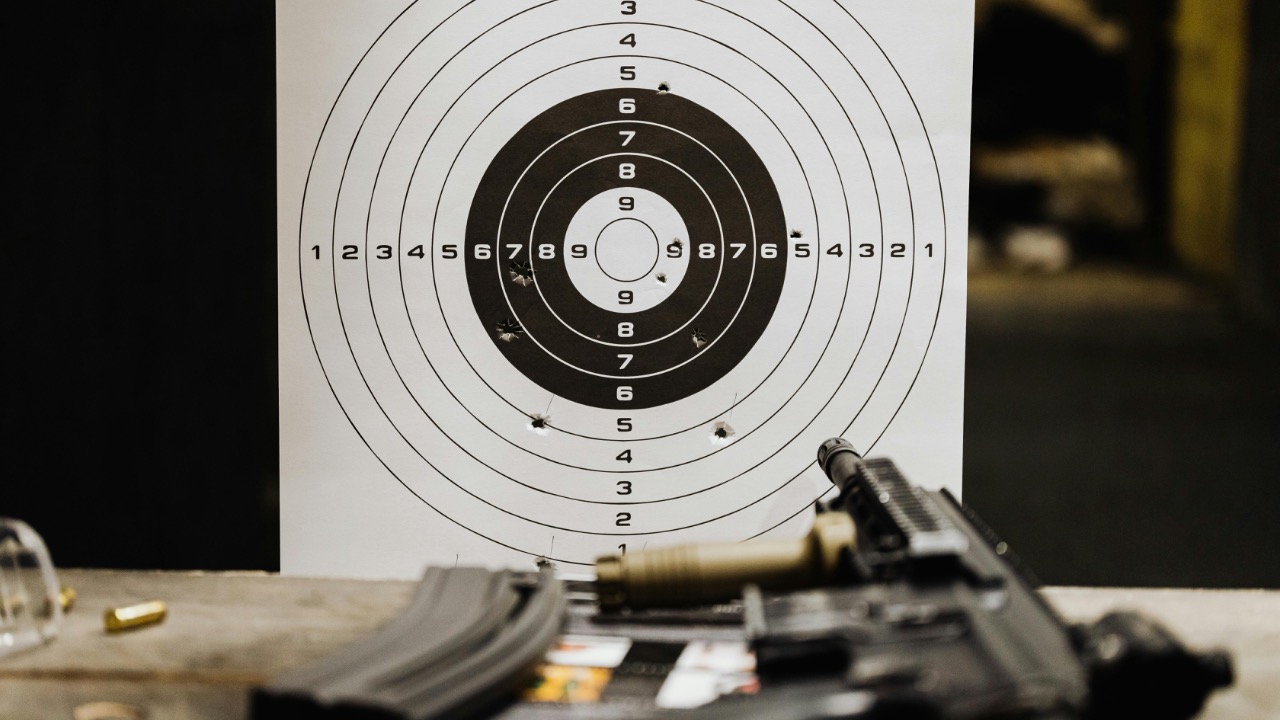
On a typical backyard or club range, the environment is controlled, the target is known, and the shot sequence is repetitive. You stand on level ground, shoot from a preferred stance, and send arrow after arrow into the same spot until your form feels automatic. Golf coaches describe the same pattern on the driving range, where the practice facility is a static, constant environment with flat lies and a solo target, which is why Hittin balls there often fails to translate to the course.
Archery practice that never leaves this comfort zone builds technical skill but not adaptability. When every shot is from the same distance and posture, your brain learns a narrow script instead of a flexible process it can apply when a deer appears at an odd angle or a bull elk hangs up behind brush. That is why some coaches urge archers to Stop Sho repetitively at the same dot and instead vary distance, target size, and shot sequence so the mind stays engaged and the body learns to solve new problems, not just repeat one motion.
Pressure, decision-making, and the mental game
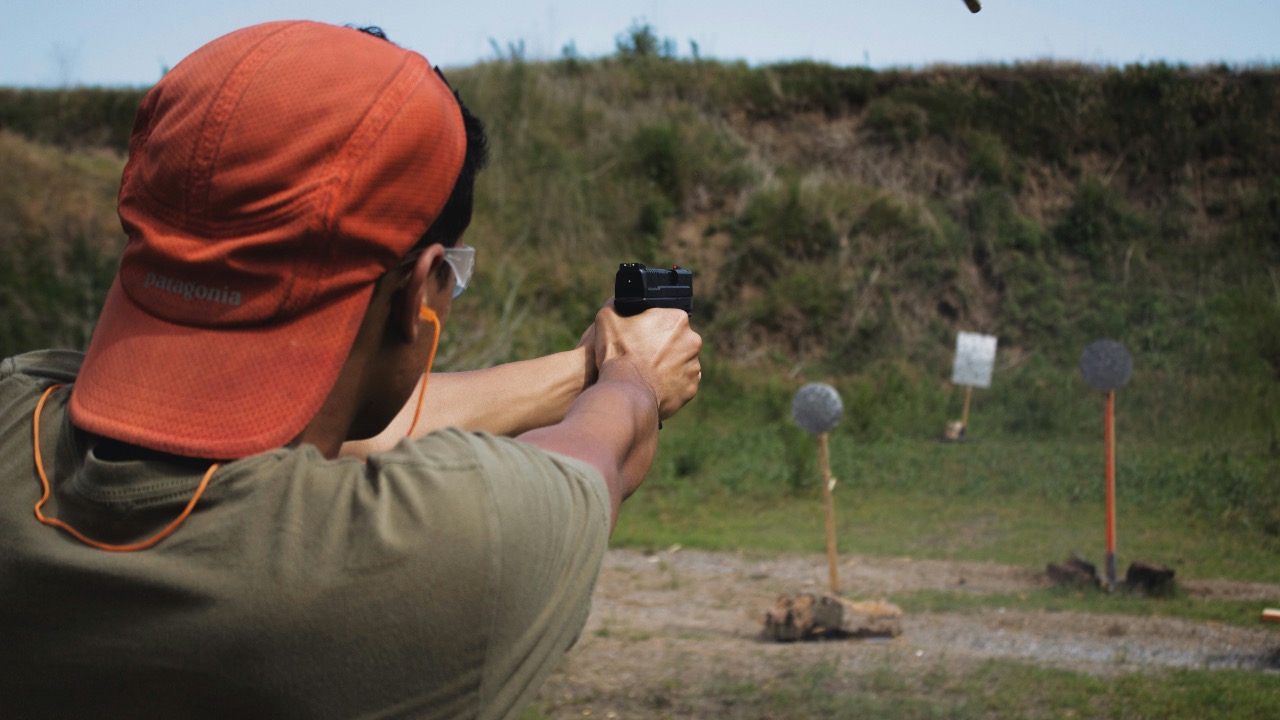
The biggest difference between the range and the woods is not the target, it is the pressure. On the range, a bad shot costs you nothing more than a bruised ego and maybe a lost fletching. In a tree or on a stalk, a bad shot can mean a wounded animal or a blown season, and that weight changes how your nervous system behaves. Golf instructors see the same thing when players who stripe it on the range suddenly tense up on the first tee, which is why some recommend range sessions that mimic a real round instead of hitting the same club over and over, echoing the advice that It’s always easier to hit repetitive shots than to hit one shot that counts.
For bowhunters, that means building pressure into practice on purpose. One way is to shoot fewer arrows and treat each one as if it is the only chance you will get, stepping away between shots and forcing yourself through a deliberate routine. Another is to shoot with friends, keep informal scores, or time your shot sequence so you have to make decisions quickly, much like a 3D course where competitors, as discussed in a Jul #10MinuteTalk about preparation, use match conditions to harden their mental game. The goal is not to create anxiety for its own sake, but to normalize the feeling of a “must hit” arrow so it no longer surprises you when a buck steps out at last light.
Light, weather, and environmental chaos
Most of us default to shooting when it is convenient, which usually means calm evenings with good visibility. The woods rarely cooperate. Animals move heavily at dawn and dusk, when shadows are long and pins are harder to see, and they move in wind, drizzle, and cold that can stiffen muscles and change how your bow feels. That is why some coaches urge archers to practice in Low Light and in all possible weather conditions instead of waiting for perfect evenings, because the shot that matters is unlikely to happen under ideal circumstances.
Environmental factors do not just affect you, they affect your equipment. The Ashby Bowhunting Foundation has highlighted how Environmental factors like temperature, humidity, and altitude can affect both bow and arrow, changing point of impact and arrow flight. If you only ever sight in and practice on a warm, dry afternoon at home, you may be surprised by how your setup behaves on a cold, damp ridge at elevation. Building sessions that deliberately expose you to wind, rain, and temperature swings helps you learn how your gear responds and builds confidence that your point of aim will still hold when the weather turns.
Angles, elevation, and body position in real hunts
Another major disconnect between range and field is shot geometry. On the range, you stand upright on flat ground, square to the target, with no obstacles. In a tree stand or on a steep hillside, you are twisting around a trunk, bending at the waist, or shooting sharply uphill or downhill. Shooting from an elevated platform introduces several variables that differ significantly from level-ground practice, which is why detailed guidance on Shooting from height stresses how misjudged angles can lead to missed opportunities or wounded game.
Three-dimensional targets and creative setups help bridge that gap. Practicing various Angles on 3D targets, including quartering-away and quartering-to shots, forces you to think about arrow path in relation to an animal’s vitals instead of just center punching a circle. Some hunters place targets on slopes or shoot from decks and ladders to simulate more elevated shots, learning how to bend at the waist to maintain form and how distance estimation changes when you are above or below the target. The more your practice posture matches your hunting posture, the less likely you are to feel awkward or rushed when a real animal appears at a tough angle.
Timing, routine, and realistic shot windows
Hunting shots rarely happen when you are fully relaxed and perfectly set. They come at first and last light, after long sits, or at the end of a hike when your legs are tired. That is why some coaches emphasize that if you plan on taking shots at dawn and dusk, you should Practice for First and Last Light, because Big bucks are often the biggest culprits of moving right at the edge of legal and ethical shooting time. Training your eyes and pins in those conditions helps you learn what you can ethically see and what you should pass.
Shot windows are also shorter in the field than on the range. You may have only a few seconds between when a deer clears brush and when it steps behind another tree. To prepare, some coaches recommend drills where you come to full draw, hold for an extended period, then let down and repeat, building strength and control so you can wait for the right moment. Others suggest “one arrow” routines, where you Practicing this type of shooting in the backyard by coming to full draw and holding until you feel a bit of fatigue, then executing a clean release, so when that same scenario unfolds in the field you already know just what to do.
Volume, distance, and the myth of “ready in a month”
One of the most persistent illusions created by range practice is the idea that a few weeks of decent groups mean you are ready to hunt. In reality, building the strength, consistency, and situational awareness needed for ethical shots takes months. Formal safety courses stress that archers should Begin practicing months before bowhunting season and that Top bowhunters often practice year-round, not just in the final countdown to opening day. That kind of timeline allows you to tune gear, ingrain form, and then layer in realistic scenarios without rushing.
The temptation to compress that learning curve is strong, especially for newcomers. A recent discussion on r/bowhunting captured this when one user asked, Are you saying you are thinking about starting archery now and hunting in 1 month, and another replied that while the answer might technically be Yes, it is not a good idea compared with the experience of someone who has been shooting for 40+ years. On the other end of the spectrum, some highly experienced archers report that these days they do not bother practicing under 60 yds except when tuning, and that All of their practice is from 70 to 110 yards at a small target, using long-range work to expose flaws and make closer shots feel easier. Both extremes highlight the same truth: volume and distance work are tools, but they only translate to the woods when paired with time, discipline, and realistic expectations about what you can do under pressure.
Making practice purposeful instead of mindless
Even with plenty of time, not all practice is created equal. Shooting daily without a plan can groove bad habits as easily as good ones, and it can leave you bored and disengaged. Some coaches warn that while it is a good idea to shoot on a regular basis, your practice also needs to be purposeful, otherwise you can wind up just flinging arrows, which is why one detailed bow bootcamp regimen stresses, Yes, shoot often, but do not shoot for score in a way that distracts from form and hunting realism.
Purposeful practice means setting specific goals for each session: one day focused on close-range form, another on awkward body positions, another on simulated hunting scenarios. Off-season strategies encourage archers to Here are four ways to do just that, including drills that force you to move between targets, change distances, and think about arrow placement in relation to an animal’s vitals instead of just chasing tight groups. When every arrow has a purpose, the habits you build are far more likely to hold up when a real animal steps into range.
Continuous learning and adapting your range to the woods
Bridging the gap between range and woods is not a one-time fix, it is an ongoing process of learning and adjustment. Conditions change, gear evolves, and your own body and skills shift over time. That is why some bowhunting educators emphasize Continuous Learning, urging hunters to Read, watch, and reflect on their experiences so they better understand both their equipment and their place in the wilderness. That mindset treats every miss, marginal hit, or passed shot as data to refine future practice, not as a failure to be ignored.
In practical terms, that might mean adjusting your routine after a season where you struggled with low-light shots, adding more dawn and dusk sessions similar to the Last Light drills, or doubling down on steep-angle work after a mountain hunt exposed weaknesses in your elevated shooting. It could also mean joining a local 3D league, where the mix of unknown distances, varied terrain, and friendly competition mirrors the kind of adaptive shooting discussed in the Wha conversation about using matches to prepare for bowhunting. The more you treat your range as a laboratory for real-world scenarios instead of a place to chase perfect paper scores, the more your practice will finally start to look like the woods you hunt.

Leo’s been tracking game and tuning gear since he could stand upright. He’s sharp, driven, and knows how to keep things running when conditions turn.