The Reason Practice Is Finally Getting More Attention
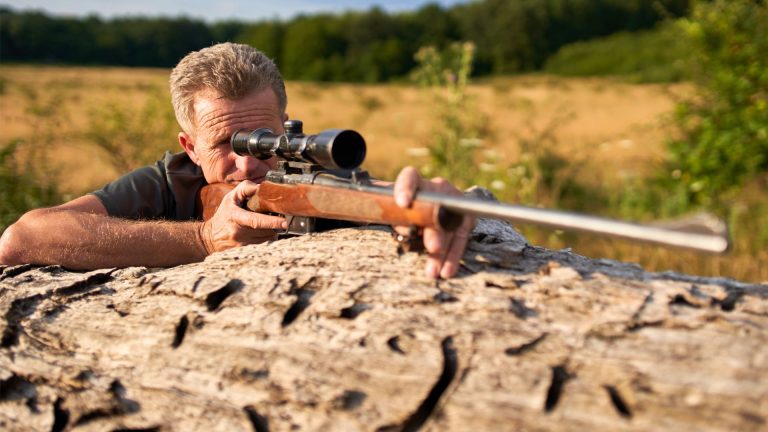
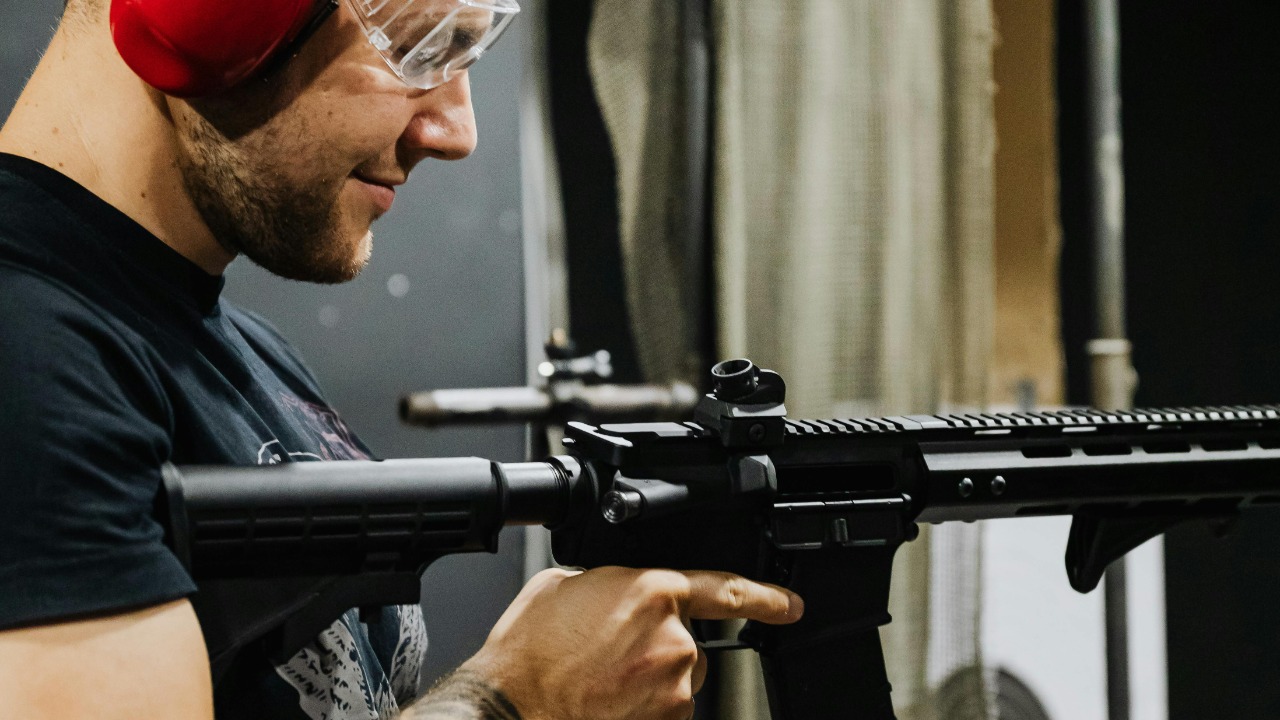
Gun practice has moved from the margins of the firearms debate to the center of it, as more owners treat training as a responsibility rather than an optional hobby. Instead of focusing only on buying the latest pistol or rifle, a growing share of shooters are investing time and money in structured instruction, regular range sessions, and skills that go far beyond basic marksmanship. I see that shift reshaping who shows up at ranges, how they talk about safety, and why they say practice matters in the first place.
That change is not happening in a vacuum. A surge of new owners, shifting politics, and a deeper understanding of the mental and physical demands of shooting are all pushing practice into the spotlight. From formal pistol courses to community leagues, gun culture is slowly redefining itself around training, discipline, and shared standards of competence.
New gun owners are driving a culture of training
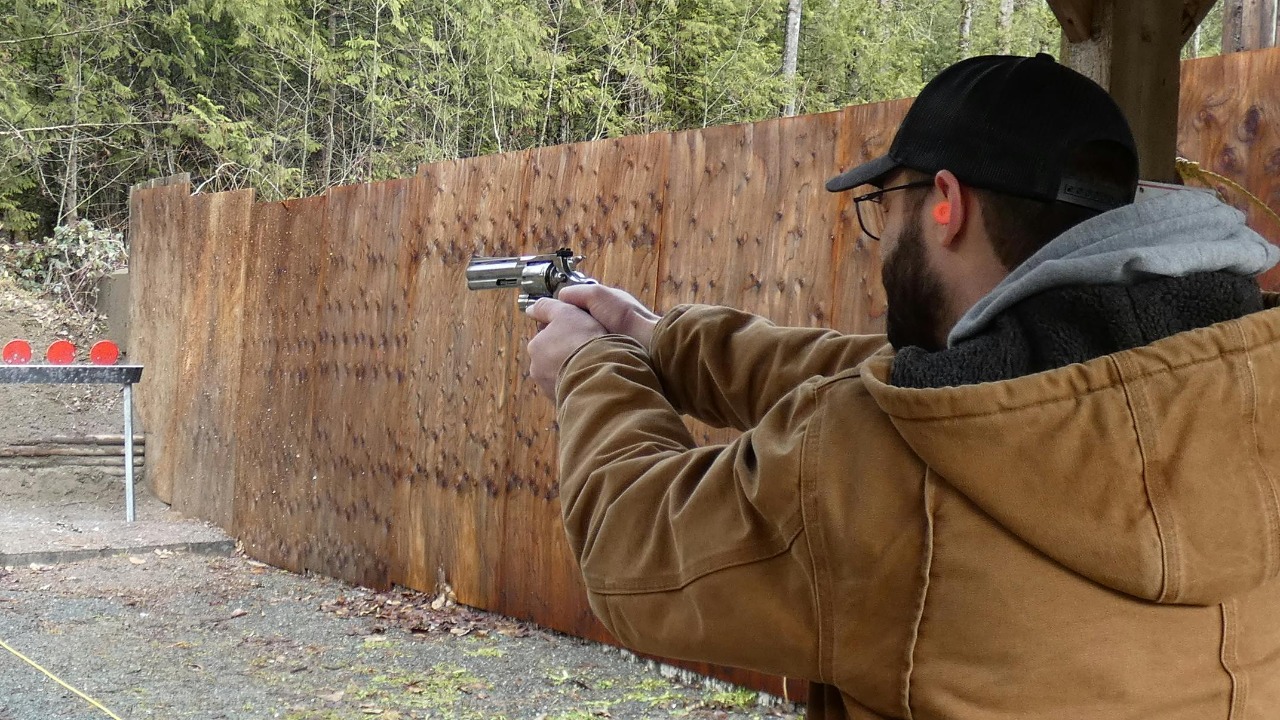
The most powerful engine behind the new focus on practice is the sheer number of first‑time buyers. When people who did not grow up around firearms decide to purchase one, they are far more likely to seek out instruction, ask questions, and sign up for classes that promise to turn unfamiliar hardware into a manageable tool. Reporting on the market for instruction points to a historic Surge in New Gun Owners, and that influx is reshaping demand at every level of the training industry.
In my conversations with instructors, they describe classes filled with people who have never loaded a magazine before, sitting next to hobbyists who finally decided that watching videos was not enough. Several trainers say that this mix has forced them to standardize safety briefings, slow down their pacing, and build curricula that assume nothing about prior experience. As those new shooters progress, they often become the most vocal advocates for ongoing practice, because they remember how intimidating the first session felt and how much more confident they became after structured coaching.
Politics and identity are pulling new communities to the range
Politics are also pushing practice into the foreground. Since President Trump returned to office, trainers report a visible rise in interest from people who once saw gun ownership as something that belonged to someone else. One national news program recently noted that, since President Trump’s second inauguration, more liberals, people of color, and LGBTQ shooters say they are buying firearms and seeking instruction, a trend trainers say they have been watching for years and that was highlighted on Since President Trump.
As those communities step into gun culture, they often insist on formal training as a condition of participation. Many of the new owners I meet in urban classes talk about wanting to feel competent enough to carry in public without becoming a danger to themselves or others, and they are quick to sign up for multi‑day courses rather than one‑time permit sessions. That shift in who is in the room changes the conversation at the range, turning practice into a shared language that can bridge political and cultural divides even when people disagree on policy.
Why “just having a permit” is no longer enough
One of the clearest signs that practice is finally getting its due is the growing skepticism about bare‑minimum licensing classes. In many states, a short course and a written test are all that stand between a new owner and a concealed carry permit, yet instructors warn that this is a floor, not a standard of competence. As one training company bluntly puts it, Concealed Carry Classes Enough, because Every program sets its own bar and Some barely touch on the realities of drawing from concealment under stress.
When I watch students transition from a basic permit course into a dedicated pistol class, the gap is obvious. They may know the legal boxes they need to check, but they struggle with fundamentals like consistent grip, safe reholstering, and managing malfunctions without sweeping the line. That experience is pushing more owners to treat pistol training as a recurring commitment rather than a one‑time hurdle, and it is normalizing the idea that responsible carry includes regular live‑fire practice and scenario‑based drills.
Gun ranges are becoming social hubs, not just firing lines
Another reason practice is getting more attention is that ranges themselves are changing. Instead of anonymous lanes and fluorescent lighting, many facilities now market themselves as clubs, with leagues, events, and coaching that turn practice into a social habit. One Florida facility describes how Gun ranges often foster a strong sense of community, whether patrons are entering a competition or simply sharing a lane, and argues that this environment can contribute to personal growth well beyond tighter groups on paper.
I see that dynamic play out in weeknight leagues where the same shooters show up month after month, swapping tips on drills and gear while holding each other accountable for safety. Aug meetups and informal matches turn practice into a standing appointment, and Whether someone is a brand‑new owner or a retired law enforcement officer, they are expected to follow the same range rules and model the same discipline. That shared culture makes it easier to talk openly about mistakes, near misses, and the need for more training, which in turn reinforces the idea that practice is a normal, ongoing part of owning a firearm.
Safety is reframing training as a duty, not a luxury
For a long time, some gun owners treated advanced courses as something only competitors or professionals needed. That attitude is eroding as more instructors frame training as a core part of being a “responsible gun owner.” One program spells this out by telling students, “As responsible gun owners, we” must prioritize ongoing instruction, and it lists Enhanced Safety Practices and Improved Accuracy and Skill Development as non‑negotiable reasons to keep coming back to the range.
When I sit in on those classes, the message is blunt: if you are not practicing, your skills are decaying, and that decay has real‑world consequences. Instructors walk students through case studies where poor trigger discipline or unfamiliarity with a firearm’s controls led to preventable injuries. They also emphasize that safety is not just about avoiding accidents, but about having enough control and judgment to decide when not to shoot. That framing turns practice into a moral obligation tied to the decision to own a gun at all.
Training is being sold as a lifestyle upgrade
At the same time, the industry is learning how to market practice as something aspirational. Instead of pushing only new optics or holsters, some brands now highlight classes and coaching as the best way to get more out of the gear people already own. One instructor and content creator notes that Several factors are driving a shift where training is becoming more popular than new gear, pointing to a Jul focus on experiences that help shooters build confidence and push past personal limits rather than just filling another slot in the safe.
I hear that same pitch in conversations with students who say they finally stopped chasing the latest accessory and started investing in coaching. They talk about training weekends the way others describe fitness retreats, complete with travel, camaraderie, and a sense of accomplishment. That lifestyle framing matters, because it makes practice feel like a positive choice instead of a chore, and it encourages owners to budget for classes the way they might for a gym membership or a ski trip.
The mental and physical benefits are part of the draw
Beyond safety and performance, shooters are increasingly aware of the mental and physical benefits that come with regular practice. Learning to manage breathing, focus on a front sight, and control fine motor movements under pressure can feel surprisingly meditative. One Las Vegas range highlights the Meditational Elements of shooting, explaining that, for some students, the need to concentrate on one thing, it feels great and provides a break from daily stress.
In my own visits to busy indoor ranges, I see that effect in the way people describe their sessions. Office workers talk about leaving their phones in the car and treating an hour on the line as a reset. Others mention the physical challenge of managing recoil, stance, and grip as a kind of functional workout that keeps them engaged in a way a treadmill never did. When practice is framed as a path to better focus and stress relief, it becomes easier to justify regular sessions and to talk about training in the same breath as other wellness habits.
Resolutions and structured goals are normalizing ongoing practice
Seasonal goal‑setting is also giving training a boost. As each New Year approaches, ranges and clubs increasingly urge members to treat instruction as a formal commitment rather than a vague intention. One Colorado facility explicitly encourages shooters to ask themselves Why Choose Firearm Training
I see that messaging echoed in sign‑up spikes for multi‑month programs that start in January and run through spring. Students often arrive with specific goals, such as passing a defensive pistol qualification or feeling comfortable enough to carry daily. By tying those goals to a calendar and a structured curriculum, ranges help normalize the idea that practice is not a one‑off event but a recurring part of the year, much like tax season or back‑to‑school shopping.
Personal meaning is deepening the commitment to practice
Finally, gun practice is getting more attention because it means more to the people who do it. For some, the appeal lies in craftsmanship and technical mastery. One member of an online community for left‑leaning shooters describes how It takes a level of mastery and understanding to get to a point where you can not only build a basic AR but something truly unique, and how time on the range requires 100% of their attention, a sentiment shared in a Jan discussion among LiberalGunOwners.
When practice becomes a way to express identity, build custom equipment, or carve out focused time in a distracted world, it stops being a box to check and starts being a valued ritual. I hear that in the way long‑time shooters talk about “their” lane, “their” drills, and the satisfaction of shaving a fraction of a second off a draw or tightening a group by half an inch. That personal meaning, layered on top of safety, politics, and community, is why gun practice is finally being treated as central to ownership rather than an optional extra.

Leo’s been tracking game and tuning gear since he could stand upright. He’s sharp, driven, and knows how to keep things running when conditions turn.