What Hunters Notice After a Few Missed Opportunities
After a few blown chances in the woods, most hunters start to realize that missed shots are not random bad luck. They are patterns, and those patterns point straight at habits, preparation, and mindset. When I look closely at my own failures, I see the same themes that experienced hunters describe: technical gaps, rushed decisions, and the mental spiral that can follow if you let it.
What hunters notice after a few missed opportunities is that every mistake carries information. The difference between staying stuck and getting better is whether you treat those moments as proof you are not good enough, or as detailed feedback on how to adjust your shooting, your setups, and your expectations for the next season.
When the Shot Misses but the Lesson Stays Put
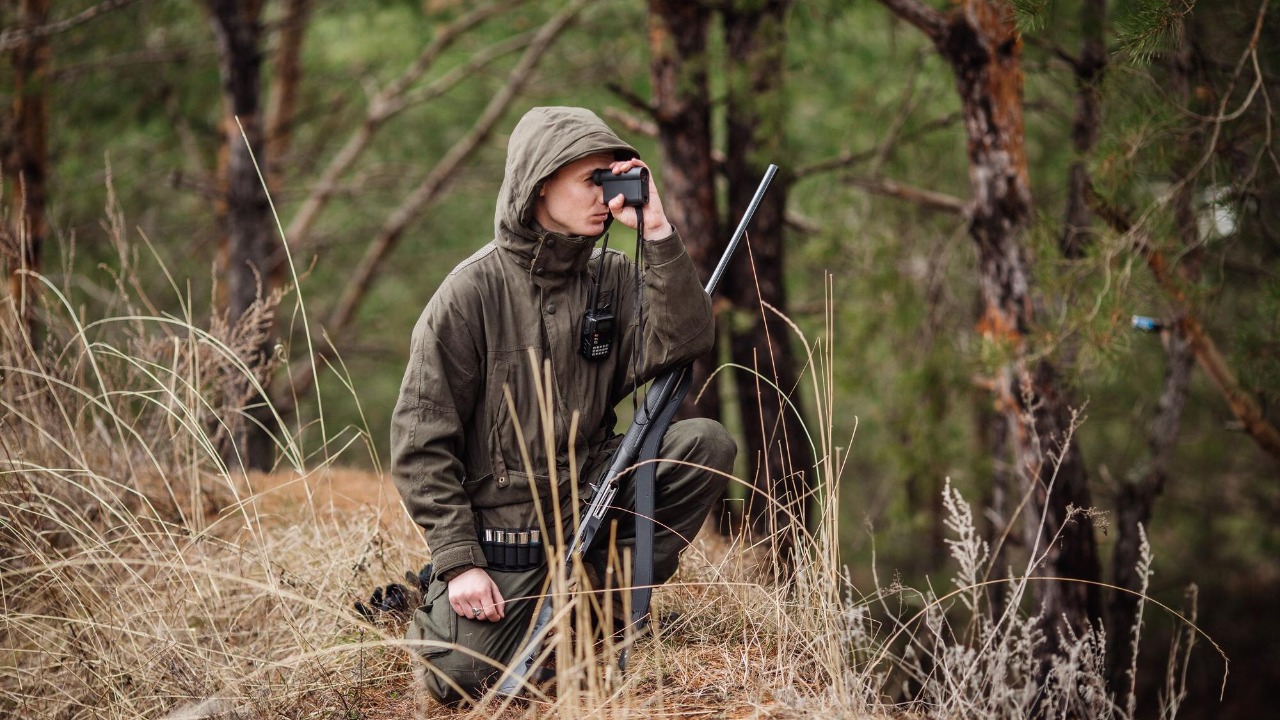
The first thing that changes after several misses is how seriously I take the moment right after the shot. Instead of immediately blaming the rifle, the bow, or the wind, I have learned to freeze the scene in my mind and replay it in slow motion. Hunters who have watched a cloud of smoke clear and seen a buck still standing in front of them describe how that shock quickly turns into a checklist: where the sights were, how the trigger broke, and whether the animal reacted before the shot, all of which shape how they reflect on a. That kind of immediate reflection is uncomfortable, but it is the only way to turn a blown chance into a specific lesson instead of a vague regret.
After a few of these episodes, I notice that my internal questions become sharper. Instead of asking “How did I miss that deer,” I ask whether I pulled the shot, misjudged distance, or rushed because I feared the animal would bolt. That shift mirrors the advice to make reflection the first step, not an afterthought, and to interrogate details like body position, rest, and sight picture before moving on. Over time, those questions become a habit, and the habit itself is what keeps a single mistake from repeating across an entire season.
Gear Gremlins, Human Error, and the Real Cause of the Miss
Once the sting of a miss fades, most hunters start sorting out whether the problem was mechanical or human. I have had moments when a loose scope ring or a frayed bowstring clearly played a role, and it is tempting to pin everything on equipment. Yet experienced whitetail hunters point out that even the most prepared shooter will occasionally have an equipment-related miss, and that in the hours or days afterward the real work is separating those rare gear failures from the far more common user mistakes that can be fixed with practice and better routines around basic maintenance. When I look honestly, most of my own misses trace back to rushed setups, poor follow-through, or ignoring a nagging doubt about my zero.
That realization changes how I prepare for the next hunt. Instead of endlessly upgrading gear, I focus on confirming my rifle at realistic field positions, checking every screw and strap before the season, and rehearsing the exact shot sequences I am likely to face. The more I do that, the more I see equipment as a small slice of the problem and my own consistency as the main variable. Misses still happen, but they stop feeling mysterious, and that alone makes them easier to accept and correct.
The Emotional Crash and Why “Nobody Is Perfect” Matters
After a few painful misses, the emotional pattern becomes as familiar as the ballistic one. There is the initial jolt, the replaying of the moment on the drive home, and then the quiet doubt about whether I deserve to be out there at all. Hunters who talk openly about losing animals or missing clean shots often start with a simple reminder that Nobody Is Perfect, and that we know this deep down even if we resist accepting our own shortfalls. Hearing that from others does not erase the heartache, but it reframes it as part of a shared experience rather than a private failure.
For me, that perspective is what keeps a bad evening from poisoning an entire season. When I treat a miss as proof that I am careless or unworthy, I start to hesitate on future shots or avoid opportunities altogether. When I accept that even careful hunters will sometimes lose animals or misjudge a situation, I can grieve the mistake, review what went wrong, and still look forward to the next sit. That balance between accountability and grace is what allows the lessons to sink in without turning into shame.
Patterns in the Woods: What Misses Reveal About Deer Behavior
After enough close calls, I start to see that the problem is not only my shooting but also where and how I am hunting. Missed opportunities often cluster around the same terrain features, wind directions, or phases of the rut, which suggests that I am not reading patterns as well as I think. Hunters who study buck travel during peak breeding periods warn that simply sitting in obvious funnels is not enough, and that failing to track how deer parallel bedding cover or use subtle terrain can be one of the main reasons people come up short during the rut, a point underscored in discussions of Not Hunting Patterns. When I overlay my misses on a map, I often find that I was set up slightly off the true travel line or hunting a wind that made deer uneasy before they ever stepped into range.
Those realizations push me to pay closer attention to recurring sign and timing. The idea that a good buck may revisit the same scrape or trail on a rough weekly cycle, sometimes described as a kind of Day Rule, helps explain why I keep seeing deer just out of range on certain dates. Instead of writing those encounters off as bad luck, I now treat them as data points that can guide my stand placement and timing the next time that pattern comes around.
Reading Animal Behavior After the Shot and Between Encounters
One of the most important skills I have picked up from missed chances is learning to read what the animal is telling me, both before and after the shot. When a deer or elk reacts to a sound or movement, its body language often reveals whether it is relaxed, suspicious, or about to bolt. Hunters who emphasize careful observation note that if you stay calm and still, you can read the animal better and scrutinize its mood, because Better awareness of those cues can shape whether you attempt a follow-up shot or back out. I have learned that a tail flick, ear angle, or slight quartering can matter as much as the yardage reading on my rangefinder.
That same attention carries over to how I set up in the first place. Advice on Reading Animal Behavior in the Field Even when I am tucked into an ambush spot has changed how I scan the woods. Instead of staring only at obvious openings, I watch for subtle movements, changes in bird chatter, or a single horizontal line that does not match the vertical trees. Many of the animals I once “missed” without ever seeing were actually broadcasting their approach; I just had not trained myself to listen.
Technical Flaws: Flinching, Form, and the Mechanics of a Miss
After a few painful whiffs, I started paying closer attention to what my body was doing in the instant before the shot. On the rifle side, one of the most common culprits is Flinching, often driven by shot anticipation, recoil, or the blast of the report. I have caught myself tightening my shoulders or blinking just as the trigger breaks, which sends the bullet off target even when everything else feels right. Recognizing that pattern has pushed me toward more dry-fire practice, better hearing protection, and a deliberate focus on a smooth trigger pull sequence instead of a jab.
With archery gear, the list of technical pitfalls grows longer. Detailed breakdowns of why bowhunters miss deer point to issues like poor anchor consistency, torque on the grip, misjudged yardage, and the adrenaline spike often called buck fever, which some writers argue actually saves more deer than any other factor because it causes so many rushed shots, as outlined in discussions of Obvious Issues While analyzing common misses. When I film my own practice sessions, I see those same flaws show up under pressure, which makes it clear that the animal is not the only one whose behavior changes when a big buck steps into view.
Stand Placement, Wind, and the Subtle Art of Being “Just Off”
Repeated close calls have taught me that where I sit can be as important as how I shoot. I used to hang stands in the most obvious trees overlooking the cleanest shooting lanes, only to watch deer skirt the edge of my range or circle downwind at the last second. Over time, I noticed that the animals were using side trails, ditches, and edges that kept them just out of sight and scent. Advice on overlooked stand locations highlights tactics like hunting with a “just-off” wind, where the breeze is largely in the buck’s favor but still safe for the hunter, a concept that has reshaped how I think about stand placement. Instead of trying to beat a deer’s nose outright, I now aim to make my presence barely tolerable, not invisible.
Those adjustments have reduced the number of times I watch a mature deer blow out of the area without offering a shot. I also pay more attention to pressure and access, especially on public land. Seasoned public land hunters emphasize that with enough time you start recognizing patterns in where deer like to bed, how they travel certain terrain features, and which spots get hammered by other hunters, insights that help you develop a better feel for where and when to hunt, as described in guidance that starts with the simple observation that You will see patterns emerge. Many of my early misses were really scouting failures in disguise.
Mindset Shifts: From Beating Yourself Up to Hunting for Positivity
After enough frustration, I realized that my mental approach was either amplifying or easing the impact of every miss. When I carried anger and self-criticism into the next hunt, I tended to rush shots, second-guess decisions, and focus on what might go wrong. Hunters who have wrestled with the same cycle talk about deliberately cultivating a consistent positive mindset toward chasing trophy bucks, and about staying conscious of when negative self-talk starts to creep in so they can reset and remember that they must be present to win, a phrase that anchors their commitment to hunting for positivity. That idea resonates with me, because presence is exactly what vanishes when I fixate on past mistakes.
Part of that mindset shift involves reframing failure itself. One Adult Onset Hunter describes Lesson 5 as Embracing Failure and a necessary part of the journey, with plenty of frustration and heartbreak along the way. I have found that when I treat misses as expected stepping stones rather than embarrassing detours, I am more willing to analyze them honestly and less likely to hide from the work they reveal. That does not make the sting disappear, but it keeps me engaged, curious, and ready to improve.
Season Recaps, Small Fixes, and the Long Game
From Missed Coyotes to Digital Long Shots: Extra Chances and Real Limits

Leo’s been tracking game and tuning gear since he could stand upright. He’s sharp, driven, and knows how to keep things running when conditions turn.