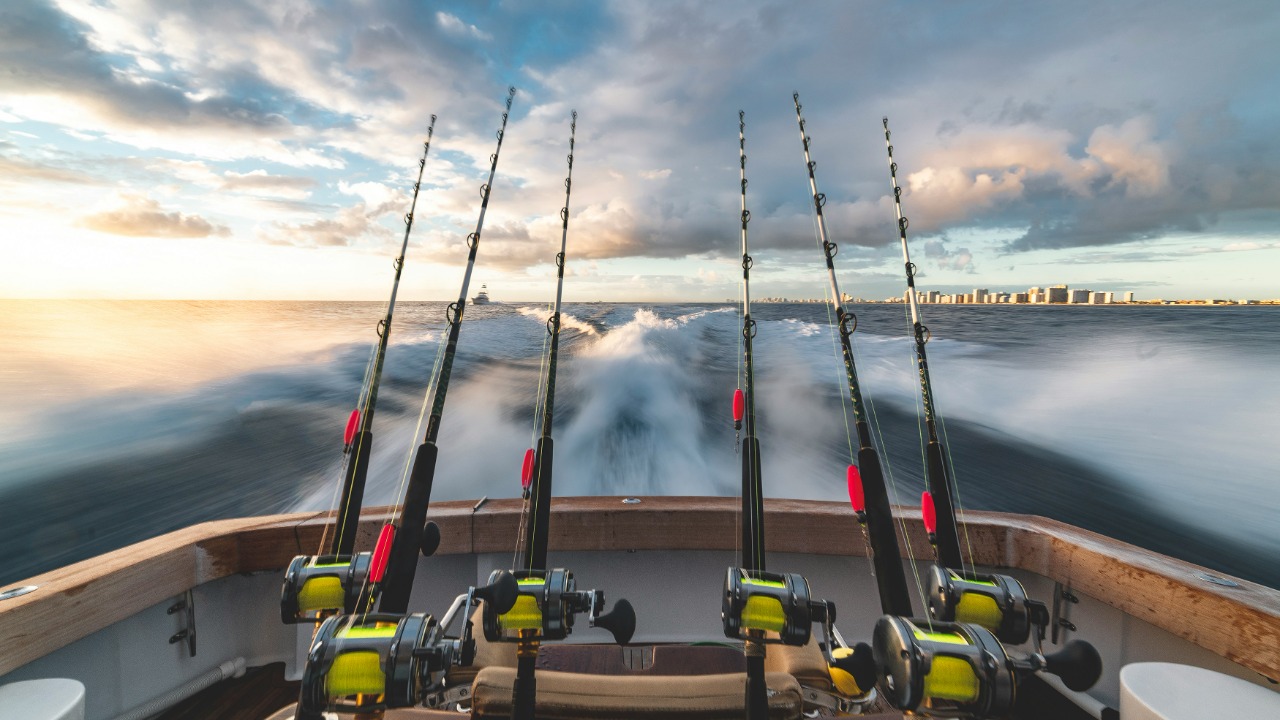
What Fishing Reports Aren’t Telling You
Fishing reports promise a shortcut to the bite, but the fine print is rarely obvious. I see them less as crystal balls and more as partial snapshots, shaped by human bias, safety concerns, local politics, and the simple fact that fish move faster than any newsletter. To use them well, you have to understand what they leave out as much as what they say.
The illusion of certainty in a messy sport
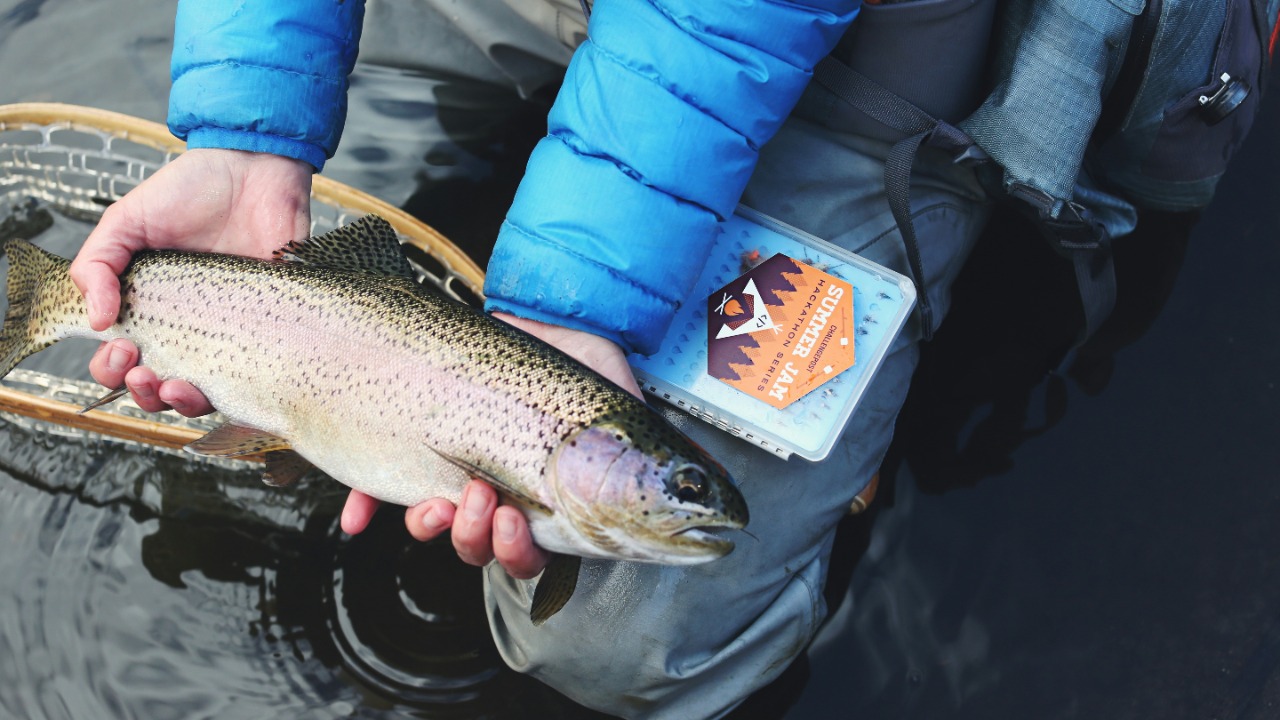
Most anglers treat reports as if they are weather forecasts, when in reality they are closer to yesterday’s box score. A detailed write up with photos can create the impression that you are seeing the whole story of a river or bay, yet even a report that pairs text with images only captures a narrow slice of the conditions, the tactics, and the species that happened to cooperate during a specific window. One guide notes that a report with pictures can show the gear, the water color, and even the species composition of the local fish, but it is still a curated highlight reel rather than a live feed of what is happening across the entire system, which is why I treat those glossy recaps as context, not gospel, when I plan a trip.
The gap between perception and reality widens once you are on the water. Carp specialists point out that simply knowing fish are present is not enough, because on many lakes they can be everywhere, and the real challenge is finding the subset of fish that are actually most likely to take a bait at that moment. That same logic applies to every species: a report can confirm that bass, trout, or redfish are in the area, but it cannot tell you which stretch of bank or depth band is holding the active fish right now, so I read those updates as starting points and then build my own picture around the specific locations that are most likely to produce.
Why “slow bite” might be your best opportunity
One of the biggest blind spots in public reports is how they flatten nuance into vague labels like “hot” or “slow.” I have learned to pay special attention when a report calls the action tough, because that often signals a pattern that is simply more technical, not impossible. In one account from the Mississippi backwaters, the writer describes how, Last fall, a generic “slow bite” label masked a subtle but consistent pattern that only revealed itself after they noticed three tiny clues in current seams and bait behavior, a reminder that broad adjectives can hide very specific opportunities for anyone willing to read the water instead of the headline.
That same story underscores how timing and micro location matter more than the overall grade. The Mississippi example shows that even when the general verdict is negative, certain cuts, eddies, or depth transitions can still be loaded with fish that respond to the right presentation. When I see a downbeat summary, I treat it as a signal that pressure will be lighter and that the fish that are feeding will be less educated, which can be an edge if I am prepared to experiment with speed, angle, and profile instead of assuming the day is lost before I launch.
Dock talk, half truths, and outright lies
Anglers have always edited the truth, and modern reports are no exception. Around any busy ramp, “dock talk” tends to swing between bragging and sandbagging, and even seasoned pros admit that it rarely delivers a reliable pattern. One veteran named Woody, quoted saying, “Honestly, I don’t remember ‘dock talk’ ever helping me out too much,” captures what I have seen for years: casual chatter is usually either outdated, missing key details, or intentionally vague, which is why I treat those conversations as color rather than data when I am trying to decode a lake.
Online, the incentives to bend the truth are even stronger. In one heated thread, an offshore angler complains that people are lying about fishing catches, boasting about Marlin and tuna on days when the bite was dead and insisting they know exactly What is biting right now even though conditions change hour by hour. Another group post leans into the joke with a list titled THE 9 MOST POPULAR FISHING LIES EVER TOLD BY ANGLERS, a tongue in cheek catalog of exaggerations about size, numbers, and secret spots that still rings true because it reflects how often reports are shaped by ego and competition rather than a neutral desire to inform.
The culture of secrecy behind “honest” reports
Even when anglers insist they are being transparent, there is usually a line they will not cross. In one community, a poster declares that their own Fishing reports are as accurate as they can make them and that they will not lie about whether the bite is good or bad, adding that If the fishing is not good they will say so. That kind of candor about overall conditions is valuable, but it still leaves plenty of room to omit the exact waypoint, the key lure tweak, or the one productive window of tide or light that turned a slow day into a solid one.
The culture around secrecy has become so ingrained that it is now printed on clothing. Another angler proudly shares a new shirt that reads, “I don’t always tell people where I fish, but when I do, it’s a lie,” adding that they Got it because it captures their approach and that they Loveee the joke. The humor works because it is rooted in reality: many of the most detailed sounding reports are built on a quiet bargain where anglers will share just enough to maintain status in a community, but not so much that they risk burning their best water.
When safety and access matter more than the bite
Some of the most valuable information in official reports has nothing to do with how many fish are being caught. On big rivers, agencies and local shops often focus on flows, hazards, and navigation, and those details can be the difference between a productive outing and a dangerous one. One regional update, for example, relays advice from Fish ‘N Stuff, reached at 501 and 834 in the phone number, urging anglers to check flow reports from the Corps of Engineers before heading out, a reminder that current speed and water level can change faster than the fishing itself.
Another bulletin from the same area notes that Fish and Stuff, again listed with 501 and 834 in the contact line, warned that the river was running at 140,000-plus cubic feet per second, high enough to trigger a small craft warning and make certain stretches effectively unfishable for smaller boats. Those kinds of metrics rarely show up in casual social media posts, yet they shape everything from where you can safely launch to which banks are even accessible, so I treat them as non negotiable context before I worry about lure color or species mix.
Apps, algorithms, and the limits of digital forecasts
In recent years, many anglers have shifted from printed reports to phone apps that promise to predict “fish activity” by the hour. The pitch is seductive, but even users who rely on technology are skeptical about how far those forecasts can really go. One discussion about app based predictions notes that what stimulates fish in a specific area to feed is often hyper local, and that Especially when tides or current are the main drivers, a broad regional rating can be wildly out of sync with what is happening in a single cove or stretch of shoreline, which matches what I have seen when solunar scores say “peak” while the water in front of me is lifeless.
Location data can help, but only if you understand its blind spots. A beginner asking how to know what fish are present in a given area explains that they only use certain tools for waters with clear public access, and recalls a first trip to fish the Californ coast where the real learning came from combining digital hints with on the ground scouting. Another angler breaks down their own process into steps, including Step 2B, which is to look up the name of the lake or property to understand access rules and pressure before trusting any app or crowd sourced map. For me, those conversations underline that digital tools are best used as supplements to local knowledge, not as replacements for reading the water and the regulations yourself.
Spot burning, locals, and what reports leave out on purpose
One of the most contentious issues in modern reporting is “spot burning,” the practice of naming precise locations in public posts. Shore based communities in particular have developed their own etiquette around what should and should not be shared. A set of guidelines for land based anglers opens with a blunt reminder to Respect the locals, warning that Posting a report with an exact rock wall or jetty can flood a small area with outsiders and disrupt the people who fish it all the time. That tension explains why so many otherwise detailed reports blur backgrounds, use nicknames for locations, or stick to very general area descriptions.
Even platforms that host landbased fishing reports emphasize that balance. One site that aggregates shore catches urges contributors to think about how their photos, captions, and GPS tags might affect the regulars who quietly maintain and clean those spots, and suggests focusing on techniques and conditions instead of pin drops. I have found that the most sustainable communities are the ones that share patterns, tides, and gear openly while keeping the most fragile locations vague, a compromise that protects both the fishery and the people who depend on it for their daily escape.
Reading between the lines: conditions, not just catches
The most useful reports I have seen are the ones that talk more about conditions than hero shots. One saltwater primer warns that Headlines are supposed to turn heads and that Don should not let them fog your judgment, urging readers to Ignore the hype and dig into the wind, tide, water temperature, and bait presence that actually drive results. That advice lines up with my own experience: a modest sounding report that spells out a specific wind direction, water clarity, and tide stage is far more actionable than a breathless recap of a single big fish without any context.
Cold water reports offer a similar lesson. A winter update from a trout fishery notes that the takes are usually very light and that While there are moments when fish will hammer a fly, the dominant pattern in low temperatures is subtle, almost imperceptible bites that require close attention and fine tippet. Another carp focused guide explains that the location process is not just about finding some fish, because on many lakes they can be everywhere, and that What really matters is identifying the zones where fish are most likely to feed given the current conditions. When I read reports through that lens, I am less interested in the final tally and more focused on the clues about how fish are positioning and behaving.
How to turn flawed reports into a real edge
Used carelessly, reports can lull you into complacency, but used strategically, they can sharpen your instincts. One angler admits that they once ignored local updates, assuming they were only for rookies, and paid for it with a skunked morning and a sunburn shaped like their life jacket, before learning to blend those summaries with their own scouting. Another long form reflection on Fishing reports describes how, Last fall, a solo trip to the Mississippi backwaters turned into a breakthrough only after the angler treated the “slow bite” label as a puzzle to solve rather than a verdict, using the report as a rough map and then letting the fish, not the text, dictate the final pattern.

Leo’s been tracking game and tuning gear since he could stand upright. He’s sharp, driven, and knows how to keep things running when conditions turn.