
12 Online purchases that unintentionally trigger background reviews
Plenty of online buys feel routine until you find out they can kick off a background check or security review behind the scenes. From rifles to cold medicine and lab gear, certain orders plug straight into federal watch systems. I will walk through a dozen common purchases that can quietly trigger those checks, and why regulators treat them as higher risk even when the buyer is an ordinary, law‑abiding person.
1. Firearms
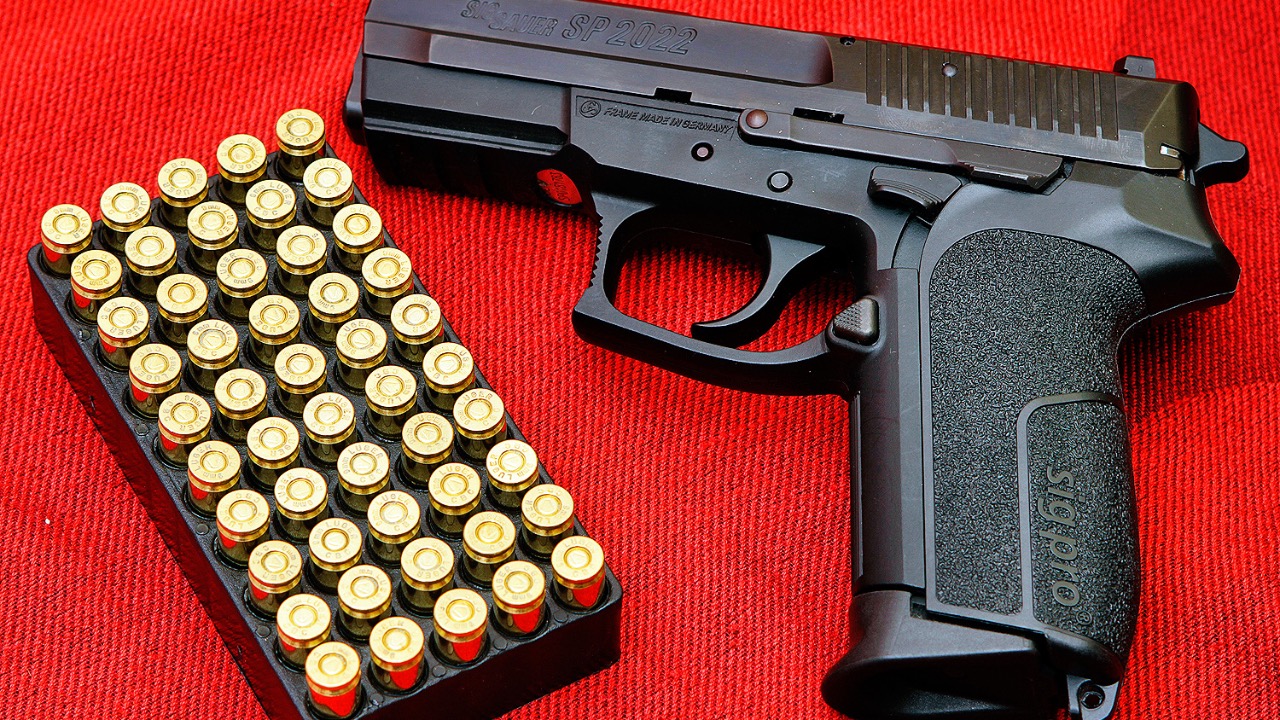
Firearms bought online, whether through big retailers or auction sites, still run through the National Instant Criminal Background Check System. The National Instant Criminal was created by the Brady Handgun Violence Prevention Act of 1993, often called the Brady Act, to screen buyers for felony convictions, domestic violence misdemeanors, or other disqualifying records. Even if you pay online, the gun has to ship to a licensed dealer who runs that NICS check before transfer.
Advocates describe the Brady Background Check System as the backbone of modern gun policy, and groups that focus on gun violence prevention emphasize how the Brady Act built the legal framework for NICS. Medical organizations pushing for safer gun policy argue that a stronger background-check process would close gaps that still let prohibited buyers slip through. State guides on gun laws note that many people barred for domestic violence or mental health adjudications are caught only when NICS is actually used.
2. Pseudoephedrine Cold Medications
Pseudoephedrine-based cold medicines, like classic Sudafed tablets, are tightly watched because they are a key ingredient in methamphetamine production. The Combat Methamphetamine Epidemic Act of 2005 caps online and in-store purchases at 3.6 grams per day and requires sellers to log each sale for law enforcement review. When you check out, your ID and quantity can be recorded so diversion investigators can spot patterns that look like small-scale meth labs stocking up.
Federal drug schedules highlight pseudoephedrine’s role as a controlled precursor, and agencies that track these chemicals treat even legitimate cold-medicine orders as data points in a larger diversion picture. For ordinary buyers, the main impact is quantity limits and ID checks, but for people trying to skirt the rules with repeated online orders, those logs can quickly flag suspicious activity and trigger deeper background scrutiny.
3. Ammonium Nitrate Fertilizer
Ammonium nitrate fertilizer is a staple in agriculture, yet it has a long history in improvised explosives, which is why large online orders draw attention. After the 2013 West Fertilizer Company explosion in Texas killed 15 people and injured about 160, federal regulators tightened oversight. The Department of Homeland Security’s security program for ammonium nitrate lays out registration, recordkeeping, and screening rules for sellers and buyers.
Those rules mean that bulk purchases, especially when shipped to nonfarm addresses, can trigger identity verification and cross-checks against terrorism and criminal databases. The National Transportation Safety Board’s report on the West Fertilizer Company disaster underscored how poorly tracked stockpiles can magnify the damage when something goes wrong. Today, anyone ordering significant quantities online should expect extra questions and possible reporting to DHS.
4. Surveillance Drones
Surveillance-capable drones, including many camera-equipped models from brands like DJI, sit in a regulatory gray zone as “dual-use” technology. When these drones are exported or sold to certain foreign buyers, they can fall under the International Traffic in Arms Regulations, better known as ITAR, and related export rules enforced by the Bureau of Industry and Security. Retailers that ship abroad often run automated checks to see whether a given order needs an export license.
Because high-resolution imaging, long-range control links, and autonomous flight modes can support military-style reconnaissance, regulators treat some drone platforms like controlled defense articles. The encryption and telemetry systems inside these aircraft are part of what triggers scrutiny. For buyers, that can mean extra paperwork, denied shipments to restricted destinations, or background vetting tied to sanctions and arms-control lists.
5. Acetone and Precursor Chemicals
Acetone looks harmless, sold as nail-polish remover and industrial solvent, but in bulk it is a classic precursor for both explosives and illegal drugs. Under the Chemical Diversion and Trafficking Act of 1988, the Drug Enforcement Administration tracks listed chemicals and monitors suspicious orders. Guidance on chemical diversion spells out how distributors must report unusual patterns, such as repeated large acetone shipments to small, unknown buyers.
When you place a sizable online order for acetone, toluene, or other flagged solvents, the seller may verify your business, request end-use statements, or file a report with diversion investigators. Those reports can trigger background checks on company officers or individuals tied to the purchase. Legitimate labs and workshops usually clear that scrutiny quickly, but the system is designed to surface shell companies and straw buyers feeding clandestine labs.
6. Black Powder Fireworks Supplies
Black powder is the workhorse propellant behind many fireworks, muzzleloaders, and hobby rocketry projects, yet federal law treats it as a low explosive. Once an online order crosses 50 pounds, buyers move into a different regulatory lane. Under 18 U.S.C. Chapter 40, that quantity can require an explosives license and an ATF Form 5400.4 background check before the shipment is released.
That form pulls in criminal history, immigration status, and other disqualifiers similar to firearm checks, but tailored to explosives risks. Sellers that ignore those thresholds can face serious penalties, so reputable online fireworks suppliers tend to be strict. For the average reloader or backyard pyrotechnics fan, staying under the 50-pound mark keeps things simpler, yet even smaller orders may be logged to show a pattern if problems arise later.
7. Night-Vision Goggles
Night-vision goggles and weapon sights are tightly controlled because they give users a huge edge in low-light operations. Many of the higher-grade devices are treated as defense articles, and exporting them outside the United States of America is restricted under ITAR. Retailers that specialize in these optics warn buyers that ITAR Compliance bars shipment to foreign addresses without State Department authorization.
When you order night-vision gear online, the seller may screen your shipping address, citizenship, and even your intended use to avoid an illegal export. The Department of State can require registration and licensing for companies that manufacture or broker these devices. That framework means a seemingly casual purchase for hog hunting or nighttime scouting can still brush up against the same export-control system that governs military hardware.
8. Body Armor Vests
Body armor vests, including Kevlar panels and plate carriers, used to be a niche law-enforcement item, but civilian sales surged in the 1990s. That growth, combined with high-profile crimes involving armored suspects, pushed regulators to look harder at who was buying. Under scrutiny tied to the Violent Crime Control and Law Enforcement Act of 1994, some online sellers now require end-user certificates or affidavits that the buyer is not a convicted felon.
Guidance on body armor notes that certain categories of offenders can face extra penalties for possessing protective vests during a crime. Exported armor can also fall under defense-trade controls, especially when it meets military ballistic standards. For legitimate buyers, the process usually means extra forms and ID checks, but for prohibited persons, those same checks can trigger referrals to law enforcement.
9. Radio Frequency Jammers
Radio frequency jammers, which can block cell phones, GPS, or Wi-Fi, are largely illegal to market or sell in the United States because they interfere with licensed communications. Section 302(b) of the Communications Act of 1934 and later amendments give regulators authority to seize these devices and penalize importers. The Federal Communications Commission warns that buying signal jammers online can lead to confiscation and fines.
Homeland security officials also worry about jammers being used to disrupt emergency response or shield criminal activity, so shipments can draw attention from the Department of Homeland Security. Customs inspections, carrier scans, and marketplace filters all feed into that enforcement picture. When a package is flagged, investigators may look at the buyer’s history and associations, effectively turning a gadget purchase into a background review.
10. Biological Agents for Labs
Certain biological agents and toxins, including dangerous pathogens like anthrax spores, are so sensitive that even research labs must clear extensive vetting before buying them. The CDC and USDA run the Select Agent Program, which requires facilities to register and submit personnel for security risk assessments. Ordering select agents online is not like buying a culture kit; it triggers identity checks, facility inspections, and ongoing monitoring.
Those background checks look for ties to terrorism, serious criminal records, and other red flags that would make someone a poor candidate to handle high-consequence pathogens. The Public Health Security and Bioterrorism Preparedness and Response Act of 2002 underpins that system, reflecting fears that lab materials could be diverted into bioweapons. For legitimate researchers, the process is burdensome but necessary to keep dangerous organisms from slipping into the wrong hands.
11. Encrypted Communication Devices
Encrypted communication devices, such as secure phones with strong end-to-end encryption, sit squarely in export-control territory. The Wassenaar Arrangement on Export Controls for Conventional Arms and Dual-Use Goods and Technologies, adopted in 1996, treats certain encryption items as controlled dual-use products. The Bureau of Industry and Security maintains detailed rules for encryption items, including license requirements for exports to specific countries.
When you order a hardened handset or encrypted router from a U.S. seller, the transaction may be screened against those rules, especially if it ships overseas or to a corporate buyer. That screening can involve automated checks against denied-party lists and, in some cases, deeper reviews of the end user. The goal is to prevent advanced secure communications gear from quietly flowing to sanctioned regimes or criminal networks.
12. 3D Printer Filament in Bulk
On its face, PLA filament for 3D printers seems about as harmless as it gets, but bulk orders tied to weapons prototyping have drawn new attention. After the 2013 Defense Distributed Liberator pistol case, the State Department argued that sharing printable gun files could fall under ITAR controls. Guidance on 3D printing and firearms notes that additive manufacturing of undetectable weapons is a growing concern.
While buying filament alone does not require a license, large, repeated online orders to small workshops that also traffic in gun parts can raise flags. Investigators may correlate those purchases with downloads of weapon blueprints or other signals of illicit manufacturing. In that context, what looks like a hobbyist stocking up for cosplay props can, under the wrong circumstances, trigger a closer look from export-control and firearms regulators.

Asher was raised in the woods and on the water, and it shows. He’s logged more hours behind a rifle and under a heavy pack than most men twice his age.