Electrical shortcuts inspectors warn against every winter
Every winter, home electrical systems are pushed to their limits as heaters, holiday lights, and backup gear all compete for the same circuits. Inspectors see the same risky shortcuts repeat in cold weather, and they know how quickly a “temporary fix” can turn into a fire, a shock, or a blackout. I want to walk through the habits they flag most often, and the safer alternatives that keep the lights on without gambling with your wiring.
From overloaded outlets to improvised generator hookups, the pattern is consistent: people underestimate how much power their devices draw and overestimate what their panels, cords, and strips can handle. The good news is that most of these hazards are avoidable with a basic understanding of how winter loads behave, a few targeted checks, and a willingness to call a licensed professional before a warm house becomes a dangerous one.
Why winter stress exposes hidden electrical weaknesses
Cold weather changes how a house uses electricity, and inspectors know that is when marginal systems finally fail. Space heaters, electric fireplaces, portable dehumidifiers, and extra cooking appliances all come online at once, stacking on top of the baseline load from refrigerators, routers, and lighting. One winter safety checklist explains that Why Winter Increases is simple physics: Cold air drives heaters to run longer, motors work harder, and older wiring that coped in mild seasons suddenly runs hot.
That extra demand exposes every weak point that has been quietly building for years. A guide that lays out Winter Electrical Safety notes that even outdoor infrastructure is stressed, as ice and snow weigh on lines and tree branches, while homeowners plug in more gear inside. When I look at those patterns, I see winter not as a one-off emergency but as an annual stress test that reveals whether a home’s circuits, panel, and protective devices are sized and maintained for the way people actually live in the coldest months.
The overloaded outlet problem inspectors keep writing up
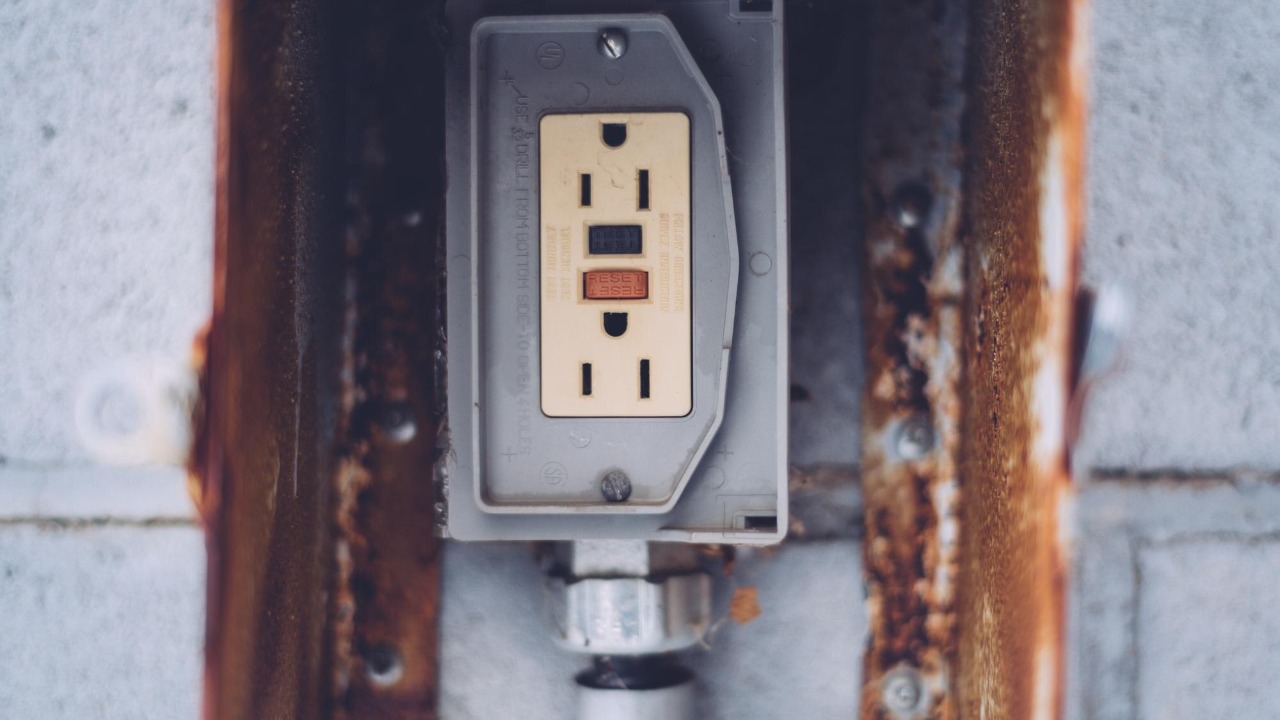
If there is one shortcut inspectors say they can spot from the doorway, it is the overloaded outlet. Power strips buried behind entertainment centers, cube taps stacked on a single receptacle, and daisy-chained extension cords are all red flags. One winter hazard overview bluntly labels Overloaded Outlets and Power Strips as a core winter risk, because Winter means plugging in more holiday lights, heaters, cooking appliances, humidifiers, and entertainment gear than the original circuits were ever designed to serve.
Fire investigators repeatedly trace scorch marks on walls back to this exact pattern of overuse. Another advisory on seasonal fire risk stresses that avoiding disaster starts with a simple rule: do not overload outlets or power strips, indoors or out, and Never treat a cheap multi-tap as a permanent solution. When I talk to inspectors, they describe overloaded receptacles as a symptom of a deeper issue: the home’s circuits are not laid out for modern winter usage, and instead of adding dedicated lines, people keep stacking more plugs into the same aging outlet.
Space heaters, extension cords and the shortcut that starts fires
Space heaters are the winter workhorse that inspectors respect and fear in equal measure. Used correctly, they can safely supplement central heat in a drafty room. Used the way many people actually do, they become ignition sources. A detailed set of Electrical Connection Winter from IBEW and NECA spells out the rule that professionals repeat every season: Never use an extension cord with a space heater. Those same tips emphasize that Space Heaters should be plugged directly into a wall outlet, with no Ele or other high draw devices sharing that receptacle.
Fire safety guidance aimed at homeowners reinforces the point, warning that portable heaters should not be plugged into power strips or extension cords at all, and again using the word Never when describing that shortcut. The reason is straightforward: most household extension cords are not rated for the continuous 1,500 watt draw of a typical heater, and the weakest point in that chain, often a cheap plug or strip, overheats first. When I see a heater on a cord snaked under a rug, I do not see convenience, I see a failure point that inspectors and electricians have been trying to get out of homes for years.
Panels under pressure: what inspectors look for first
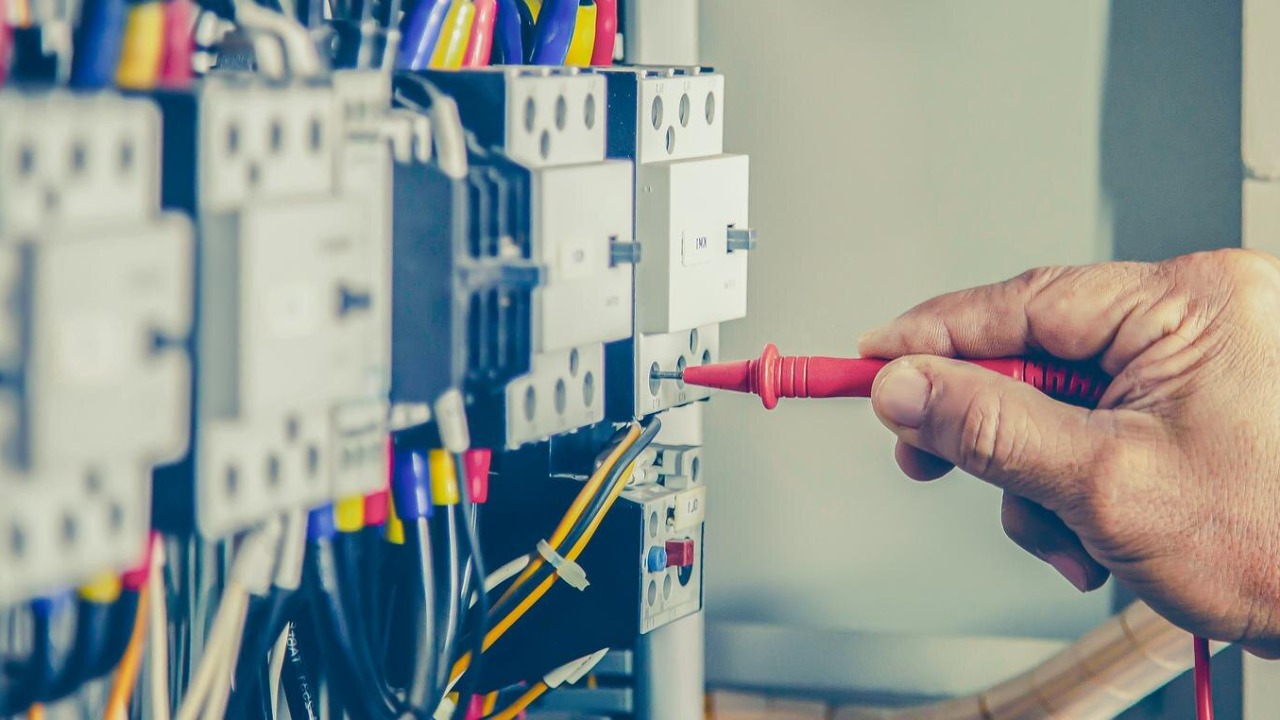
Behind every overloaded outlet is a service panel that may already be at its limit. Inspectors routinely start their winter checks at the main breaker box, because that is where chronic problems leave visible clues. A structured Electrical Panel and advises homeowners to Check for corrosion, discoloration, or burning around breakers and bus bars, and to Ensure the panel cover is intact and properly labeled so circuits can be shut off quickly in an emergency.
Another winter panel checklist aimed at homeowners echoes that approach, urging people to open the door and look for rust, loose breakers, or signs of moisture in basements or crawl spaces where panels are often installed. That panel checklist also pushes owners to verify that the main breaker rating matches the home’s actual load, especially after adding high draw devices like hot tubs or EV chargers. When I read those recommendations alongside a social media advisory that warns Winter puts extra strain on your home’s electrical system and that Space heaters and added appliances can create unsafe conditions at the panel, I see a consistent message: the box on the wall is not just a switchboard, it is the first place inspectors look for early warning signs of trouble.
Warning signs of overload that should never be ignored
By the time a breaker trips repeatedly on a cold night, the system has already been telling a story for weeks. Inspectors talk about “nuisance” trips, flickering lights, and warm switch plates as the language of an overloaded circuit. A winter safety checklist framed around household behavior notes that Some warning signs be brushed off, including buzzing from the panel, burning odors near outlets, or discolored receptacle covers. Those are not quirks, they are evidence that conductors or terminations are running hotter than they should.
Inspectors also point to more subtle clues. A Facebook advisory on Winter overloads explains that your electrical panel in your home is the heart of the system, and that if breakers feel hot to the touch or labels are missing, it is time to call for help. That same post warns that Space heaters and older panels are a particularly risky combination. When I see those patterns, I think of them as the electrical equivalent of chest pain: you might get away with ignoring them once, but inspectors have seen too many houses where the next symptom was a fire.
Outdoor shortcuts: cords in the snow and trees in the lines
Inside the house, inspectors worry about overloaded outlets. Outside, they worry about water, ice, and trees. One comprehensive guide to Winter Electrical Safety highlights a simple but often neglected step: Be Sure Outside Power Lines Are Clear of Trees. Winter storms can bring heavy snow and ice that pull branches into service drops, and when homeowners then run extra cords for lights or tools, the margin for error shrinks. I have seen inspectors write up yards where a sagging line and a frayed extension cord were one gust of wind away from a live wire on the ground.
Another winter resource aimed at homeowners warns that outdoor-rated cords must be used for any exterior decorations or equipment, and that connections should be kept off the ground and away from standing water. A separate overview of winter hazards stresses that GFCI protection is non negotiable in damp locations, because those devices can prevent fatal shocks if a cord or fixture fails. When inspectors see cords buried in snowbanks or run through cracked windows to feed space heaters in garages, they see a shortcut that ignores both of those basic protections.
Generator gambles and the myth of the “quick” backfeed
As outages become more common in severe storms, inspectors are encountering a new class of winter shortcut: improvised generator hookups. The pattern is familiar. A homeowner buys a portable generator, plugs it into a dryer outlet with a homemade cord, and “backfeeds” the panel without a transfer switch. An advisory aimed at storm prone regions reminds people that Safety first means Installation is not just plugging in wires, and that a Licensed electrician should assess power needs and proper sizing before any generator is tied into a home system.
That same guidance, shared again in a separate post that repeats the message that Installation must be handled by a Licensed professional, underscores why inspectors are so firm on this point. A backfed panel can energize utility lines that crews believe are dead, putting workers at risk, and it can also overload circuits inside the house because there is no automatic way to shed non essential loads. When I hear people talk about a “quick” generator hookup, I hear a plan that skips the very safeguards inspectors are trained to verify.
Holiday lighting, décor and the quiet creep of extra load
Holiday displays rarely look like a serious electrical hazard at first glance, which is exactly why inspectors worry about them. A single string of LED lights is modest, but by the time a homeowner has layered multiple strands, inflatable yard decorations, and window candles onto the same circuit that already feeds a living room, the load can rival a small appliance. A winter hazards guide points out that Winter means plugging in more of everything, and that decorations are part of the same equation that produces Overloaded Outlets and stressed Power Strips.
Another seasonal guide to Winter safety urges homeowners to check that all décor is rated for either indoor or outdoor use as appropriate, and to avoid running cords through doorways or under carpets where they can be pinched. When I walk through homes with inspectors in December, they are not trying to kill the festive mood, they are quietly counting how many extra watts have been added to each branch circuit and whether the protective devices in the panel are still sized for that reality.
The inspector’s winter checklist: what to fix before the next cold snap
By the time inspectors arrive, they are usually documenting problems that have been building for years. The smarter move is to borrow their winter checklist before anything goes wrong. One homeowner focused guide lays out a clear sequence: start with the panel, then outlets, then high draw devices. It recommends a winter electrical panel that includes tightening breaker connections, checking labeling, and verifying that no circuits are double tapped unless the breaker is designed for it. From there, it suggests walking room by room to unplug unused devices and redistribute portable heaters so no single outlet or strip is carrying more than its share.
Another resource framed as Here to help homeowners stay safe in Cold weather explains that Why Winter Increases Electrical Risks is not just about temperature, it is about behavior. It encourages people to schedule a professional inspection if they notice any of the warning signs that should never be ignored, and to treat advice from groups like IBEW and NECA as a baseline, including their repeated instruction to Never pair Space Heaters with extension cords. When I put all of those pieces together, the pattern is clear: winter electrical safety is less about memorizing obscure code rules and more about resisting the urge to improvise when the house is cold and the circuits are already working at full capacity.

Leo’s been tracking game and tuning gear since he could stand upright. He’s sharp, driven, and knows how to keep things running when conditions turn.