How many men store a handgun in their vehicle is now drawing felony charges
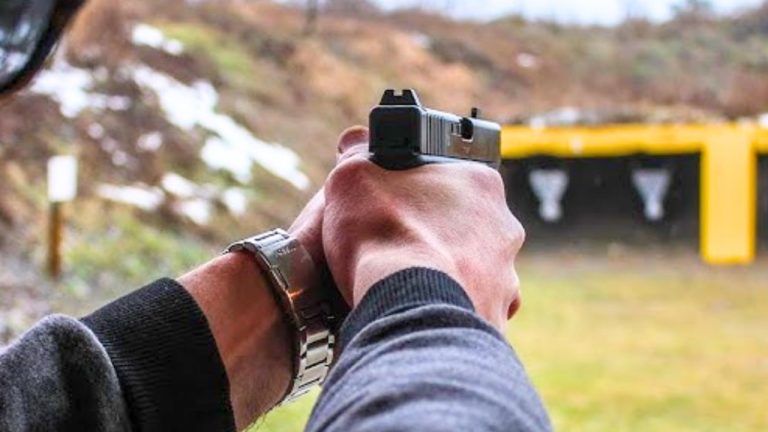
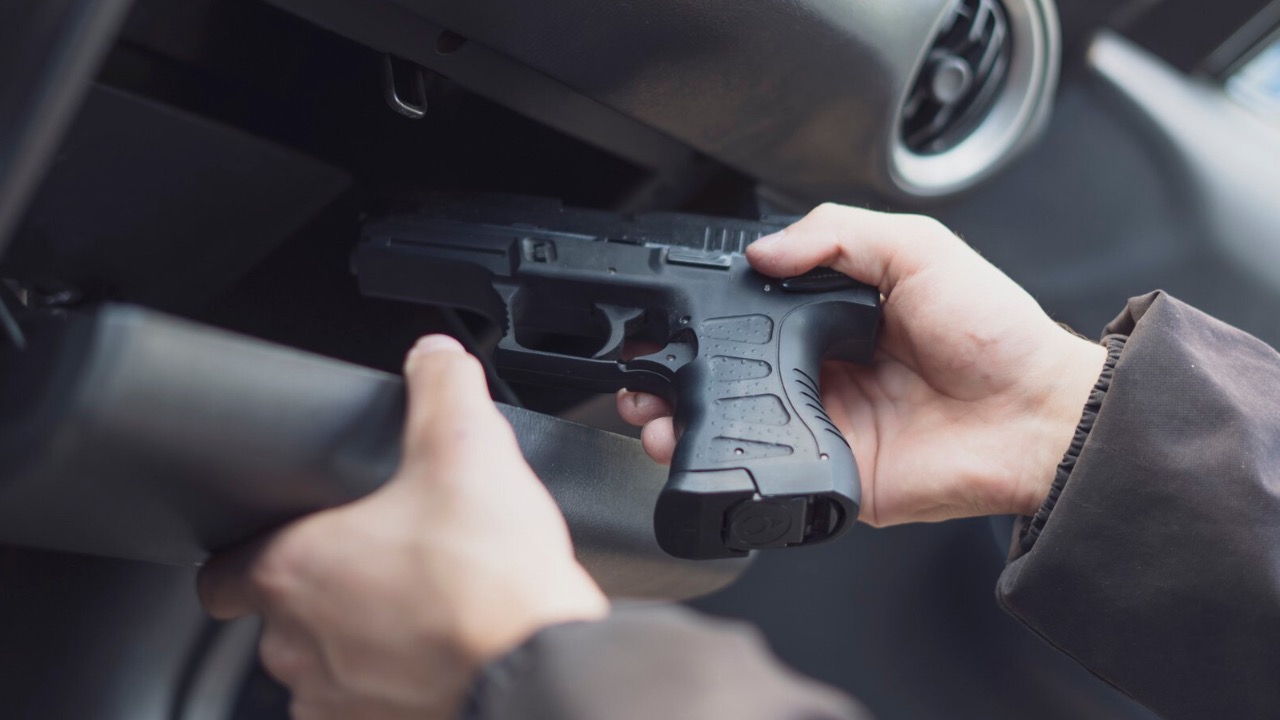
Leaving a handgun in the truck used to feel like a practical compromise for a lot of men who carry: keep it close, keep it handy, and avoid the hassle of holstering up for every quick stop. That habit is now colliding with a wave of new storage rules that treat a loose pistol in a vehicle not as a minor oversight, but as a criminal offense that can rise to a felony if something goes wrong. Lawmakers and prosecutors are increasingly framing unsecured guns in cars as a public safety threat, not a private choice, and they are writing penalties to match.
I see the same pattern playing out across the country: more guns riding in center consoles and glove boxes, more of those guns being stolen, and more states responding with detailed statutes that spell out how a firearm must be stored in a Vehicle. The result is a legal landscape where the way many men have carried for years is now out of step with the law, and where a single bad decision in a parking lot can follow you for the rest of your life.
How common vehicle gun storage really is
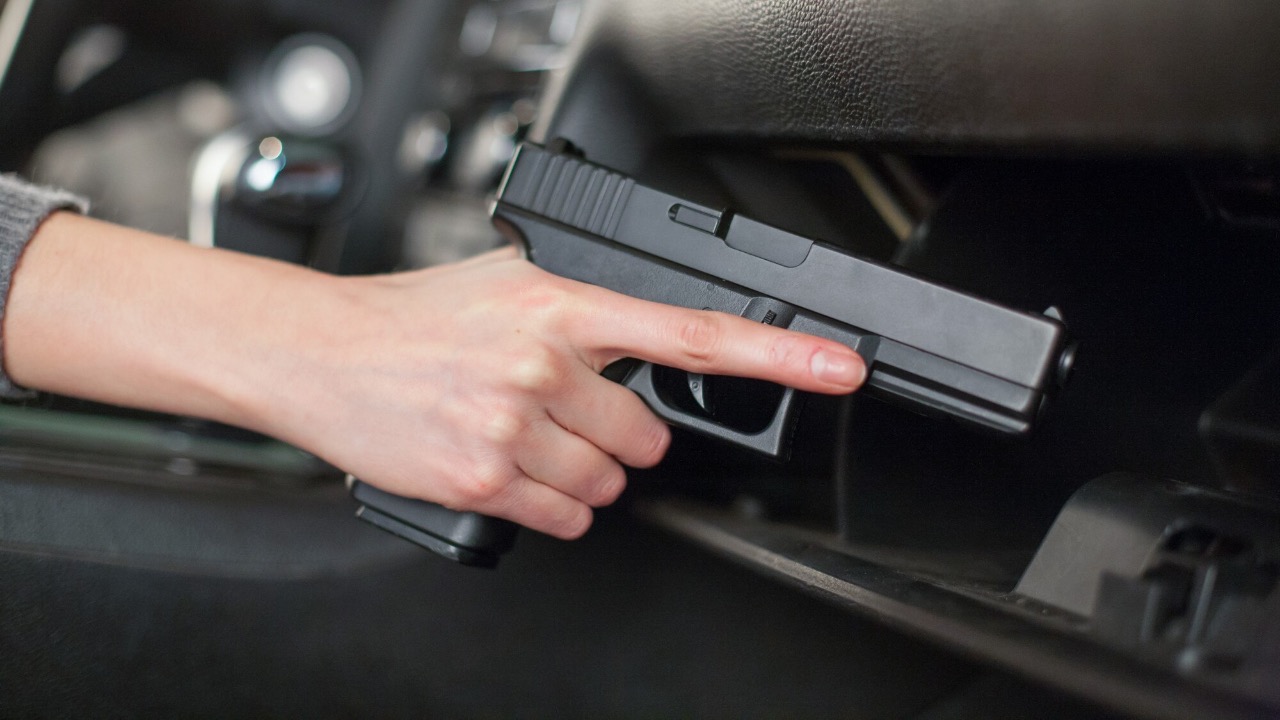
Before anyone argues about whether these new rules are overreach, it helps to understand how many people are actually leaving guns in their cars. A national survey of gun owners found that about 73% of respondents who carried firearms reported some form of vehicle storage, a figure that should make every hunter, concealed carrier, and lawmaker sit up straight. Those numbers came out of a detailed analysis that researchers ran in Stata 18, with the Results laid out in Table 1, and they confirm what most of us already see in parking lots at trailheads, job sites, and gas stations: the truck or SUV has become a rolling gun cabinet.
In my experience, that habit cuts across backgrounds. Contractors leave a compact 9 mm in the door pocket of a 2015 F-150, sales reps stash a .380 in the console of a Toyota Camry, and plenty of us toss a revolver under the seat of a hunting rig after a long day in the woods. The survey work backs up that this is not a fringe behavior, it is mainstream gun culture. The problem is that the law is starting to treat that mainstream behavior as inherently risky, especially when the firearm is left unattended in public places where a quick smash of a window can turn your personal protection into someone else’s crime gun.
Parked cars as a pipeline for stolen guns
Lawmakers are not acting in a vacuum. Stolen guns from parked vehicles have become a major source of crime guns, and the numbers are ugly. By 2022, 40% of all reported gun thefts involved a Vehicle, up sharply from just a few years earlier. Most of those thefts did not happen in dark alleys, they happened at residences, in driveways and curbside parking spots where a thief could walk a neighborhood, check door handles, and score a pistol in seconds.
When I talk to cops and game wardens, they describe the same pattern: a rash of break-ins in a subdivision, a handful of stolen handguns, and then those guns start showing up in robberies or traffic stops across town. The original owner may have been fully legal, but once that firearm leaves the truck, it is out of his control and squarely in the justice system’s sights. That steady flow of stolen pistols is the backdrop for the new storage laws. Legislatures are looking at the data on Vehicle thefts and deciding that “I left it in the console” is no longer an acceptable explanation when a stolen gun turns up at a crime scene.
Georgia’s push to spell out car storage rules
Some states are tackling the problem head on by rewriting their carry and transport statutes to address vehicles specifically. In Georgia, House Bill 207 is a good example of how detailed these rules are getting. The measure modifies Georgia’s existing firearms laws to provide clearer guidelines for storing and transporting guns in motor vehicles, including how they must be secured in sensitive areas like school zones and other restricted locations. The bill’s language is aimed at closing the gap between lawful carry and careless storage, especially when a driver leaves a handgun in a parked car near places where children and large crowds gather.
What jumps out at me in Georgia’s approach is the way it pairs those storage rules with real teeth. Under the same bill, certain violations tied to improper storage or transport can carry prison terms between two and five years, turning what many gun owners still think of as a minor infraction into a potential felony-level problem. If you are used to tossing a pistol in the glove box while you run into a school office or stadium, that kind of statute means you are now flirting with a serious charge every time you park. The message from Georgia lawmakers is clear: if you are going to keep a gun in your vehicle, you are expected to think like a responsible custodian, not a casual passenger.
Illinois and the rise of “safe storage” as a legal duty
Other states are going even further and treating secure storage as a standing obligation, whether the gun is in a house or a car. In Illinois, a new wave of public safety laws is tightening expectations on how firearms are stored when children are present, and those expectations do not stop at the front door. Reporting on the changes notes that Gun owners in Illinois must take new steps in 2026 to secure their firearms in their homes, particularly when minors could access them, and that same mindset is bleeding into how prosecutors look at guns left in vehicles parked at home.
On the legislative side, Illinois has also floated broader rules that would standardize safe storage expectations. One proposal, labeled SB0008, explicitly Creates the Safe and Provides that a firearm owner shall not store or keep any firearm in any premises where the firearm is not secured in a locked container or disabled with a tamper-resistant lock. While the bill’s core language focuses on premises, not vehicles, it signals a broader shift: the law is starting to treat unsecured guns as a civil and potentially criminal wrong in itself, regardless of whether a child is hurt or a theft occurs. For a guy who has always treated his truck as an extension of his home, that is a big cultural adjustment.
West Coast rules: locked boxes and unloaded pistols
On the West Coast, lawmakers are writing vehicle storage rules with almost military precision. In Washington, House Bill 1152 lays out exactly how a pistol must be stored in a car. For vehicles, the bill mandates that pistols must be unloaded, stored in an opaque, locked, hard-sided container that is concealed from view, and that owners must take specific steps to prepare for the new requirements before they take effect. That is a far cry from the old habit of tossing a loaded compact into the center console of a Subaru Outback or a Tacoma and calling it good.
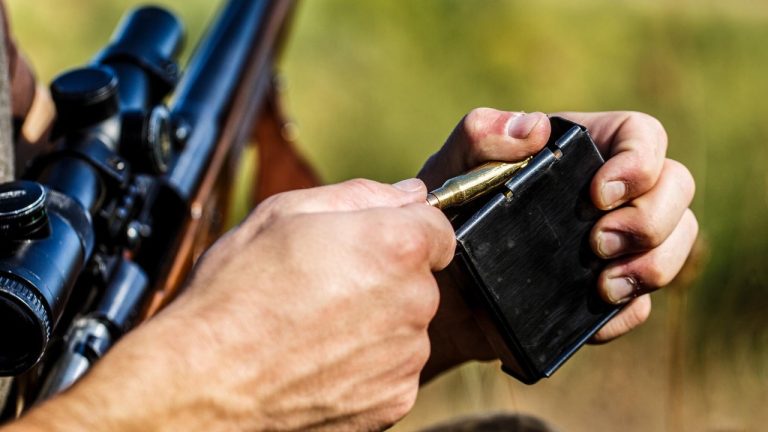
From where I sit, Washington’s approach is a preview of where a lot of coastal states are headed. The law does not leave much room for interpretation: if your handgun is not unloaded, locked, and hidden in a hard-sided case, you are out of compliance. That kind of statute effectively outlaws the casual “truck gun” that rides loaded in a door pocket all day. It also raises practical questions for hunters and anglers who cross state lines. A guy driving from Idaho into Washington with a rifle in the back seat and a sidearm in the console now has to think through exactly how those guns are stored the moment he crosses the border, or he risks turning a routine fishing trip into a legal mess tied to vehicle storage rules.
California’s “criminal storage” model and new 2026 rules
California has been out front on this issue for years, and its framework shows how a simple storage mistake can escalate into a felony. Under state law, Penal Code § 25100 PC, commonly referred to as the Criminal Storage of a Firearm law, is a Cal statute that kicks in when a gun owner stores a firearm in a way that allows a child or prohibited person to access it and someone is hurt or killed. The law does not care whether that gun was in a bedroom closet or under the seat of a parked sedan. If the storage was negligent and the outcome was tragic, the owner can face serious charges that go well beyond a ticket.
Looking ahead, California is also tightening its technical rules for how guns must be secured, including in vehicles. A recent discussion of new storage requirements for 2026, shared in a Jan update that mentioned plans to meet up at Shot Show in Vegas and a collaboration with a creator called Gunsli, highlighted how the state is layering fresh mandates on top of existing law. The message to gun owners is that the days of vague “reasonable” storage are over. If you want to keep a pistol in your car in California, you are expected to know the Criminal Storage of a Firearm framework, follow the new 2026 standards, and treat that vehicle like a regulated space, not a gray area. The casual glove box carry that felt normal twenty years ago now lives in the shadow of Jan rule changes and a Penal Code that is ready to punish bad outcomes.
Federal travel protections are not a free pass
Some gun owners assume that as long as they are “traveling,” federal law will cover them, but that belief is only half right and can be dangerous. The key federal protection for interstate transport requires that the firearm be unloaded and locked away, and that it not be readily accessible from the passenger compartment. Guidance built around that law notes that the U.S. Code states that if your vehicle does not have a separate compartment, the firearm or ammo must be contained in a locked container that is completely separate from your ammo. In other words, a loaded pistol in the console of a crossover with no trunk is not protected, no matter how long your road trip is.
When I drive across multiple states for a hunt, I treat that federal standard as the bare minimum, not a shield against local enforcement. Advice aimed at travelers emphasizes that Crossing State Lines with a Gun in Your Car In most cases is legal only if the guns are unloaded, locked up, and inaccessible to anyone else in your vehicle, and even then, local rules can add extra requirements. That means a man who is legal in his home state could still be in violation the moment he stops for gas in a stricter jurisdiction with a handgun tucked under the seat. The smart move is to assume that your home-state habits do not travel well and to set up your storage so it would satisfy both the federal Code standard and the most conservative state law you are likely to encounter.
Virginia and the new wave of storage deadlines
States in the middle of the country are not sitting still either. In Virginia, lawmakers have introduced a bill that would set statewide expectations for how firearms are stored, with a clear focus on preventing unauthorized access. The summary of that measure explains that it introduces new regulations for firearm storage in Virginia, focusing on preventing children and other prohibited persons from getting their hands on guns and setting a firm deadline for compliance. The bill requires that gun owners meet these storage standards for their firearms by January 1, 2026, which gives people a window to upgrade safes, lockboxes, and in-vehicle storage before penalties kick in.

Asher was raised in the woods and on the water, and it shows. He’s logged more hours behind a rifle and under a heavy pack than most men twice his age.