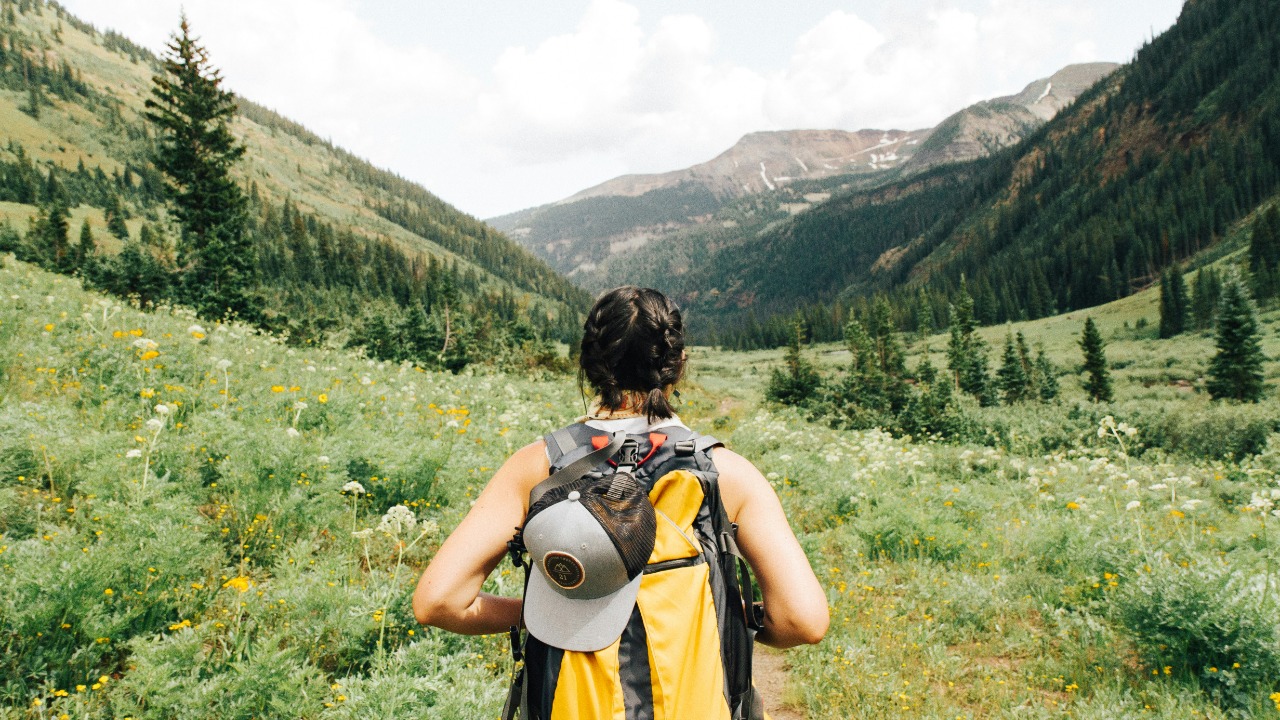
Why Some Outdoor Traditions Are Being Reconsidered
Across the United States, rituals that once defined life outside the front door are under new scrutiny. From manicured lawns and deer camps to national park road trips and social media hikes, long‑standing habits are colliding with climate realities, equity concerns, and a surge of new users. I see a pattern emerging: traditions that once symbolized freedom and belonging are being weighed against the costs they impose on land, water, wildlife, and people who were never invited into the story.
That reassessment is not about rejecting the outdoors, but about deciding which customs still fit an era of record outdoor participation, rising temperatures, and overdue conversations about race and history. The debate now is less about whether people should be outside and more about how, where, and on whose terms they show up.
From Manicured Lawns to Climate‑Smart Yards
The classic green front yard is one of the most visible outdoor traditions now under pressure. The ideal of a uniform turf carpet, watered and fertilized into submission, grew alongside suburban expansion and was promoted as a marker of status and civic pride. Research on the Lawn describes how this landscape form spread across the United States and the world as a default for beautification, even in places where it never fit the local ecology. That history is colliding with the reality that thirsty, chemical‑dependent grass in arid or warming regions can strain water supplies and degrade soil and waterways.
Homeowners are starting to question whether the aesthetic payoff is worth the environmental bill. On television and social platforms, people are openly reconsidering having a lawn to save the planet, noting that non‑native turf can be expensive to maintain and poorly suited to hotter summers. Some are replacing grass with native plants and pollinator gardens that are local to their region to beautify their yards, a shift highlighted in coverage that begins, fittingly, with the word While. Landscape designers are reinforcing the trend, describing a broader cultural move toward responsible consumption and a renewed appreciation for nature’s imperfections, with new projects using reclaimed materials and native plantings to add character and history to outdoor spaces, as recent landscaping analysis notes.
Deer Camps, Guns, and Changing Wildlife Ethics
Hunting is another arena where inherited customs are being re‑evaluated in light of new science and social expectations. In many regions, deer camps and opening‑day rituals are woven into family identity, and for generations regulations were written around those traditions. As wildlife agencies rewrite rules to respond to disease, habitat loss, and shifting deer populations, some long‑standing practices are being questioned. One analysis framed it bluntly, arguing that Some deer hunting traditions should be reconsidered as regulations are re‑written, and that conversation is now playing out in state commissions and local clubs.
Those debates are not only about bag limits or season dates, but about what ethical hunting looks like in an era of trail cameras, high‑powered optics, and shrinking public land. Conservationists are asking whether certain methods or cultural norms still align with fair chase principles and ecosystem health. At the same time, critics of hunting culture point to a broader list of American customs that may harm the environment, endanger lives, or waste precious resources, a critique captured in a feature on Some American traditions that have overstayed their welcome. For hunters who see themselves as conservationists, the challenge is to adapt rituals so they support, rather than undermine, long‑term wildlife stewardship.
Who Gets to Belong Outside?
Even as more people head outdoors, the culture around many activities still reflects a narrow idea of who belongs. A detailed look at the Nature Gap explains why outdoor spaces lack diversity and inclusion, tracing a history rooted in discrimination that limited access for Black, Latino, and Indigenous communities. That legacy shows up today in everything from who feels safe on a trail to which neighborhoods have tree‑lined parks. Participation data backs up the shift in demand: according to OIA, outdoor participation in the United States grew by 3 percent in 2024 to a record‑breaking number of participants, yet that growth has not erased longstanding inequities.
Advocates are pushing to reconstruct how we talk about the outdoors so it is not coded as a playground for a privileged few. In Part Two of a recent series, one hiker argues that to change the future, we must confront the past and present, identifying four main barriers that keep people out and noting that exclusionary narratives are alive and well today. Another essay on running for change defines inclusion as acknowledging and addressing systemic inequalities that have prevented some communities from having safe and equal access to outdoor spaces, and calls for trails and parks that celebrate and welcome diversity rather than simply tolerating it.
Racism, Safety, and the National Parks Myth
National parks and public lands are often framed as America’s great equalizer, but the lived experience for people of color tells a different story. Reporting on outdoor recreation has highlighted how Black visitors in particular face barriers that go beyond distance or cost. In one account, a scholar identified as Lee argued that common explanations for low visitation do not paint the whole picture and that an important question is why Black people might not feel safe or welcome in these spaces. That perspective is sharpened by the memory of high‑profile killings of Black joggers and birders, which turned ordinary outdoor activities into scenes of racial terror.
Safety concerns intersect with a broader critique of how public lands tell history. A detailed analysis of naming practices on federal sites notes that Name changes that erase Indigenous and multicultural stories advance a narrative that America is a place that should not feel a sense of national shame. When the official map sidelines the histories of Black, Latino, and Indigenous communities, it sends a message about who the outdoors is for. That is why some advocates argue that rethinking outdoor traditions must include renaming trails, monuments, and campgrounds so they reflect the full, often painful, history of the land.
Public Lands at the Center of a Policy Whiplash
Policy fights over public lands are turning abstract debates about tradition into concrete changes on the ground. In one recent controversy, critics accused federal officials of tipping management priorities back toward extraction at the expense of recreation and conservation. A detailed blog on how The BLM Wants to manage for recreation and sustainability describes a push to prioritize conservation over all other uses, and the backlash that followed when those plans were threatened with rescission.
The political stakes were captured in a separate report quoting one critic who said Public lands management is a balancing act and accused officials of tipping the scales back to the 19th century, when robber barons ran the country. Another piece on the same policy shift quoted Commission chair Commission chair Lesley Robinson acknowledging that new regulations could lead to a short‑term economic squeeze, even as she defended changes that would protect habitat for species like elk. These clashes show how deeply outdoor traditions, from off‑roading to drilling, are embedded in regional economies and identities, and why any attempt to rebalance priorities toward conservation sparks fierce resistance.
Wilderness, Bears Ears, and Indigenous Sovereignty
Many of the outdoor rituals now being reconsidered rest on an older myth: that wilderness was an empty canvas waiting for American recreation. Scholars have pushed back on that story, noting that Indigenous peoples managed and inhabited these landscapes long before the Wilderness Act of 1964. One essay argues that our task now is to create a stewardship model that honors the founding parameters of that law, but then to learn from Indigenous knowledge by conducting our own research into how these lands were cared for over centuries. That reframing challenges outdoor enthusiasts to see themselves not as pioneers, but as late arrivals with obligations to existing communities.
The fight over Bears Ears National Monument in Utah made those tensions visible. A feature on cultural appropriation in the outdoor industry describes how Photo courtesy of Wings of America showed Navajo runners moving through the landscape, while Eric Descheenie, a Navajo co‑chair of the Bears Ears Coalition, explained why outdoor brands using Indigenous imagery without consent amounts to exploitation. The piece recounts how the Bears Ears Coalition, which included Navajo leaders, had to school the outdoor industry on cultural appropriation, insisting that any recreation or marketing on those lands respect tribal sovereignty and sacred sites. That push is part of a broader movement to retire outdoor traditions that treat Indigenous cultures as backdrops rather than decision‑makers.
Overuse, Geotagging, and the Social Media Rush
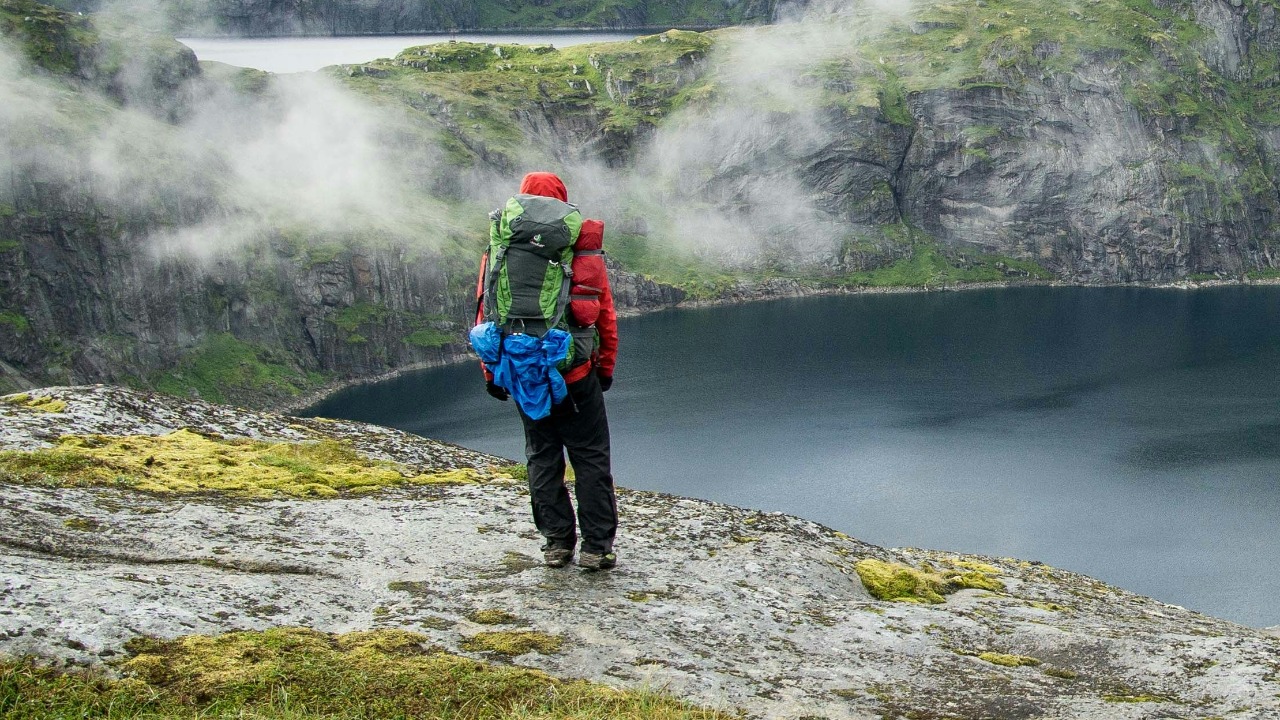
As participation climbs, the sheer volume of people on trails and rivers is forcing a rethink of how, and how often, we visit beloved places. Researchers at Central Michigan University have documented that High use levels can lead to increased erosion, litter, and damage to trails, campsites, and facilities, with places like Yellowstone National Park seeing wildlife stressed and activities becoming more challenging. Those impacts are magnified when social media turns once‑quiet spots into viral destinations overnight, overwhelming fragile ecosystems and small communities.
Some outdoor advocates now argue that certain digital habits should be left behind. A pointed essay titled “Outdoor Recreation or Colonization?” urges people to Stop geotagging hikes on Instagram, warning that this can lead to an overload of foot traffic that inherently damages the land. The author frames indiscriminate geotagging as a form of colonization, where outsiders extract beauty and clout from a place without investing in its care. That critique is landing at a moment when social trends are already shifting: one viral Instagram reel declares that as we move into 2026, there will be no more clubs, and that doing outdoor activities is the new wave, a way As we move into a new era of social life. The question is whether that wave will come with new norms that protect the places drawing the crowds.
Urban Spaces, Rituals, and Remembering the Land
Outdoor traditions are not limited to wilderness; they also shape how cities build and remember their public spaces. Architects and planners are rethinking how large‑scale infrastructure can be reintegrated into urban life, arguing for designs that honor and rejuvenate public areas by reflecting on their past significance. One analysis describes an approach that centers on designing spaces that encourage interaction and emphasize collective historical experiences, noting that Instead of erasing old structures, cities can transform them into parks, plazas, and trails that tell layered stories.
That impulse echoes older planting and harvesting rituals that once tied communities to seasonal cycles and shared labor. A key term entry on However planting and harvesting rituals notes that the shift away from these practices can lead to a disconnection from ancestral knowledge and spiritual connections to land, even as some communities adapt them to contemporary needs. Modern urban festivals, community gardens, and memorial walks are, in a sense, new rituals layered onto old ground. The challenge is to design them in ways that acknowledge who was displaced or excluded, rather than treating the land as a blank slate for the latest trend.
Paying for Conservation in an Era of Booming Use
Behind every debate about outdoor traditions lies a practical question: who pays to keep these spaces functioning as climate stress and visitation rise. A landmark paper on agricultural sustainability warns that intensive production practices carry hidden environmental costs, concluding that Such costs raise questions about the sustainability of current practices. A similar reckoning is unfolding in outdoor recreation, where the economic benefits of tourism and gear sales are often celebrated while the price of trail repair, habitat restoration, and search‑and‑rescue operations is quietly shifted onto underfunded agencies.
Policy analysts point out that as engagement in outdoor recreation continues to increase, many However Americans do not realize the environmental or economic costs tied to their outdoor visits. That disconnect fuels resistance to user fees, permits, or taxes that could fund conservation. It also keeps older traditions, like driving long distances for off‑road rallies or fireworks‑heavy lake weekends, insulated from scrutiny. As more voices call for retiring American customs that damage the environment or waste resources Across America, the conversation is shifting from whether we can afford to change to whether we can afford not to.

Leo’s been tracking game and tuning gear since he could stand upright. He’s sharp, driven, and knows how to keep things running when conditions turn.