The Trend That’s Changing How People Prepare for Season
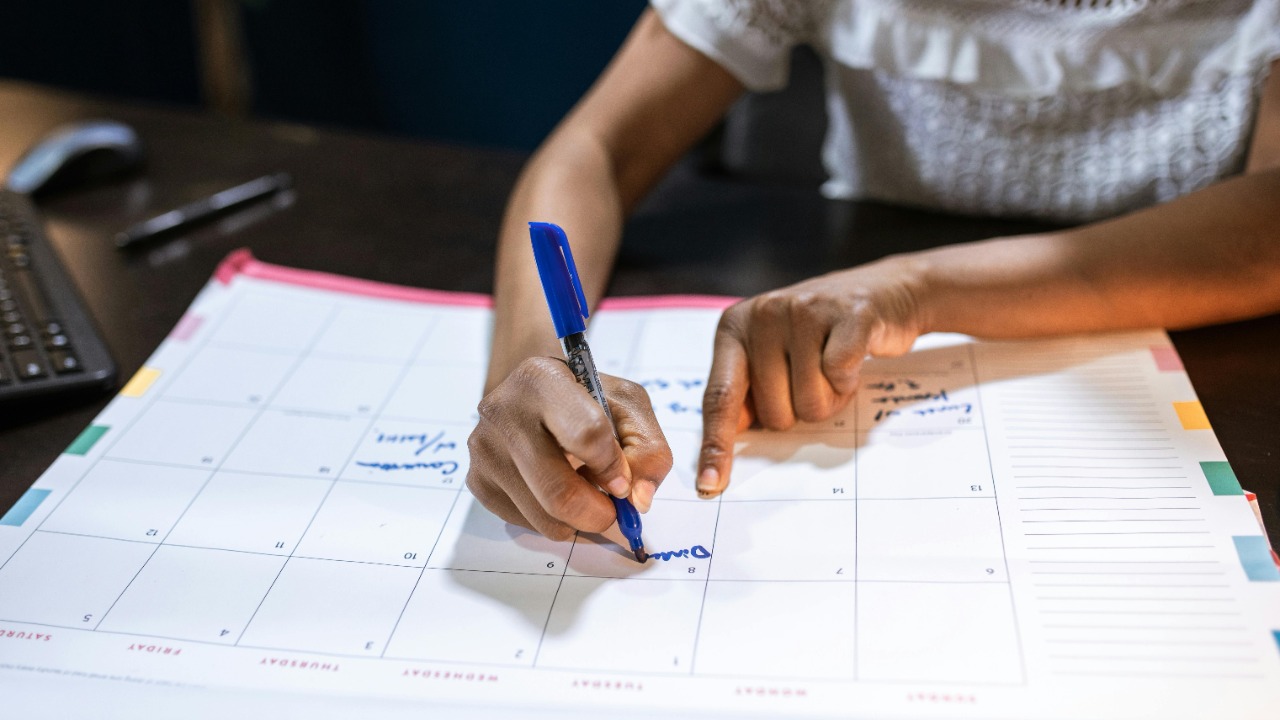
Across social media, a new kind of seasonal prep is taking hold, one that treats each stretch of the calendar as a focused “arc” for self improvement instead of a blur of holidays and weather complaints. Rather than waiting for January to overhaul their lives, people are carving the year into themed seasons for fitness, mental health, relationships, work and even digital habits. I see a clear shift away from vague resolutions toward concrete, time boxed experiments that match the mood and constraints of each season.
At the center of this shift is a cluster of viral trends that all orbit the same idea, from the Winter Arc and Great Lock In Trend to cuffing season checklists and New Year reset routines that fit inside a single tote bag. Together, they are changing how people prepare for season, turning what used to be a reactive scramble into a deliberate strategy for how to live, love and work when the light changes and the temperature drops.
The rise of the “Winter Arc” as a seasonal blueprint
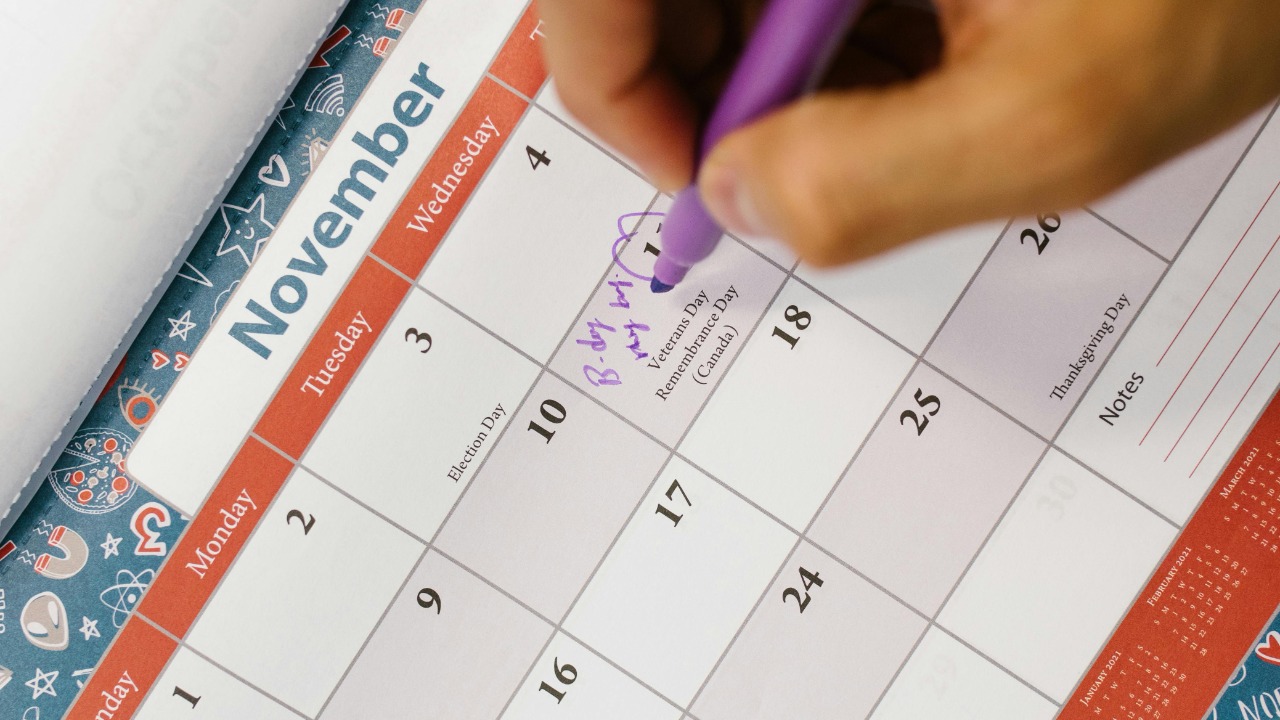
The clearest expression of this new mindset is the Winter Arc, a social media challenge that treats the coldest months as a contained storyline for personal growth. Instead of seeing winter as dead time, participants frame it as a narrative arc with a beginning, middle and end, then set specific goals for how they want that story to unfold. I have watched creators describe their Winter Arc as a training montage for their future selves, using the darker evenings to build habits they want in place by spring.
On TikTok and Instagram, the Winter Arc is often paired with the phrase Great Lock In Trend, a nod to the idea of voluntarily “locking in” at home to focus on health, routines and long delayed projects. One explainer notes that, whatever people choose to call it, the challenge encourages them to use the season to move steadily toward some of their goals, rather than waiting for motivation to appear out of nowhere, which is how Whatever frames the trend. Another deep dive describes The Winter Arc as The Self Improvement Trend Taking Over Social Media, highlighting how users share Winter Arc goals and progress in public to keep themselves accountable, a pattern that aligns with the way The Self and The Winter Arc are described.
From viral challenge to mental health tool
What began as a catchy phrase has quickly taken on a mental health dimension, especially as people look for structure during months that can feel emotionally heavy. I notice that many Winter Arc videos now include check ins about sleep, therapy and screen time, not just gym clips or productivity hacks. The arc format gives people permission to admit that winter is hard while still framing their response as proactive rather than defeatist.
Clinicians are starting to weigh in on the psychological impact of this kind of seasonal challenge, particularly the Viral Winter arc content that dominates TikTok feeds. One analysis of the Viral Winter arc challenge explains how the TikTok trend can affect mental health, with a doctor warning that Some users may feel pressured by constant comparison even as others find the structure motivating, a tension captured in the way Viral Winter and Some are discussed. That duality is the crux of this new seasonal prep culture, it can be a supportive framework or a new source of stress depending on how rigidly people treat the script.
Seasonal affective disorder and the science of preparing for darker days
Behind the aesthetic language of arcs and lock ins sits a more clinical reality, the way seasonal changes affect mood and energy. Many people who gravitate toward winter prep content are, consciously or not, responding to symptoms that resemble seasonal affective disorder, from low motivation to disrupted sleep. I see a growing effort to pair the aspirational tone of social media with evidence based strategies that address what is happening in the body when daylight shrinks.
Therapists who specialize in seasonal transitions point out that Since SAD is believed to be connected to a lack of sunlight in the winter, interventions like light therapy, outdoor walks and consistent routines can help carry people through the fall and winter months. One guide on how to prepare for season changes emphasizes that planning ahead for these shifts, rather than waiting until mood dips, makes it easier to stick with supportive habits, a point underscored in the way Since SAD is explained. When I map that advice onto the Winter Arc trend, the healthiest versions are the ones that treat the arc as a container for these clinically grounded practices, not just an aesthetic rebrand of overwork.
“October Theory” and the psychological reset before winter
The seasonal mindset shift does not wait for the first snow, it often starts in early autumn with what TikTok users call October Theory. The idea is simple but potent, people treat October as a turning point after a summer of indulgence, a moment to reset routines, reconsider relationships and decide who or what they want to carry into the colder months. I see it as the prequel to the Winter Arc, a narrative beat where the protagonist chooses a direction before the plot thickens.
Coverage of this trend notes that a new TikTok trend has people re evaluating their lives after a summer of indulgence, with creators sharing stories of breakups, job changes and health kicks that begin in October rather than January, a pattern described in detail by Network Error and By Lydia Patrick, who is identified as a Life and Trends Reporter. When I connect October Theory to the broader seasonal prep movement, it functions as an emotional audit, a chance to decide what kind of winter arc someone even wants, instead of defaulting to the same goals every year.
Cuffing season and the relational side of seasonal planning
Not all seasonal prep is about solo self improvement, a huge slice of it revolves around relationships and the social calendar. Cuffing season, the period when single people are more likely to seek committed partners as temperatures drop, has become its own planning cycle, complete with checklists, boundaries and therapy informed advice. I notice that many people now talk about “preparing” for cuffing season the way they might prepare for a big work project, with clear intentions and contingency plans.
One relationship resource defines cuffing season in straightforward terms, explaining that What is cuffing season and Simply put, it refers to the time of year when single people actively seek out romantic partners for the colder months, while also stressing the importance of protecting mental, physical and emotional well being during that search. The same guide offers tips on how to prepare for cuffing season, from clarifying values to managing expectations, all framed as part of a broader focus on emotional well being, which is how Aug and What and Simply are woven into the explanation. In the context of the larger trend, cuffing season prep shows how people are extending seasonal strategy beyond productivity into the most intimate parts of their lives.
Home, environment and the “Great Lock In” aesthetic
As people lean into the Great Lock In Trend, the home itself becomes a central character in their seasonal story. I see creators treating their living spaces as tools for mood regulation, rearranging furniture, swapping textiles and curating lighting to match the arc they are trying to live out. The goal is not just cozy decor for its own sake, but an environment that makes it easier to follow through on winter intentions, whether that is reading more, cooking at home or going to bed earlier.
Practical guides on preparing for a change of season often start with the directive to Update your home, describing the turn of season as a perfect time to create a more comfortable environment through small changes like blankets, candles or decluttering. One lifestyle piece notes that these updates can shift how we look at our space and help us be grateful, a sentiment that mirrors the way many Winter Arc videos frame home refreshes as part of their lock in, which is how Feb and Update are used. When I scroll through reels tagged with winter prep, the most compelling ones are not just aesthetic tours but clear demonstrations of how a rearranged room supports a specific seasonal habit, like a reading nook that replaces a cluttered corner where a phone charger used to live.
Strategy season, productivity arcs and the quiet grind
The seasonal mindset is also reshaping how people think about work and ambition, especially in the quieter weeks after the holidays. Instead of treating January as a loud, public sprint, some creators are reframing it as “strategy season,” a quieter period for planning, systems and behind the scenes work that will pay off later in the year. I find this framing particularly powerful because it validates the instinct to pull back from constant output without equating that with laziness.
One viral reel captures this sentiment with the reminder that It is strategy season, which means it is quiet season, describing it as the season of moving differently, Getting clear, Being present and Incre mental growth in how a brand shows up every day. The creator encourages followers to embrace this quieter mode as a necessary counterpart to more visible seasons of launch and promotion, a message that aligns with the language used in Jan and Getting and Being and Incre. Productivity coaches echo this approach, urging people to ask Am I feeling a loss of energy and feelings of fatigue and then Look into the things they can do to prepare for the effects of seasonal change, including adjusting projects for the new season, advice that is laid out in detail in Aug and Look. Taken together, these messages suggest that the new seasonal prep trend is as much about pacing as it is about hustle.
New Year reset routines and the analog bag backlash
Even the classic New Year reset is being reimagined through this seasonal lens, with a focus on small, tangible changes rather than sweeping resolutions. I see a growing preference for routines that can be physically contained and easily repeated, which makes them feel less like a one time performance and more like a sustainable practice. The most striking example is the “analog bag” trend, where people literally pack a tote with offline activities to carry through the season.
One report on a Viral New Year reset routine describes how creators are using simple, repeatable habits to adopt healthier lifestyles, encouraging followers to make their own versions of these resets and share them with friends, a pattern that matches the way Jan and Viral New Year and By Khloe Quill and Published January and CST and Holid are referenced. Another piece asks What if your New Year resolution could fit inside a tote bag, describing how Social media users are trying the analog bag trend by replacing phones with books, paints, needlepoint and puzzle books, and quoting one person who said I made a bag of things that make me feel good, she told Fox News Digital, which is captured in Jan and What and New Year and Social. In the context of seasonal prep, the analog bag is a physical anchor for an entire arc, a portable toolkit that makes it easier to live out the offline, slower winter many people say they want.
Holiday logistics, content creators and the new playbook for season prep
Behind these trends is a growing ecosystem of creators who specialize in seasonal planning, from fitness coaches to therapists and lifestyle vloggers. Their content often blends practical checklists with aspirational storytelling, turning what used to be private to do lists into public templates that followers can adapt. I see this especially around the holidays, when people are juggling travel, family obligations and financial stress on top of their Winter Arc ambitions.

Leo’s been tracking game and tuning gear since he could stand upright. He’s sharp, driven, and knows how to keep things running when conditions turn.




![Best Damn EDC [Taylor Martin]/YouTube](https://wildernessmarksman.com/wp-content/uploads/2026/01/crop-1037-768x432.jpg)