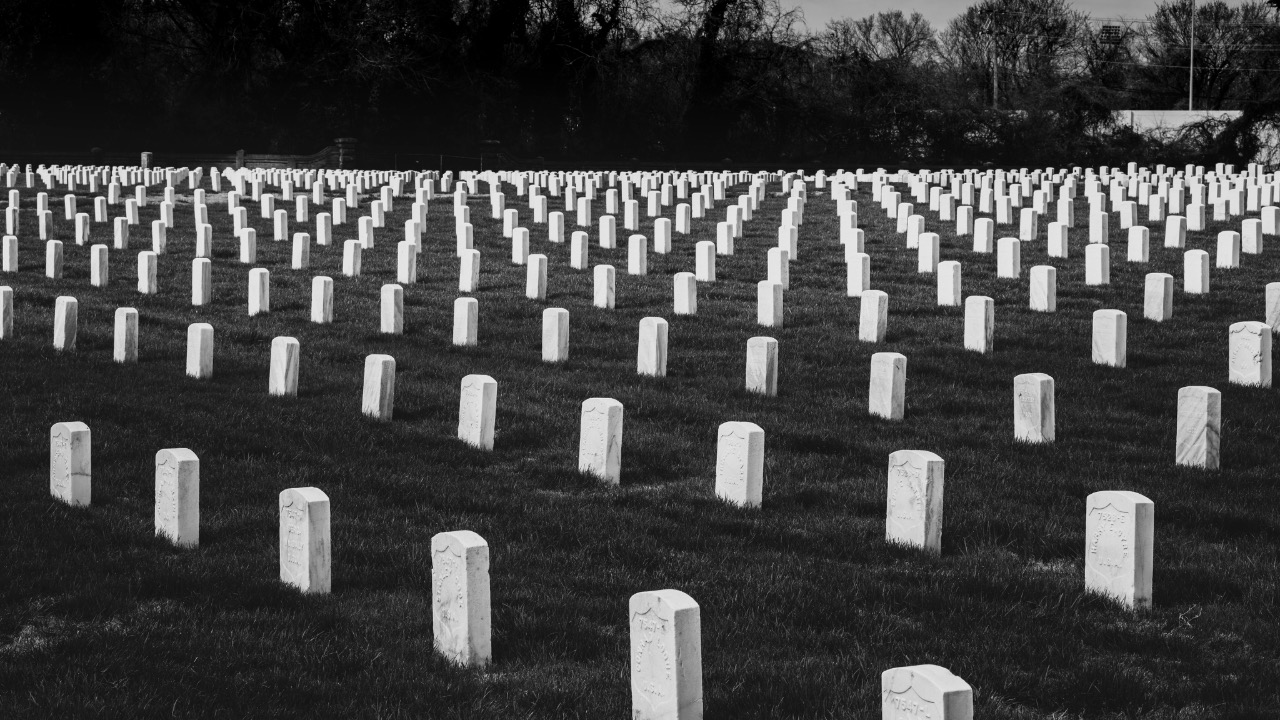
Fact Check: Were More Americans Killed in Chicago Than in Iran in March 2026? We Examined the Numbers
You have probably seen the question pop up in your feed or group chats lately. Social media posts and short videos have been circulating, pointing to crime data from Chicago alongside casualty reports from the U.S. military operations tied to the conflict with Iran. The numbers look striking at first glance, and they raise real questions about violence at home versus losses abroad. Official records from the Chicago Police Department and statements from U.S. Central Command provide the clearest picture available as of mid-April. When you line up the verified figures for March, one thing stands out right away: the homicide count in Chicago exceeded the number of American service members killed in the Iran-related fighting that month.
How the Claim Got Started
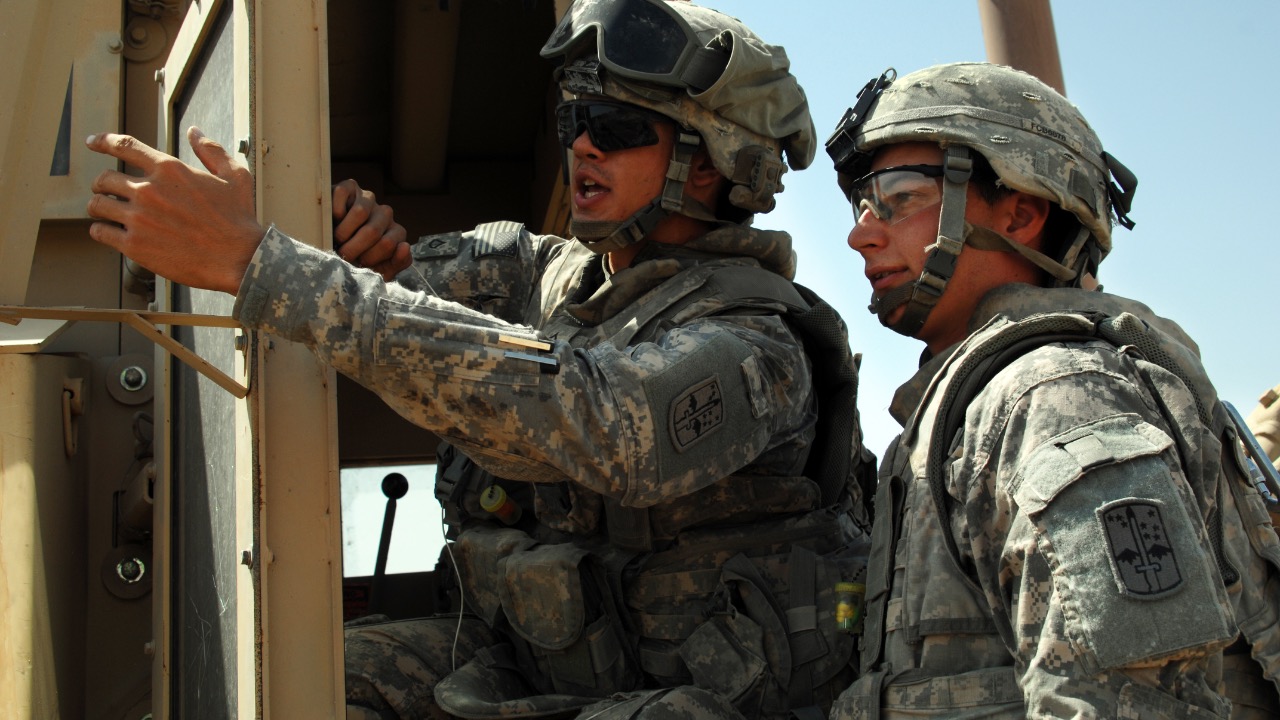
Social media users started sharing the comparison in early April, often pairing a clip of Chicago crime statistics with updates on U.S. troop losses. The posts usually highlight raw totals without much extra explanation. Many people who saw them wondered if the numbers held up or if they mixed different categories of deaths. Local news outlets in Chicago and national outlets covering the Middle East had already published monthly summaries, so the raw data existed for anyone to check. The discussion gained traction because it touched on two topics that feel urgent to a lot of readers: street safety in a major American city and the human cost of overseas military action.
The claim itself stayed simple. It asked whether Chicago saw more American deaths in one calendar month than the entire Iran conflict did in the same period. Public safety reports and Pentagon briefings supply the numbers needed to test it directly.
Breaking Down Chicago’s Homicide Numbers for March
Chicago recorded 41 homicides during March 2026. That figure comes straight from the Chicago Police Department’s monthly review released in early April. The department tracks these cases through its public safety data portal, and the count includes all confirmed killings investigated as murders. Shootings also rose compared with the previous March, with 124 incidents reported and 137 victims.
Year-to-date numbers through the end of March stood at 97 homicides, matching the pace from 2025 at that point. The department notes that preliminary data can shift slightly as investigations close, but the March total has held steady in the weeks since. These deaths occurred across neighborhoods, with some districts seeing higher concentrations than others.
The Full Picture of Gun Violence in the City
Gun violence remains the leading cause of homicides in Chicago, consistent with patterns from recent years. Most victims in March were men between the ages of 18 and 35, though the department does not always release demographic details immediately. Community leaders and police officials have pointed to ongoing challenges with illegal firearms and disputes that escalate quickly.
At the same time, overall crime complaints for several other categories, including robbery and burglary, showed declines in the same period. The police emphasize that the city continues to invest in prevention programs and increased patrols in high-risk areas. Still, the homicide total for March alone stands higher than the number of American military deaths tied to the Iran conflict during the same window.
American Service Members Lost in the Conflict with Iran
The U.S. military confirmed 13 service member deaths linked to operations connected with Iran by mid-March. These losses occurred in the early days of the escalation that began on February 28. Most took place outside Iran’s borders, including at bases in Kuwait and during an aircraft incident over Iraq.
Central Command released the names and circumstances in phased statements throughout the first half of the month. The deaths involved drone strikes on forward positions and one crash of a refueling plane. No civilian American deaths inside Iran itself were reported for March. All the confirmed U.S. fatalities were active-duty or reserve personnel supporting the regional mission.
Timing of Those Military Deaths
The bulk of the 13 deaths clustered in the first two weeks of March. Several service members died on March 1 in a single drone attack at a port facility in Kuwait. Additional losses followed on March 8 and around March 12 with the aircraft crash.
By the end of the month, the total had stabilized at that figure. Military officials described the casualties as combat-related and noted that more than 200 personnel sustained injuries, many of whom returned to duty. The timeline matters because it shows the fighting intensified right at the start of March and then the reported deaths slowed.
Why the Comparison Stands Up to Scrutiny
When you place the two totals side by side, 41 homicides in Chicago versus 13 U.S. military deaths in the Iran conflict, the Chicago number is clearly larger. Both sets of figures come from official government sources that update regularly and allow public review. The Chicago data covers a full calendar month, and the military numbers reflect all confirmed losses tied to the operation during that same month.
Analysts who track both crime trends and defense reports have noted the same disparity. The comparison holds because it uses consistent time frames and counts only verified cases. No adjustments for population size or other variables change the basic outcome: more Americans died in Chicago than in the military actions connected to Iran.
Important Differences Between the Two Situations
The nature of the deaths differs sharply. Chicago homicides stem from domestic disputes, gang activity, and street-level conflicts, almost all involving firearms. The military deaths resulted from hostile action in a declared operation overseas.
One set involves civilians and local law enforcement responses; the other involves trained service members under command. These distinctions matter when people discuss policy or prevention. Yet the raw count of American lives lost remains the point of the original question, and on that measure Chicago’s March total exceeded the overseas figure.
What This Means for How We View the Data
Numbers like these invite larger conversations about priorities at home and abroad. Chicago residents and officials continue working on strategies to reduce gun violence through community outreach and enforcement. At the federal level, the Defense Department has provided regular updates on troop safety and mission progress in the Middle East.
Readers often encounter simplified versions of the story online. Taking time to review the primary sources from the police department and Central Command helps cut through the noise. The facts show a clear difference in the monthly totals for March 2026.
Moving Forward with These Facts in Mind
The data we have now points to more Americans dying in Chicago than in the Iran conflict during March. Both issues deserve attention on their own terms. Local leaders in Chicago track weekly trends and adjust resources accordingly. Military commanders monitor threats and adjust tactics to protect personnel.
Staying informed means checking the latest releases rather than relying on any single post. The verified records remain the most reliable guide as new weeks bring fresh reports from both the city and the region.

Asher was raised in the woods and on the water, and it shows. He’s logged more hours behind a rifle and under a heavy pack than most men twice his age.