Acting Attorney General Blanche Says Current Moment Is Not Right for Gun Law Changes
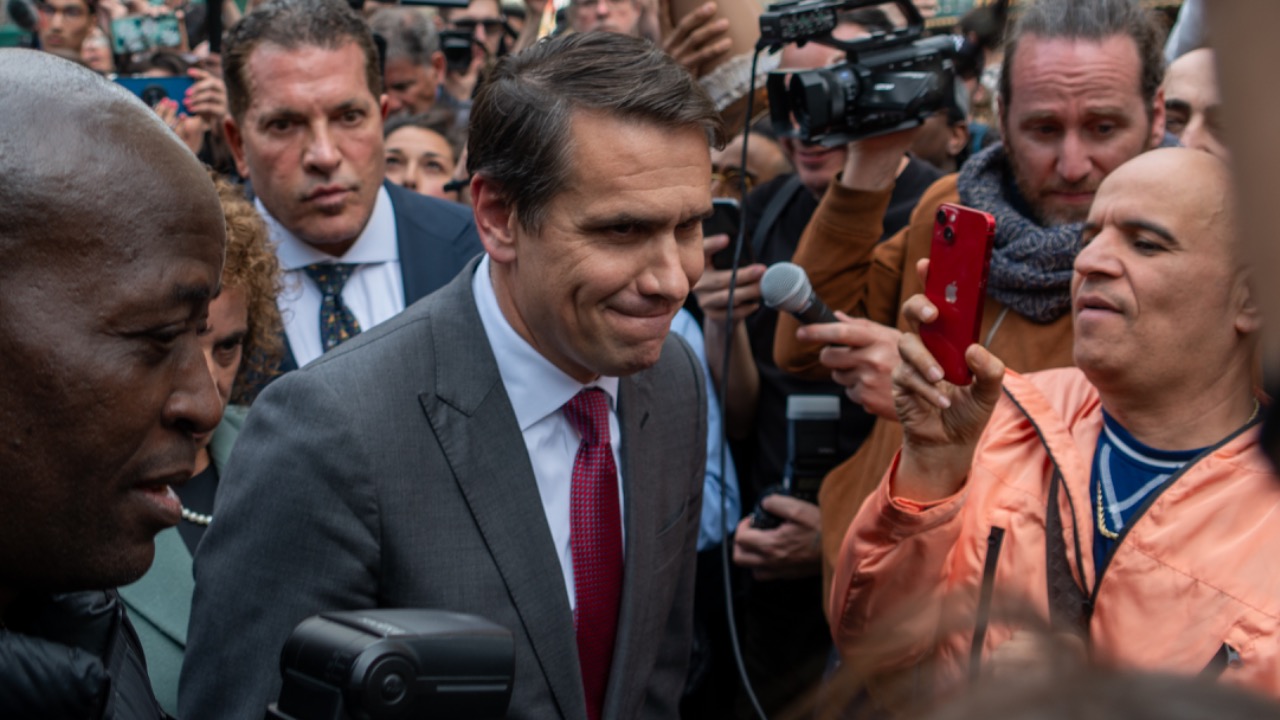
You watched the reports unfold after shots rang out at the White House Correspondents’ Association dinner. Acting Attorney General Todd Blanche stepped in front of the cameras the next day and delivered a clear message. He argued that tightening firearm regulations misses the point right now. Instead, the focus belongs on how security measures held up and how investigators pursue the suspect. His comments reflect a broader stance within the current administration on where attention should go after high-profile incidents.
This approach stands in contrast to past debates where violence often triggered immediate calls for legislative shifts. Blanche emphasized that existing laws and rapid law enforcement response prevented worse outcomes. He pointed to the suspect’s failure to breach deeper protections as evidence that systems in place can work when properly executed.
Security Perimeters Proved Effective
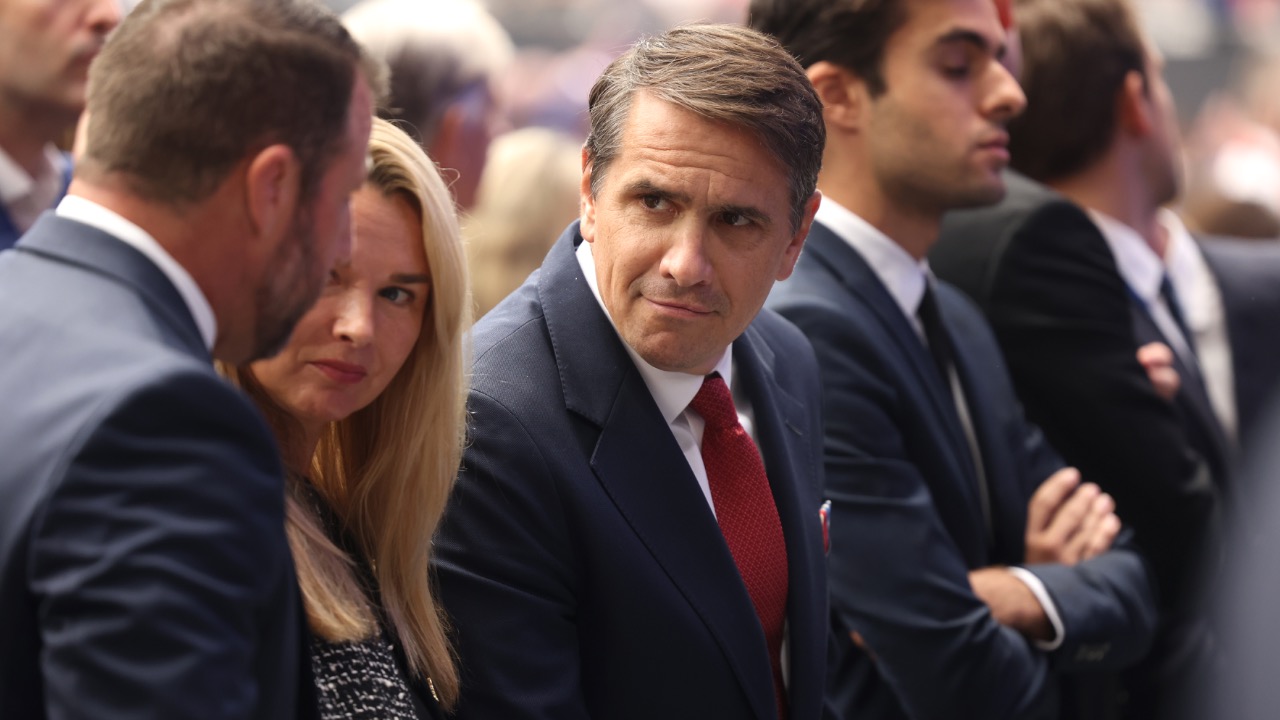
You consider the details that emerged about the incident. The suspect managed only a limited approach before authorities intervened. Blanche highlighted how the perimeter around President Trump and other officials contained the threat quickly. Secret Service and local law enforcement coordinated in ways that limited exposure for those inside the event.
These outcomes underscore years of investment in protective protocols for major gatherings. Officials continue reviewing footage and timelines to identify any gaps worth addressing through operational adjustments rather than statutory overhauls. The acting attorney general stressed appreciation for the professionals who executed their roles under pressure. Such responses matter more than speculative policy debates in the immediate aftermath.
Focus Remains on the Investigation
Law enforcement teams moved fast to identify and charge the individual involved. Federal prosecutors, under Blanche’s oversight, prepared charges that include attempted murder and weapons violations. The suspect, described as acting alone so far, faces thorough scrutiny of his background and movements leading up to the dinner.
You see investigators tracing how firearms reached the scene despite local restrictions in Washington, D.C. Blanche noted purchases occurred over time in other locations. This line of inquiry prioritizes enforcement of current rules and potential intelligence failures over broader restrictions that might not have altered this specific case.
Administration Priorities on Firearms Policy
Blanche has outlined plans to strengthen Second Amendment protections through regulatory and legal channels. Recent appearances, including at events with gun rights groups, signal intentions to reshape enforcement priorities at the ATF and defend expanded carry rights in court.
These steps align with a philosophy that views lawful ownership as fundamental rather than something to curtail after every incident. The acting attorney general has indicated the Department of Justice will push back against measures seen as infringing on constitutional rights. This direction shapes how the administration responds to calls for change following the recent shooting.
Context of Recent Violence
High-profile attacks continue to test public patience and policy responses. Earlier events, like the January incident involving ICE, prompted different reactions from some quarters. Blanche’s position draws a deliberate line against using this latest episode to advance restrictions.
You notice how timing influences these discussions. With fresh details still emerging about the suspect’s motivations and preparations, officials prefer waiting for complete information before considering any adjustments. This measured pace avoids reactive legislation that might prove ineffective or counterproductive.
Law Enforcement Execution Over Legislative Shifts
Blanche repeatedly returned to the idea that successful interdiction by officers on site demonstrated capability within existing frameworks. He avoided framing the event as a failure of gun statutes and instead credited training and rapid response.
This perspective encourages examination of tactical improvements and inter-agency coordination. Resources directed toward better threat detection and perimeter security could yield more immediate safety gains than debates that divide along familiar political lines.
Looking Ahead in Gun Policy Debates
You follow how these statements fit into larger conversations about rights and public safety. The acting attorney general has signaled reluctance to pivot toward more restrictive measures at this juncture. Ongoing litigation and regulatory reviews will likely test the boundaries of federal authority in coming months.
Observers anticipate continued emphasis on prosecuting violations vigorously while protecting access for law-abiding citizens. The coming weeks will show whether this approach holds amid pressure for different solutions. For now, the message centers on supporting the systems that contained the threat rather than overhauling them.

Asher was raised in the woods and on the water, and it shows. He’s logged more hours behind a rifle and under a heavy pack than most men twice his age.