Ammunition that kills deer cleanly without damaging meat
Cleanly killing a deer without wrecking the shoulders or rib meat comes down to two things: where you hit and what your bullet does when it gets there. I look for bullets that open reliably in the lungs, hold together through bone, and avoid spraying fragments through the roast. Here are five styles that, when paired with good shot placement, help drop deer fast while keeping the meat in good shape.
1. Bonded Core Bullets
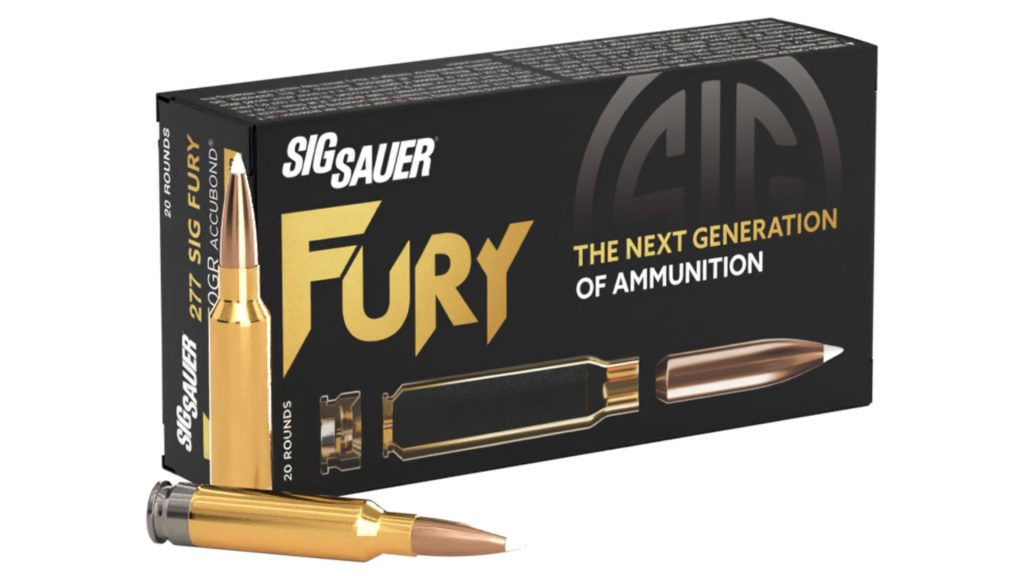
Bonded core bullets are built so the lead core and copper jacket stay locked together as the bullet mushrooms. That high weight retention keeps penetration deep through the vitals while limiting the kind of violent breakup that blood-shots entire shoulders. When a bonded design like a Federal Trophy Bonded Tip holds together, the energy is dumped in a controlled path, which is exactly what you want for a quick kill and a clean carcass.
Because they resist fragmentation, bonded bullets shine on quartering shots where you might clip heavy bone before reaching the lungs. Instead of scattering lead through the near-side meat, the bullet usually tracks straight, exits, and leaves a manageable wound channel to trim around. For hunters who often shoot bigger-bodied deer or push the edge of their effective range, that balance of expansion and integrity is a major advantage for both ethics and meat yield.
2. Polymer-Tipped Bullets
Polymer-tipped bullets use a hard plastic point to sharpen the nose and improve aerodynamics, then drive that tip back into the bullet on impact to start expansion. The classic example is the Nosler Ballistic Tip, which many whitetail hunters rely on for consistent mushrooming in the chest cavity. When velocity and construction are matched to deer-sized game, these bullets open fast in the ribs and usually exit, leaving a clear blood trail.
The key for protecting meat is to avoid driving a fragile polymer-tipped bullet into big shoulder bones at very high speed. Used from moderate distances into the classic behind-the-shoulder lung pocket, they tend to liquefy the vitals while sparing most of the front quarters. For hunters who value flat trajectories from stands or field edges, a well-chosen polymer tip can be a very clean killer that keeps trimming to a minimum.
3. Soft Point Bullets
Soft point bullets have an exposed lead tip that flattens and mushrooms on impact, creating a wide wound channel without the explosive behavior of some match-style designs. Traditional cup-and-core soft points like Winchester Power-Point have anchored deer for decades because they expand reliably at normal woods ranges. When driven at sensible velocities into the ribs, they usually punch in, open up, and exit without shredding every bit of nearby muscle.
Meat-conscious stalkers often pair soft points with careful shot placement. One experienced hunter on a discussion of deer calibers and bullets, meat loss describes aiming between one-third and one-half of the way up the body, along the line of the front leg, to destroy the heart and lungs while sparing the shoulders. Used that way, a soft point gives you a fast kill, a modest exit hole, and only a small amount of trimming around the wound channel.
4. Monolithic Copper Bullets
Monolithic copper bullets, often called Monolithic Bullets Monolithic, are solid copper or copper-alloy designs that expand with petals instead of shedding a separate lead core. Because there is no lead to separate, they almost never fragment, which dramatically cuts down on both meat contamination and blood-shot tissue. A well-known example is the Barnes TSX, which opens into sharp petals yet typically retains nearly all of its original weight.
These bullets tend to penetrate very deeply, so they are ideal when you might hit heavy bone or take steep quartering shots. Hunters discussing monolithic bullets for big game hunting often highlight how clean the carcass looks at the skinning pole, with a straight-through wound and little wasted meat. For anyone worried about lead in the grinder or losing big chunks of shoulder, monolithic copper is one of the most meat-friendly options available.
5. Partition Bullets
Partition bullets use a dual-core design, with a front lead section that expands and a rear core protected by a solid wall of jacket. Nosler Partition is the classic here, and its layout lets the nose open quickly to dump energy while the back half keeps driving. On deer, that means a wide initial wound in the lungs, followed by reliable penetration that often produces an exit hole for tracking.
Because the rear core stays intact, partitions are less likely to blow up on the near-side shoulder than some thin-jacketed bullets, which helps preserve meat around the impact. They are especially useful if you hunt mixed terrain where shot angles are unpredictable and you still want a bullet that behaves well on a broadside rib shot. Used within their intended velocity window, partitions offer a strong mix of humane kills, straight penetration, and manageable trimming at the skinning shed.

Asher was raised in the woods and on the water, and it shows. He’s logged more hours behind a rifle and under a heavy pack than most men twice his age.