Anglers Are Adjusting After a Surprising Season
Across North America, anglers are discovering that the rhythms they relied on for years no longer line up neatly with the calendar. Water temperatures, regulations, and even technology are shifting fast, and the most successful fishers are treating this season less as an anomaly and more as a preview of what is coming. From bass pros to weekend walleye trollers, the story is the same: adapt quickly or watch the bite pass you by.
That adjustment is not just about tying on a different lure. It now involves reading erratic weather, navigating compressed or experimental seasons, and rethinking how electronics, safety, and even culture fit into a sport built on tradition. I have been struck by how many of the best anglers are leaning into those changes, using data, local knowledge, and a more flexible mindset to turn a surprising season into an advantage.
Electronics, confidence and the new competitive baseline
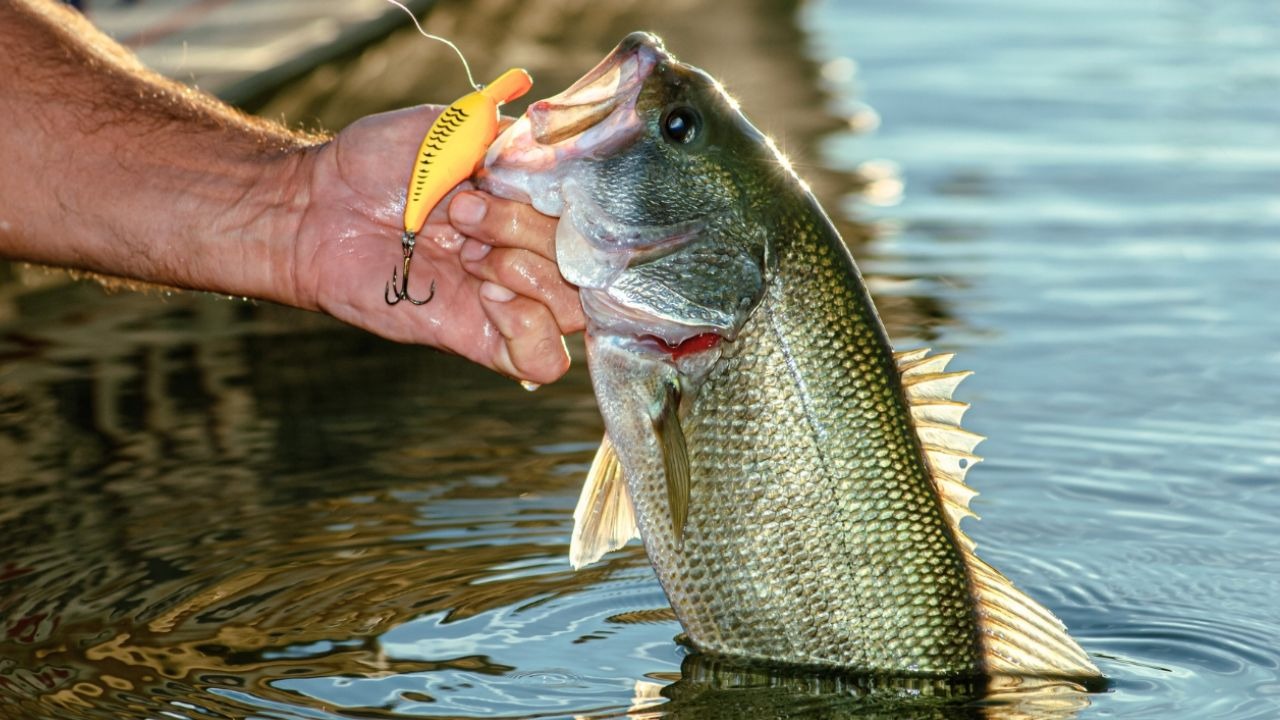
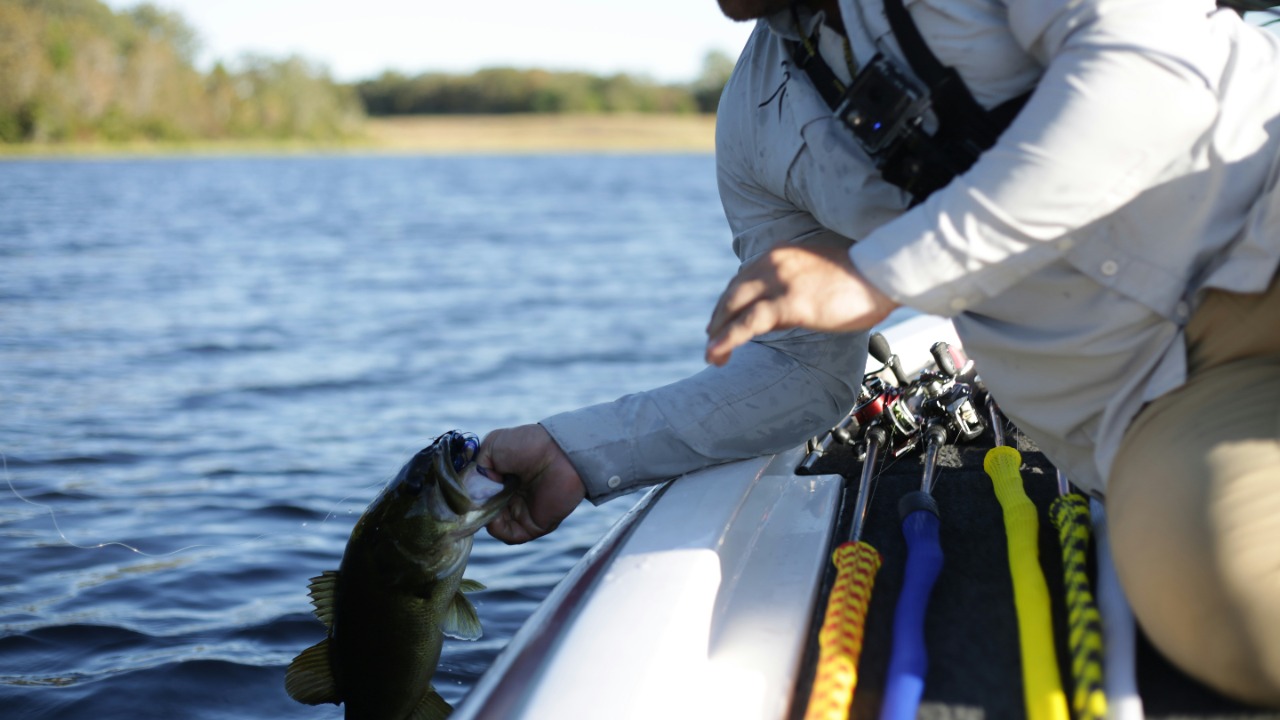
At the top levels of bass fishing, the biggest adjustment this year has been psychological as much as tactical. Tournament pros talk about using the offseason to rebuild confidence and refine how they use forward-facing sonar, treating it less as a magic wand and more as one tool in a broader system. In one recent event, 32.9% of the scorable bass were caught with that technology, accounting for 33.8% of the total weight, a reminder that electronics now define the competitive baseline rather than sitting at the margins.
That reliance has sparked a parallel debate about how much technology should shape the sport. Some anglers argue that sonar-heavy patterns risk overshadowing traditional instincts, while others insist that reading a live screen is simply the modern version of reading a shoreline. The tension is visible in how pros talk about their offseason work, blending time on the water with mental reps to stay calm when the screen goes blank and they have to trust their seasonal understanding instead of pixels. In that sense, the surprising season is forcing competitors to integrate electronics into a more complete, resilient approach rather than chasing every blip that appears under the boat.
Late-season walleye and the myth of “too late”
For many casual anglers, the first skim of ice on the guides has long been the signal to pack away trolling gear. Yet some of the most productive walleye fishing now happens precisely when the days get shorter and the air bites. As one detailed breakdown of late trolling tactics notes, When the temperatures drop and ice starts forming in rod guides, most anglers head home just as big fish slide into predictable feeding lanes.
The key adjustment is following the food instead of the calendar. As bait schools consolidate, walleye often push shallower or suspend over structure, and the anglers who stay out adapt by slowing their troll, downsizing baits, and watching their electronics for subtle depth changes. The advice is blunt: do not quit just because the weather feels uncomfortable. By treating late fall as a distinct season with its own rules rather than an afterthought, more anglers are discovering that the “too late” window is actually when some of the heaviest fish of the year are most accessible.
Life between seasons and the grind of staying sharp
Professional anglers often describe the offseason as anything but a break. Instead of long vacations, they spend those weeks testing new gear, scouting emerging patterns, and quietly watching how other competitors approach the same water. One veteran recalled how a partner boat would slide through an area first and pick off a few fish, and then They would follow and catch more by adjusting angles and presentations behind them, a small example of how observation and patience can turn leftovers into a winning pattern.
That mindset carries into the gap between tours, when pros quietly refine the little things that separate a check from a long drive home. They re-spool reels, test new hooks, and revisit familiar lakes to see how fish have shifted with changing water levels or forage. The surprising nature of this season, with its erratic weather and evolving rules, has only heightened the importance of that in-between work. Anglers who treat the offseason as a laboratory rather than a layoff are the ones most likely to show up ready when the first flight of boats idles out.
Seasonal patterns are blurring, and tactics are following
Recreational anglers are also being forced to rethink the old four-season playbook. Guides and gear makers now talk about Seasonal Fishing Strategies that are less about fixed dates and more about water temperature, forage movement, and light levels. The advice is to How you Adjust Techniques by Season, not whether the calendar says spring or fall.
That shift mirrors a broader cultural recognition that traditional seasonal boundaries are blurring. As The Byrds once sang, “To everything… turn, turn, turn,” and modern anglers are taking that lyric literally, turning their tactics as quickly as conditions demand. Instead of assuming that a certain month means shallow crankbaits or deep jigs, they are watching for cues like bait flickering on the surface or sudden clarity changes. The anglers who thrive in this surprising season are the ones who treat every trip as a fresh puzzle rather than a rerun of last year’s script.
The mental reset: approaching a new season like a new circuit
Behind every tactical adjustment sits a mental one. Competitive anglers talk openly about the need to reset their expectations at the start of each year, especially when formats, rules, or venues change. One seasoned pro framed it bluntly: most critical when financial pressure and past results threaten to cloud decision making, and the only way to fish freely is to build a stronger mind-set this year than last.
That advice resonates far beyond the tournament dock. Weekend anglers are also wrestling with how to respond when favorite spots stop producing or when new regulations limit familiar tactics. The ones who adapt fastest are those who view each season as a clean slate, not a referendum on past success. By accepting that surprises are now the norm, they free themselves to experiment, learn from blank days, and pivot without the weight of old habits dragging behind the boat.
Ice, safety and the shrinking window on hard water
Nowhere has the season felt more unstable than on the ice. In some regions, a colder early winter has delivered a strong start to hardwater fishing, with reports of a robust early ice season on Houghton Lake even after a brief warmup, as highlighted in a local broadcast that described how Jan conditions stayed mostly below average. In others, ice has been unreliable, forcing anglers to pull shacks weeks earlier than they once did.
Officials are responding by emphasizing safety and education. In New York, for example, the state’s conservation agency is urging anglers to check thickness carefully and to Visit the instructional playlist before heading out, a sign that authorities see both the appeal and the risk of a volatile ice season. At the same time, warming trends in parts of New England have pushed some fishers off the ice entirely, with reports that England fishers are on thin ice both literally and figuratively as they worry about the future of a deeply rooted tradition.
Regulations, red snapper and the politics of a weekend
Saltwater anglers have faced a different kind of surprise: regulatory whiplash. In the South Atlantic, federal managers set a tightly controlled NOAA season for Atlantic red snapper, limiting opportunities to a narrow window that can be wiped out by a single storm. That decision came alongside the withdrawal of a broader bottom-fishing closure proposal, illustrating how managers are trying to balance conservation with access in real time.
Then came an even sharper jolt. On June, the On June decision by the National Oceanic and, or NOAA, to impose an “emergency” one day season with a bag limit of one fish per angler left many charter captains scrambling to salvage bookings. For coastal communities that rely on red snapper weekends to fill marinas and restaurants, the message was clear: regulatory surprises are now part of the seasonal equation, and successful operators will need backup plans when a year’s worth of demand is squeezed into a single day.
Climate, fashion and the strange new seasons
Anglers are not the only ones grappling with seasons that no longer behave. Climate researchers warn that There is concern that prolonged changes in ocean temperatures are disrupting traditional cycles, altering the timing and strength of stratification and potentially reshaping when and where fish feed. Those shifts filter down to everyday decisions, from when to launch a boat to which species are even present in a given bay.
Other industries are quietly wrestling with the same problem. Fashion analysts note that Firstly, there has been a blurring of seasonal boundaries, with consumers demanding lighter clothing options even in traditional winter months as weather patterns swing unpredictably. That same blurring is visible on the water, where anglers might throw summer-style topwaters on a warm December afternoon or drill through ice in what used to be shoulder season. The broader cultural response, from wardrobes to weekend plans, suggests that everyone is learning to live with seasons that feel more like suggestions than rules.
From fall transitions to deep cranking and beyond
Within this new reality, some of the most practical guidance for anglers is surprisingly simple: follow the fish, not the date. Biologists and state agencies remind people that Nov Fall temperatures do not just mean people add layers, fish do too, stacking on weight as dropping temps and shorter days trigger feeding binges for walleye, musky and more. Veteran pros like Edwin Evers echo that message, pointing out that Fall is here even if it arrives earlier or later than the calendar suggests, and that anglers should key on bait migration and cooling trends rather than arbitrary dates.
Summer tactics are evolving too. Mike Iaconelli has urged bass anglers to embrace deep cranking when the weather is hot, noting that Jun results at After Saginaw showed how effective it can be to target offshore schools even after years of pressure. In northern waters, lodge operators encourage guests to Jun Consider a thermometer to track subtle temperature bands, Vary Your Bait as Fish shift depth, and accept that success may require a little extra time and effort as conditions swing.
Forward-facing sonar limits, best water and a culture in flux
Even as technology becomes central to modern fishing, regulators and organizers are starting to draw lines. In top-tier bass events, Jan discussions around The New Forward Facing Sonar Limits Explained how circuits are capping screen use and screen size to preserve some of the sport’s traditional feel. Jacob Wheeler has pushed back on the idea that Bass Pro Tour shifting to a five fish format, the role of forward-facing sonar will automatically shrink, arguing instead that the best anglers will still use it to locate quality bites even under new scoring rules.
At the same time, educators and guides are reminding anglers that electronics are only as good as the decisions behind them. A recent video on why Jan anglers miss the best water argues that many people simply do not cover enough ground or trust their instincts about where migratory fish travel. Outside the water, fish are even showing up in unexpected places, with interior designers noting that Fish motifs feel versatile and poised to make a splash in 2025, a trend some trace back to Pinterest boards. Even Major League Baseball is wrestling with its own version of seasonal change, as MLB (Major League Baseball) Announces Large Scale Rule Changes for the 2026 to 27 Season Post, a reminder that every sport is rethinking its rules as conditions evolve. For anglers, the lesson is clear: seasons, technologies and even aesthetics are in motion, and the ones who thrive will be those willing to adjust as quickly as the fish they chase.

Leo’s been tracking game and tuning gear since he could stand upright. He’s sharp, driven, and knows how to keep things running when conditions turn.