Arapaima sightings in Florida raise concerns among wildlife officials
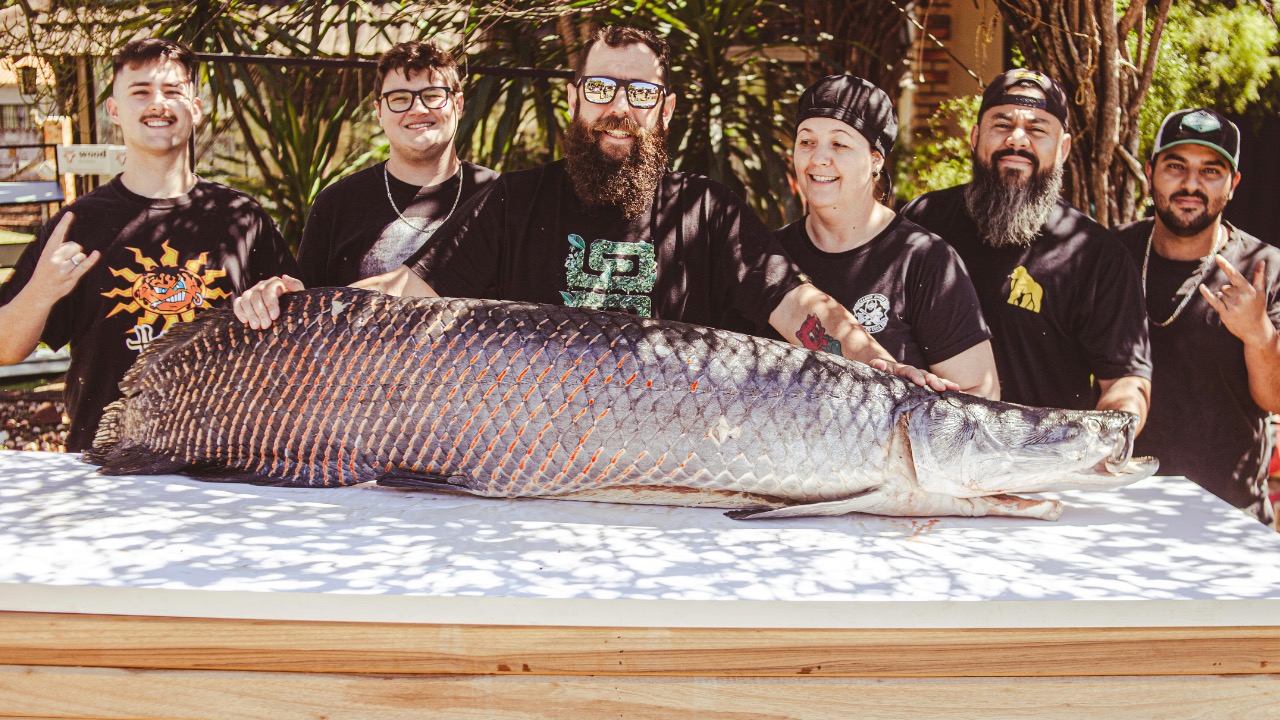
When a fish the size of a jon boat shows up in a suburban Florida park, people pay attention. The recent arapaima sightings and carcasses in the state have turned a niche angler’s fantasy into a real management headache, and wildlife officials are treating every report as a potential warning shot.
Florida has seen invasive fish before, but a 10-foot predator that can weigh hundreds of pounds is a different kind of problem. As more anglers, homeowners, and even would-be poachers cross paths with these Amazon natives, the question is no longer whether they are here, but what happens if they get a foothold.
From Amazon legend to Florida reality
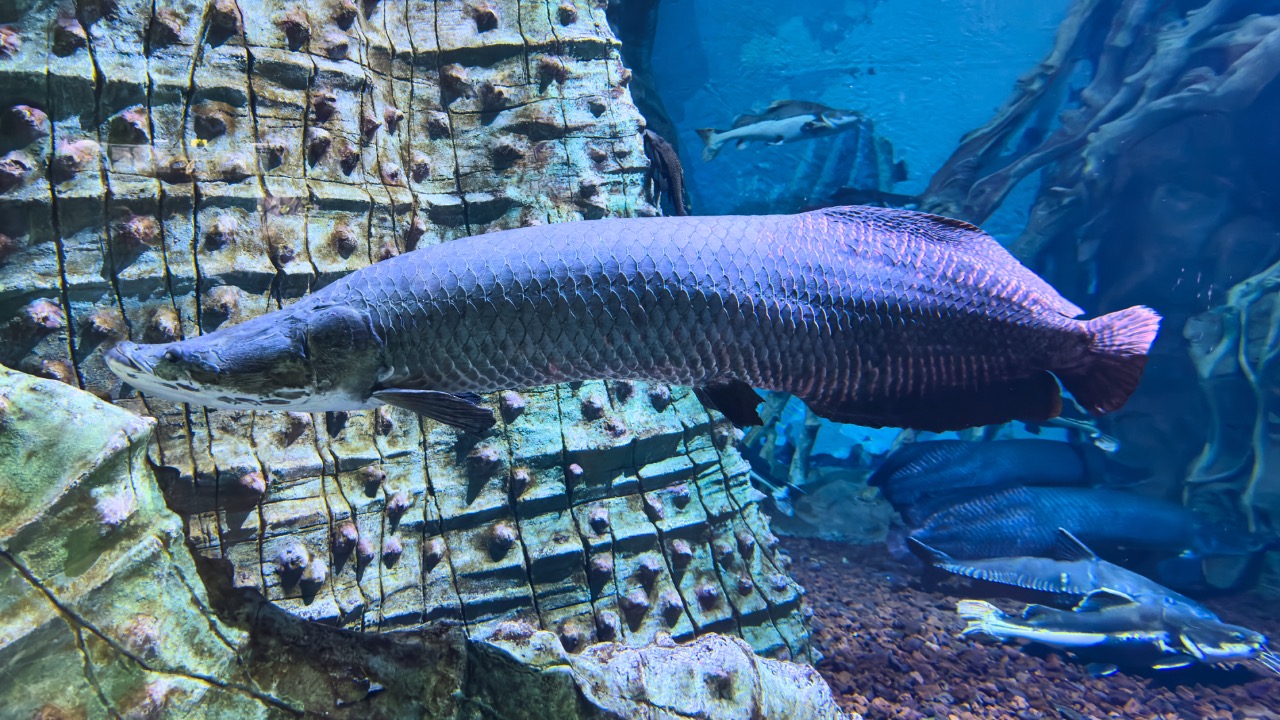
The arapaima has long been the stuff of fishing stories from the Amazon River, where locals talk about a fish so big it can knock a man from a canoe and so old that some call it a living fossil. Reports describe the species as possibly the largest freshwater fish on the planet, with some individuals stretching close to 10 feet and carrying the thick, armored scales of something out of prehistory, according to information from the Smithsonian and its National Zoo & Conservation Biology Institute. In its home range, this fish has supported food fisheries for generations and, more recently, a booming catch-and-release tourism scene.
Deep in the jungles of Brazil, anglers talk about The Arapaima as a rare bycatch that can be more than 23 million years old as a species, a throwback that does not fall for artificial lures easily and often has to be tricked with big topwater plugs, according to one account that describes Deep in the where The Arapaima is almost mythical. That background is part of what makes its sudden appearance in Florida waters so jarring: a fish that once required a plane ticket to Brazil is now turning up in neighborhood rivers and on social media feeds from the Sunshine State.
The first carcass and a wave of questions
The turning point for Florida came when a rotting arapaima body washed up along the Caloosahatchee River, close to Cape Coral’s Jaycee Park, where NBC reported that the dead fish had drifted into a family-friendly green space that locals use for walking and kayaking, according to details that noted NBC and the location at Jaycee Park on. Another report described how the rotting body of a dead arapaima had been found in Florida, with onlookers reacting to the size and strange look of the carcass, according to coverage that urged curious readers to Join the club and Get a closer look at how a dead arapaima has been found in a place it does not belong, as detailed in one account. The discovery raised immediate questions about whether the fish had been released from captivity, escaped a private pond, or signaled the start of a wild population.
State biologists quickly confirmed that arapaima are not native to Florida and that any specimen found in public waters likely arrived with human help, not through some natural expansion from the Amazon River in South American to the United States. One risk assessment from federal scientists notes that arapaima have already shown up in the United States in Florida and Louisiana, although the exact species involved is not always clear, and that these fish are treated as conditional nonnative species by state regulators, according to an ecological screening summary that cites the United States and Florida and Louisiana. That kind of language is not used lightly, and it shows how seriously officials are taking even a single carcass.
Why wildlife officials are alarmed
Florida biologists who have spent years battling lionfish, Burmese pythons, and other imports see arapaima as another potential heavyweight that could throw off the balance in already stressed waterways. One fisheries expert, identified as But Galloway in multiple reports, warned that if a large, reproductively active arapaima is ever found in the wild, there is likely more in the system and a real chance of establishment, according to coverage that quoted But Galloway explaining that a fearsome new invasive could threaten native fish and that the Florida Fish and Wildlife Conservation Commission was monitoring the situation, as detailed in one report. A separate account that also cited Mar and But Galloway repeated the same ominous warning that a single big breeder in the wrong place could mean there is likely more in the area, reinforcing the concern that Florida’s canals and rivers might not be ready for a 10-foot-long river monster, as described in another account.
The worry is not just about size, it is about behavior and reproduction. Reports that draw on Smithsonian research say arapaima are aggressive predators that can gulp down smaller fish, and that Because they are so big and reproduce quickly, they are considered a threat in places where they are not native, according to one summary that links New management practices in Brazil with rising populations and notes that Brazil has had to rethink how it handles this resource, as described in coverage of Brazil and Because. Florida officials look at that track record and see a fish that could easily outcompete native bass, crappie, and panfish if it ever got comfortable in the warm, shallow lakes and backwaters that already resemble parts of the Amazon.
How Florida law treats arapaima
Florida has not waited for arapaima to become a full-blown problem before tightening the screws on ownership and transport. The Florida Fish and Wildlife Conservation Commission confirmed that Arapaima are not native to Florida and are regulated as a Conditional species under state rules that restrict how they can be possessed and traded, according to a report that described how the Florida Fish and Wildlife Conservation Commission responded after a high-profile case and emphasized that these fish are treated differently from ordinary aquarium stock, as detailed in a story about Florida Fish and rules. That designation means owners have to follow strict permit conditions, and regulators can step in quickly if they suspect illegal releases or escapes.
Those state rules line up with the broader framework in Fla. Admin. Code Ann. R. 68-5.004, which spells out how Conditional Non and Native Species Live specimens of certain fish, reptiles, and other animals are handled by regulators, according to the legal text that lists 68 and 5.004 as the controlling section for many nonnative fish, as seen in Fla Admin Code. Arapaima fall into that bucket, which means anyone who wants to keep or farm them in Florida has to navigate a maze of paperwork and inspections, and any slip that leads to an escape can quickly turn into a law enforcement issue.
Poachers, fish farms, and the black market pull
The combination of rarity, size, and social media buzz has turned arapaima into a target for more than law-abiding anglers. In one Florida case, Two men allegedly tried to take exotic fish in a burglary at a fish farm, with the Miami Herald reporting that the Duo broke into a facility to grab high-value specimens worth about 1,000 dollars, according to an affidavit described in coverage that tied the attempted theft to growing demand for rare species, as seen in a report from Florida Miami Herald. A separate incident in DeSoto County involved two suspects accused of attempted fish napping from a fish farm that housed arapaima, again drawing attention to how much money is now tied up in these exotic stocks and how tempting they are for thieves.
Those stories highlight a messy reality for wildlife officials. On one hand, regulated fish farms and pay-to-fish operations argue that arapaima bring in tourism dollars and offer a unique experience that keeps anglers from traveling abroad. On the other hand, every burglary, escape, or backyard release increases the odds that a few fish slip into canals or rivers where they do not belong. When Florida Fish and Wildlife Conservation Commission officers talk about Arapaima and Florida and Conditi status, they are not speaking in the abstract, they are responding to real cases where private ownership has already brushed up against public water, as described in the same report that detailed the Conditional species rules.
Anglers torn between excitement and risk
Among anglers, arapaima inspire a mix of awe and unease. One Florida based fisherman told a blogger that “I think it’s kind of cool,” when asked about the idea of chasing this newcomer in local waters, yet beneath his admiration lay an awareness of the potential ecological damage that had been raised in conversations with biologists like Dr. sources, according to a write-up that quoted him while also noting that Dec interest in arapaima fishing in Florida has grown quickly, as described in an angling feature. That split reaction is common: a fish that can crush a topwater plug and tail-walk like a tarpon is hard for serious anglers to ignore, even if they know it might not belong here.
Social media has poured gas on that fire. A viral TikTok clip posted in Jun featured a creator joking that Hollywood had convinced everyone sharks are the big problem, while showing an arapaima thrashing boatside and arguing that freshwater giants like this deserve more attention, according to a video where the host mentioned Hollywood and promised he would die on that hill, as seen in one popular clip. Clips like that make arapaima look like the ultimate bucket-list catch, but they rarely dwell on what happens if a few of those fish slip through a fence during a flood and end up in a public river.
What scientists say about ecological fallout
Biologists who have studied arapaima in South America warn that their life history traits line up uncomfortably well with Florida’s environment. According to research cited by the Smithsonian and other groups, arapaima are air breathers that come to the surface regularly, which lets them survive in low-oxygen backwaters where other fish struggle, and they guard nests aggressively, which boosts survival of their young, as described in a profile from the National Zoo and Conservation Biology Institute. Those same traits would let them thrive in Florida’s stagnant canals, stormwater ponds, and weedy lakes where native fish already fight for space.
One local analysis put it bluntly: But the risk to the ecosystem far outweighs the recreational value of the species, According to a write up that cited Smithsonian research and described how arapaima are aggressive predators that can disrupt food webs, as summarized in a story that urged citizens of Florida to welcome their new river monster overlords with caution, as seen in one local piece. When scientists and local columnists land on the same conclusion, it carries weight: a fish that looks like a prehistoric trophy on the end of a line can also be a long-term headache for every native species that shares its water.
How officials want the public to respond
Florida’s wildlife agency has tried to get ahead of the story by telling people exactly what to do when they see an arapaima. In its official profile, the agency includes a section labeled Frequently Asked Questions and spells out What someone should do if they spot one: because of the arapaima’s need to breathe air, they usually make a distinctive rolling motion at the surface, and anyone who sees that behavior is urged to report it online at IveGot1.org or through other official channels, according to the guidance that explains Due to the arapaima’s need to breathe air, they are easier to spot than many fish, as detailed in the state profile. Officials stress that people should not try to move or release these fish on their own, and that every verified sighting helps them map out the risk.

Asher was raised in the woods and on the water, and it shows. He’s logged more hours behind a rifle and under a heavy pack than most men twice his age.