15 animals known for standing their ground when threatened
Spend enough time outdoors and you learn something quick: not every animal runs. Some bluff. Some posture. And some flat-out decide they’re not giving up an inch. Standing your ground in the wild isn’t always about size. It’s about instinct, territory, young nearby, or a lifetime of surviving pressure from predators.
If you hunt, fish, hike, or work land long enough, you’ll eventually meet one of these animals on its terms. When you do, you’ll understand that retreat isn’t always part of the plan. Here are animals that are known for holding firm when things get tense.
Wolverine
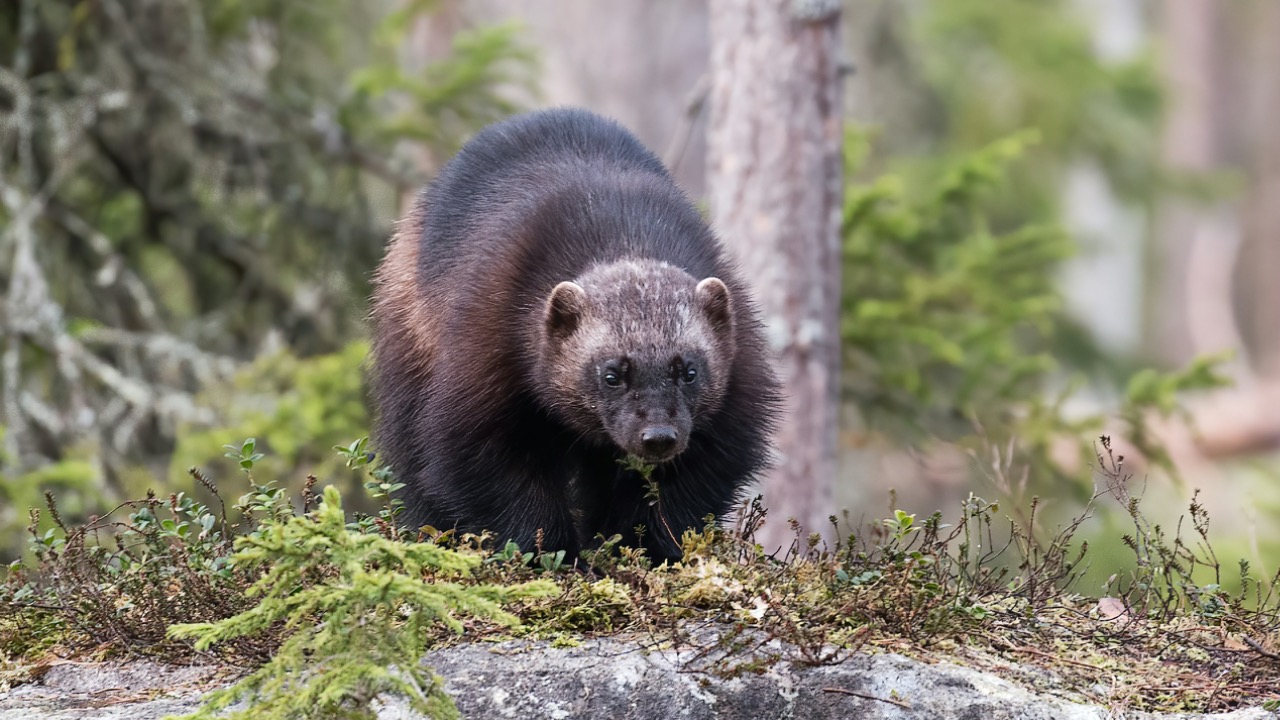
The wolverine has a reputation in the North Country for a reason. Pound for pound, few mammals show the same level of defiance. You can crowd one, trail one, or pressure one, and instead of bolting, it may turn, bristle, and let you know the conversation has changed.
They’ve been documented driving off wolves and defending carcasses far larger than themselves. It’s not reckless behavior—it’s survival in harsh country where backing down can mean losing a hard-earned meal. When a wolverine plants its feet, it’s betting that intimidation will work. More often than not, it does.
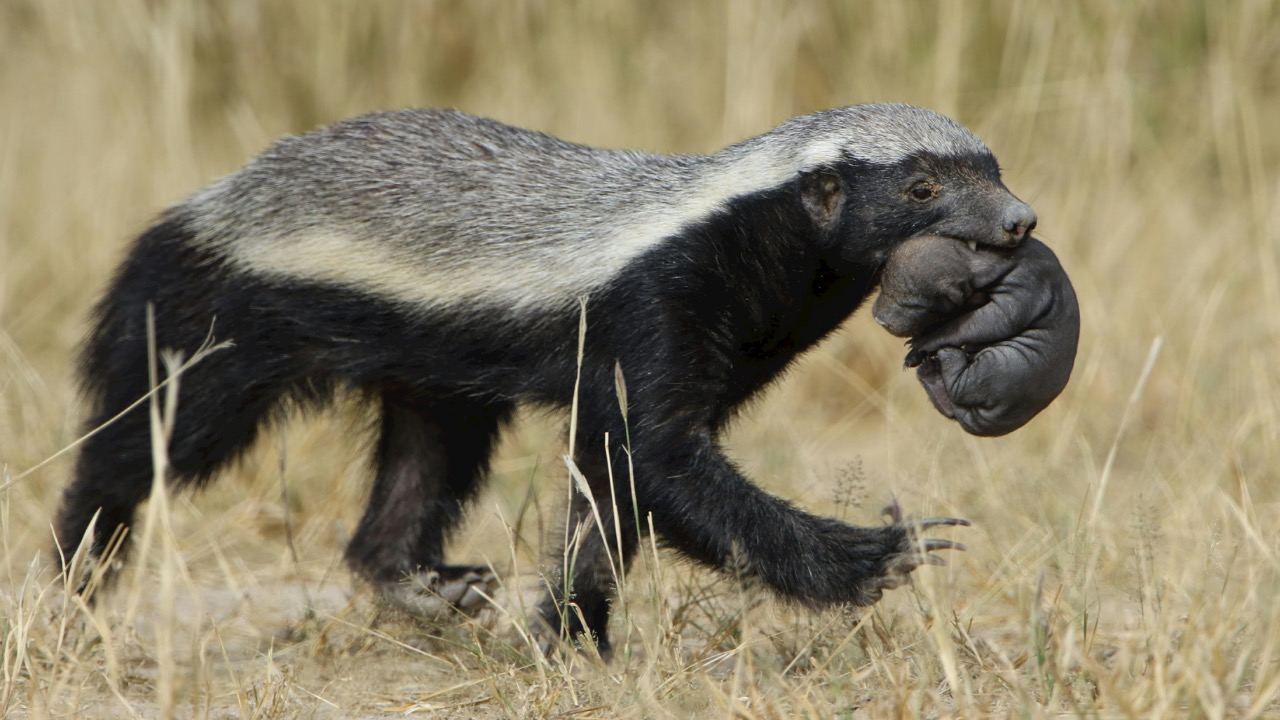
Honey Badger
If you’ve spent time in Africa, you’ve heard stories about the honey badger. Small frame, thick skin, and an attitude that seems permanently set on confrontation. When threatened, it doesn’t posture for long—it engages.
Lions, hyenas, even venomous snakes have learned that tangling with a honey badger can cost more than it’s worth. Their loose skin helps them twist and bite even when grabbed. It’s not size that keeps them in the fight. It’s durability and a willingness to escalate when pressured.
Cape Buffalo
In parts of Africa, the Cape buffalo is widely considered one of the most dangerous game animals on the continent. Wound one, corner one, or surprise one in thick cover and it often won’t flee—it’ll square up.
They’re herd animals, but even alone, a bull may charge instead of retreat. Their size, heavy bosses, and unpredictable temperament make them especially dangerous when pressured. Hunters who’ve tracked them will tell you: when a buffalo decides to stand, you’d better be ready.
Musk Ox
In the Arctic, the musk ox survives brutal winters and constant predator pressure. Its primary defense isn’t speed. It’s formation. When wolves approach, musk oxen form a tight circle with horns facing outward and calves protected in the center.
They hold that line. They don’t scatter unless panic breaks the formation. That collective stand-off approach has worked for thousands of years in open tundra where running isn’t always an option. It’s a cold, calculated refusal to yield ground.
American Badger
Cross paths with an American badger at close range and you’ll see the shift happen. They don’t look imposing at first glance, but when threatened, they flatten low, bare teeth, and prepare to fight.
Their digging strength is unmatched for their size. If escape underground isn’t possible, they’ll stand and defend themselves aggressively. Coyotes and even larger predators give them space for a reason. That attitude makes them one of the scrappiest mammals in North America.
Wild Boar
Feral hogs don’t always run. In heavy cover, especially when wounded or protecting piglets, a wild boar may pivot and charge. It’s quick, low to the ground, and armed with cutters capable of serious damage.
Boars rely on aggression as a defense strategy. Pressure them in tight quarters and you may find yourself dealing with an animal that decided retreat wasn’t happening. Anyone who’s hunted hogs long enough has a story about one that turned the tables in a heartbeat.
Cassowary
The cassowary is a large flightless bird native to Australia and New Guinea, and it has no interest in backing down when cornered. With powerful legs and dagger-like inner claws, it’s built to defend itself decisively.
Most encounters happen when the bird feels trapped or when people approach too closely. Instead of fleeing, it may kick with surprising force. That defensive posture, combined with size and speed over short bursts, makes it one of the few birds you genuinely don’t want to pressure.
Wolverine Frog
The wolverine frog of Central Africa earned its nickname through behavior that borders on shocking. When threatened, it can break bones in its own toes, forcing sharpened bone fragments through the skin to act as claws.
It doesn’t rely on speed. It relies on pain tolerance and counterattack. For such a small amphibian, that willingness to escalate makes predators reconsider. It’s a reminder that standing your ground doesn’t always look the way you expect.
African Porcupine
The African porcupine doesn’t chase trouble, but it doesn’t run blindly either. When threatened, it rattles its quills, stamps, and may even reverse into a predator.
Those long, sharp quills detach easily and can embed deeply. Lions and leopards have suffered severe injuries from underestimating one. The porcupine’s strategy is direct: make the cost of attack so high that the threat backs off first.
Tasmanian Devil
The Tasmanian devil is smaller than many of its rivals, but it rarely yields a carcass without a fight. When threatened, it opens wide, vocalizes loudly, and snaps with surprising force.
Scavenging requires assertiveness, and devils evolved to defend meals against competitors. They posture hard and escalate quickly. Even larger animals hesitate when faced with that display. It’s not random aggression—it’s a survival tactic honed in tight ecological competition.
Moose
You might expect a moose to retreat given its size, but during rut or when a cow has a calf nearby, standing ground is common. Bulls especially may lower their heads and advance rather than move away.
They’re not predators, but they’re powerful and territorial during certain seasons. Hikers in northern forests learn quickly that a moose doesn’t need to charge far to make its point. When it decides you’re too close, it doesn’t always step aside.
Komodo Dragon
The Komodo dragon is an apex predator in its range, and it doesn’t spook easily. If confronted, it may hiss, widen its stance, and hold position instead of fleeing.
Armed with serrated teeth and powerful jaws, it relies on confidence in its size and weaponry. Smaller threats are ignored. Larger threats are evaluated. Retreat isn’t automatic. In its environment, holding ground often signals dominance.
Wolverines’ Cousin: The Fisher
The fisher, a member of the weasel family found in North American forests, has earned a reputation for toughness. Though smaller than many predators it encounters, it doesn’t hesitate to defend territory.
They’ve been known to prey on animals larger than themselves, including porcupines. When cornered, they snarl, lunge, and commit to the confrontation. It’s not common to see one, but if you do and you push it, you’ll see quickly that it’s not built to retreat easily.
Black Mamba
The black mamba prefers escape when possible, but when cornered, it stands tall, spreads its hood, and delivers repeated strikes with speed that’s hard to comprehend.
It doesn’t bluff lightly. That upright display is a final warning. Pressure it beyond that and it reacts decisively. In the wild, standing ground doesn’t always mean charging forward. Sometimes it means holding position and daring you to make the wrong move.
Mountain Goat
High above timberline, mountain goats survive in country where there’s often nowhere to run. When threatened on narrow ledges, they frequently face the danger head-on rather than attempt a risky escape.
Their horns are sharp, and their footing is nearly unmatched. They rely on that terrain advantage. Instead of yielding space, they defend it. In steep alpine country, ground is everything. A mountain goat understands that better than most animals alive.

Asher was raised in the woods and on the water, and it shows. He’s logged more hours behind a rifle and under a heavy pack than most men twice his age.