Army raises enlistment age again as recruitment pressure grows
You’ve probably noticed the shift already. The Army isn’t chasing the same pool of 18-year-olds it once relied on, and the numbers have been tight for a few years now. Recruiting shortfalls, a smaller eligible population, and competition from the civilian job market have all pushed leadership to rethink the rules.
One of the clearest moves has been raising the enlistment age again. The United States Army isn’t doing it for optics—it’s a practical adjustment to keep ranks filled. When you widen the age window, you’re pulling in people with different life experience, different expectations, and a different kind of value. Here’s how that decision plays out on the ground.
Older Recruits Bring Real-World Experience
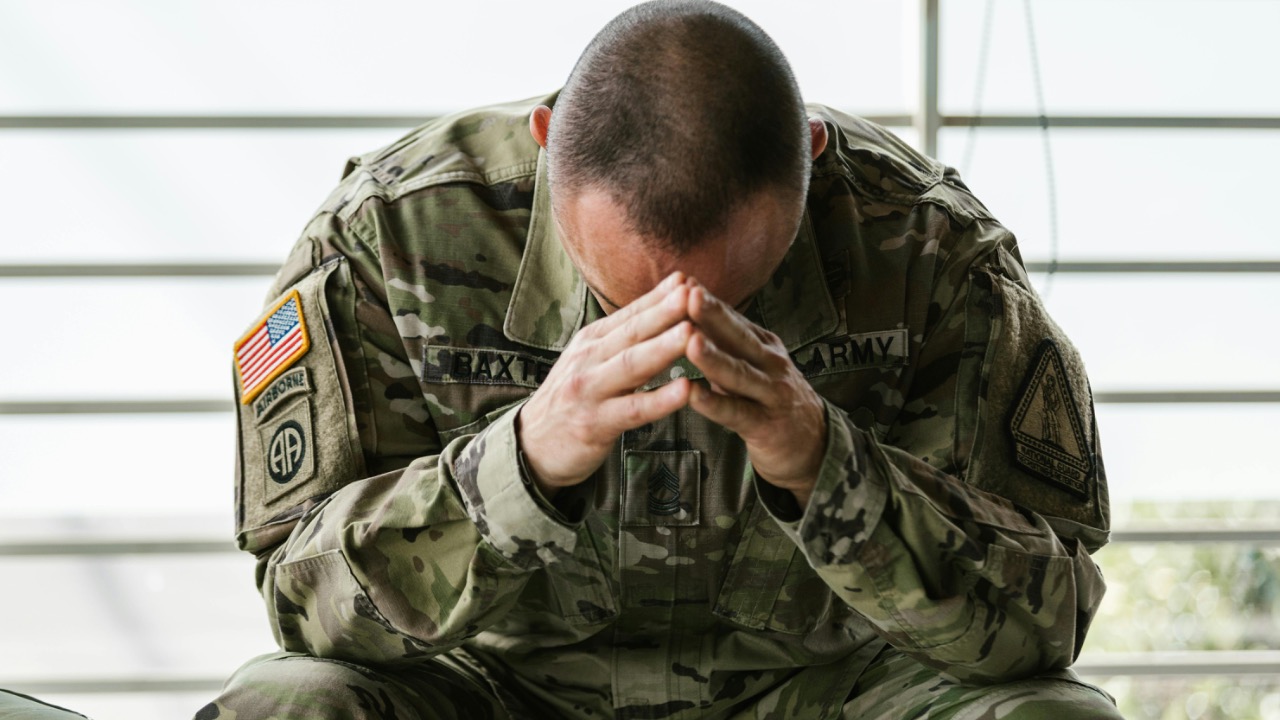
When you raise the enlistment age, you’re not getting the same recruit profile. You’re bringing in people who’ve held jobs, paid bills, maybe raised families. That changes the dynamic right away.
You’ll see more maturity in how they handle stress, follow instructions, and work within a team. They’ve already been tested in ways younger recruits haven’t. That doesn’t make them better across the board, but it does mean they often require less hand-holding. The Army benefits from that stability, especially in support roles and technical fields where life experience carries weight.
Physical Standards Don’t Move, Even If Age Does
The standards haven’t been lowered to make this work. If you’re older and signing up, you still have to meet the same physical requirements as everyone else walking into basic training.
That creates a natural filter. Not everyone in their 30s or early 40s is going to pass those tests, and the Army knows it. What it’s betting on is that enough candidates in that age range are still fit and capable. For those who are, the expectation is clear—age doesn’t buy you leniency. You’re expected to keep up, plain and simple.
Recruiting Pressure Is Driving the Change
This didn’t happen in a vacuum. The United States Army has missed recruiting targets in recent years, and it’s been a consistent problem.
A smaller percentage of young Americans qualify for service due to medical, legal, or educational reasons. On top of that, private sector jobs are competing hard for the same people. Raising the enlistment age is one way to expand the pool without lowering standards. It’s a numbers move, but it’s also a recognition that the old recruiting model isn’t holding the way it used to.
Career Flexibility Is Becoming More Important
Older recruits aren’t looking at the Army the same way an 18-year-old does. They’re thinking about career changes, stability, and long-term benefits.
That’s pushed the Army to highlight job training, transferable skills, and education incentives more than ever. When you’re talking to someone in their 30s, the pitch has to land differently. It’s less about adventure and more about direction. The service is adjusting how it presents itself, because the audience has changed.
Training Environments Are Adapting
Mixing younger and older recruits in the same training pipeline changes the tone. Drill instructors still run a tight operation, but they’re dealing with a wider range of personalities and experience levels.
Older recruits tend to approach training with a different mindset. They’re often more focused, less reactive, and more aware of what’s at stake. That can raise the bar for everyone else in the group. At the same time, it can create friction if expectations don’t line up. Training hasn’t gotten easier—it’s gotten more layered.
Retention Could See a Boost
One of the quiet advantages of older enlistees is retention. People who join later in life often have a clearer sense of why they’re there.
That tends to translate into fewer early dropouts and a steadier commitment to finishing contracts. They’ve already tested other paths, and they’re making a more deliberate choice. For the Army, that matters. Recruiting is expensive. Keeping trained soldiers in uniform longer helps offset the effort it takes to bring them in.
Waivers and Exceptions Are Still Limited
Raising the enlistment age doesn’t mean opening the floodgates. The Army still applies strict screening when it comes to medical history, legal issues, and overall eligibility.
Older applicants are more likely to need waivers, and those aren’t guaranteed. Each case gets looked at individually, and many don’t make it through. The policy shift expands opportunity, but it doesn’t erase the standards that define who can serve. If anything, it reinforces them by making sure every recruit—regardless of age—meets the mark.
The Long-Term Impact Is Still Unclear
You’re looking at a change that solves an immediate problem, but the long-term effects are still taking shape. Bringing in older recruits could shift culture, performance trends, and career timelines.
The United States Army is adapting in real time, adjusting policies as results come in. Some of it will stick, some of it may get reevaluated. What’s clear is that recruiting isn’t what it used to be, and the Army is moving to meet that reality head-on.

Asher was raised in the woods and on the water, and it shows. He’s logged more hours behind a rifle and under a heavy pack than most men twice his age.