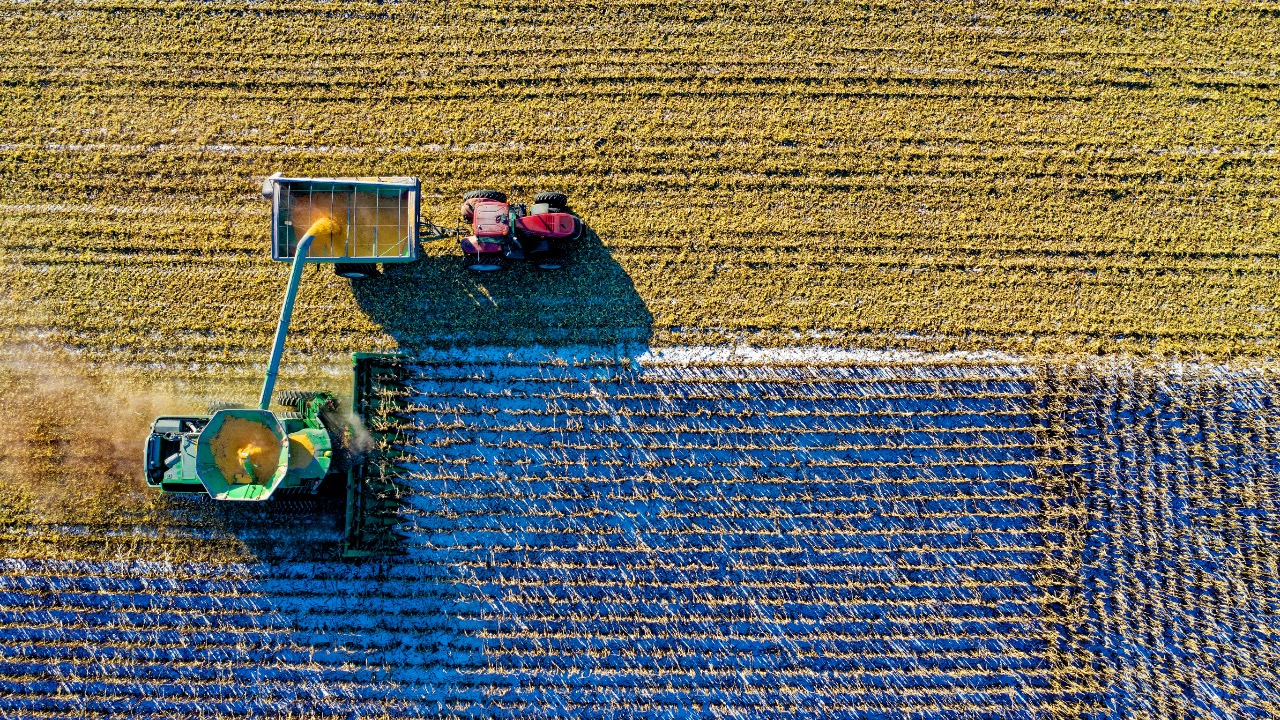
How agriculture is adapting to energy demands
Out in the fields, the energy story is changing fast. Diesel, fertilizer, and grid power still keep most farms running, but pressure from climate change, volatile fuel prices, and new technology is forcing a rethink of how food and energy fit together. Agriculture is no longer only a big energy user, it is slowly turning into a key player in how we produce and manage power.
Across row-crop country, ranchland, and high-tech greenhouses, producers are experimenting with everything from solar pumps to electric tractors and data-driven irrigation. The goal is straightforward: keep yields and livelihoods intact while cutting costs and emissions in a world where energy is getting more expensive and less predictable.
The new energy math on the farm

For a long time, most growers treated fuel and electricity as fixed costs, like seed or property tax. That mindset is harder to defend now that energy is one of the biggest swing factors in a farm budget and a major driver of emissions. Detailed tracking of field operations shows how much power is tied up in tillage, irrigation, grain drying, and fertilizer, with national indicator work documenting how crop production depends on both direct fuel and indirect energy in inputs such as nitrogen and pesticides through tools like energy use. When diesel spikes or fertilizer plants shut down, the hit to margins is immediate.
At the same time, agriculture is sitting in the crosshairs of climate risk and climate policy. Analysts who look at farm productivity and environmental performance have been warning that weather extremes and shifting seasons will keep reshaping yields, while the sector is also expected to cut its own footprint, as laid out in federal energy and climate assessments. That double bind is pushing producers to treat energy not as a background cost but as a strategic variable they can manage, hedge, and in some cases even sell.
Why energy demand in agriculture is climbing
Energy use on farms is not standing still, it is climbing as operations mechanize, irrigate more acres, and add technology. In many regions, more pumping for water, more controlled storage, and more automation are driving up electricity demand, a trend that policy analysts have flagged while exploring solutions for rising farm power needs. Even where fuel use per bushel has improved, total consumption can grow when farms scale up equipment and run more passes across bigger fields.
There is also a structural shift in how energy is used. Classic breakdowns of farm energy show a mix of direct use in tractors, combines, and irrigation engines and indirect use in manufactured inputs, as summarized in long-running climate change and resource studies. As growers adopt more controlled environment systems, cold chains, and precision tools, they trade some diesel for electricity and data, but the total energy bill often stays high unless they deliberately chase efficiency.
From fossil dependence to cleaner power
Most of the food system still runs on fossil fuels, from the natural gas that feeds fertilizer plants to the diesel that hauls grain and livestock. Global assessments of agri-food systems point out that Agricultural food systems rely heavily on fossil energy, which drives emissions all along the chain from field to processing plant. That dependence leaves farmers exposed when fuel markets swing or when policies tighten around carbon.
In response, more producers are looking at ways to swap out at least part of that fossil load for renewables and smarter management. Guidance on the sustainable production and use of on-farm power highlights how solar, wind, and biomass can be integrated into cropping and livestock systems, with Sustainable Production and Farm Energy materials stressing that high and fluctuating energy costs have already pushed many operations to rethink their setup. The shift is not only about emissions, it is about resilience when the next fuel shock or grid outage hits in the middle of harvest.
On-farm renewables and the rise of the “prosumer”
One of the biggest changes I see on the ground is the number of farms that now produce power as well as food. Roofs and machine sheds carry panels, marginal corners host small turbines, and some operations are feeding biogas into local systems. Technical guidance on using solar or wind energy on farms emphasizes how these systems can cut purchased electricity and reduce fossil fuel emissions while still fitting around cropping schedules.
Policy work on Net Zero Innovations for Land, Use and Agriculture goes further, describing how building on-site renewable energy can reduce emissions and boost productivity, while warning that siting and land use have to be carefully thought out, as laid out in guidance on on-site renewable projects. Researchers now describe agriculture as an emerging “prosumer” in the energy system, with one review noting that although the share of agriculture in direct energy consumption is relatively small, today’s producers are increasingly generating and managing power, a point spelled out in work titled Although the. That shift changes how farms interact with utilities, lenders, and neighbors who may share or buy that energy.
Efficiency, regenerative practices, and soil-first thinking
Not every solution involves a new gadget on the yard. A lot of the cheapest energy gains come from how we manage soil, rotations, and field passes. Regenerative systems that cut tillage, keep living roots in the ground, and build organic matter can reduce fuel use and stabilize yields, which is why more producers are tying energy goals to soil health. Analysts looking at Energy Efficiency and argue that these practices can trim fossil fuels and heating costs while improving resilience.
On the agronomy side, adaptation guides talk about building greater moisture-holding capacity in soils by increasing organic matter and protecting fields from erosion, with recommendations under headings like Agricultural Adaptation that urge producers to build and protect soil. Those same practices often mean fewer passes with heavy iron, less pumping, and more stable yields in dry years, which is another way of saying they are energy strategies as much as conservation moves.
Electrification, smart equipment, and the agricultural energy Internet
Out in the equipment shed, the shift is just as visible. Electric drivetrains, battery storage, and smarter controls are starting to creep into tractors, loaders, and utility vehicles. Analysts looking at Electric vehicles in agriculture note that EVs are now offered with the durability, range, and charging options to handle field work, opening new avenues for sustainability and innovation on the farm.
Behind that hardware is a growing web of sensors, controls, and data links that some researchers call the agricultural energy Internet. Technical work on key technologies and applications of this system explains how state-of-the-art new-energy agricultural intelligent equipment is monitored and optimized, with Sep research stressing that coordinated control is an essential feature of the AEI. Another study on the energy-agriculture nexus highlights how artificial intelligence can optimize planting, harvesting, and energy consumption in autonomous equipment, noting that One such use results in minimum resource waste and lower power draw. Put simply, smarter machines are learning to sip energy instead of guzzling it.
Indoor farming, controlled environments, and power-hungry precision
While most acres are still outdoors, a growing slice of high-value crops is moving inside. Controlled environment agriculture, from glass greenhouses to windowless plant factories, uses light, climate control, and automation to grow food in places and seasons that used to be off limits. A recent analysis describes how Cultivating crops in mechanized greenhouses and plant factories can drive yields but also concentrates energy demand in lighting and HVAC systems.
That shift raises hard questions about where the power comes from and how efficient these systems can get. Work on sustainable development in agriculture lays out core principles in a table labeled 3.1, with columns for Sustainable, Principle, Description, and Ref that stress resource efficiency and environmental limits. Indoor growers are under pressure to match those principles by pairing their operations with renewables, storage, and tight energy management so that the lettuce or berries they produce do not come with an outsized carbon tab.
Policy, data, and the push for resilient energy systems
None of this happens in a vacuum. Governments and research agencies are reshaping incentives, data tools, and risk models to steer agriculture toward cleaner, more reliable power. International climate and energy work argues that Establishing a resilient and dependable energy system through diversified RES can make systems less sensitive to sudden market changes and rising energy costs for farmers, which is a polite way of saying that betting everything on diesel is a risky play.
On the information side, detailed Data provided by the USDA ERS underpin models of how greenhouse gas mitigation affects drought impacts, while broader publications catalog how energy prices, technology, and climate interact with farm profitability. Earlier survey work on agriculture’s supply and demand for energy products documented how farmers adjusted which commodities to produce and how much of each to grow in response to fuel markets, with the survey noting that agriculture has always used energy both directly and indirectly through inputs such as fertilizers and pesticides. Those lessons are shaping new programs that reward efficiency and low-carbon choices.
Practical adaptations farmers are already using
For all the talk of systems and policy, the real test is what happens on actual farms. Around the world, producers are tweaking planting dates, switching varieties, and changing rotations to match shifting weather and energy realities. One review of farmer behavior lists concrete steps, noting that Examples of adaptation include adjustments in planting dates, crop varieties, and soil management to maintain yields and soil fertility under climate stress.
On the energy side, many producers are already adopting high-efficiency irrigation, experimenting with drought-tolerant crops, and exploring niche markets that fit their conditions, as described in reports on how Oct Farmers are adapting to climate change. Some are installing small-scale solar for pumps and fences, others are using biogas from manure to heat barns. Case studies on Introduction to renewable energy production on farms walk through options like Biomass, noting that According to the Union of Concerned Scientists, Tripling U.S. use of biomass for energy could provide a significant share of power while supporting rural economies. Those are not abstract ideas, they are decisions producers are making as they weigh payback periods and risk.
Electricity access, clean power, and the future of rural resilience
In wealthier farm regions, the conversation is about how to clean up and stabilize energy. In lower income areas, the first hurdle is getting reliable power at all. Stories from smallholders make it clear that Electricity Important in Agriculture is not a slogan, it is the difference between hand labor and mechanization, between losing milk to spoilage and running a cooler. As one account of How Electricity in Agriculture Powers Progress explains, electricity supports modern farming technologies that raise incomes and food security.
Global climate and food initiatives are trying to bridge that gap by steering support toward clean power on farms. One program notes that Overview assessments show Agricultural and food systems consume about 30 percent of the world’s energy and that Emissions within the farm gate account for a large share of agricultural greenhouse gases, which is why they promote solar pumps, efficient motors, and low-carbon fuels. Climate scientists looking at the Future of farming warn that more frequent extremes will keep testing these systems, while governance experts argue that more land must be effectively protected for biodiversity conservation. In that world, the farms that manage energy well, from Chapter 2: Energy for Agriculture guidance on Entry Levels for Interventions to the kind of regenerative and renewable strategies Collard praises when saying a lot of farmers are adopting regenerative practices and moving toward on-farm renewables in Collard, will be the ones that keep producing when the grid flickers or the fuel truck is late.

Asher was raised in the woods and on the water, and it shows. He’s logged more hours behind a rifle and under a heavy pack than most men twice his age.