Attacks in the Strait of Hormuz shake global shipping routes
Attacks on merchant ships in the Strait of Hormuz have rapidly turned a long‑running geopolitical flashpoint into a direct threat to the arteries of global trade. What began as a regional confrontation involving Iran, the United States and Israel is now forcing shipowners, energy markets and even small exporters to rethink how goods move between the Gulf and the rest of the world.
The narrow waterway that links the Gulf to the Arabian Sea has long been a strategic chokepoint. Over the past month it has become a shooting gallery for tankers and container ships, with insurance costs soaring and some routes grinding to a halt.
The attacks that ignited the crisis
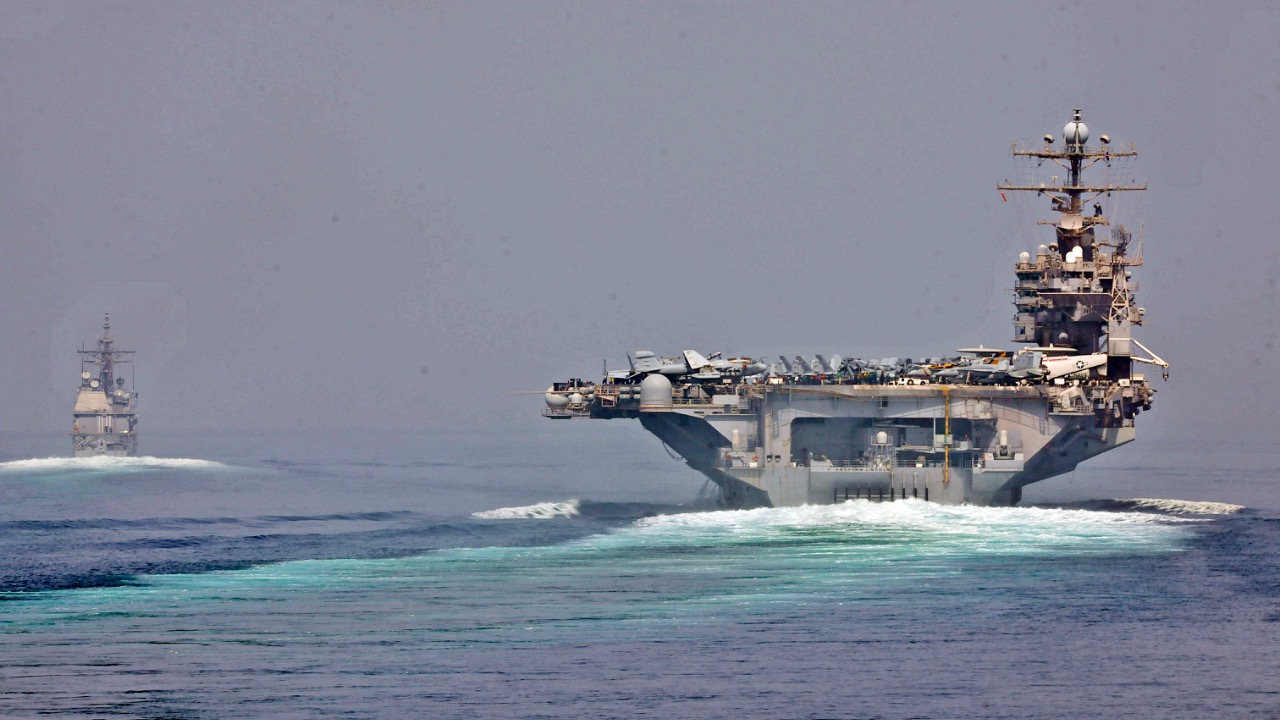
Maritime security agencies report that three vessels have been hit by unknown projectiles while transiting the Strait of Hormuz, damaging hulls and forcing emergency diversions to safe anchorage. Several commercial vessels were struck in separate incidents in the same corridor, according to Several commercial vessels that reported being hit while moving between the Gulf and the Arabian Sea.
As of early March, at least 17 non Iranian merchant ships had already been attacked, according to maritime alerts that describe a pattern of strikes on tankers, container carriers and bulk ships. One photographic review counted at least 22 civilian ships targeted in roughly two weeks, illustrating how quickly the violence escalated into a campaign against commercial traffic.
From airstrikes to a near closure
The shipping turmoil followed a sharp military escalation. On February 28, US and Israeli forces struck Iran, and within 48 hours the Strait of Hormuz was effectively treated as closed to routine trade as navies assessed the risk of further retaliation. Analysts at one logistics advisory described how the Strait of Hormuz forced carriers to rip up sailing schedules and triggered emergency risk reviews in corporate boardrooms.
Commercial shipping activity through the Strait of Hormuz, one of the world’s most critical maritime corridors, slowed dramatically after that weekend, with some tracking services reporting traffic at a fraction of normal levels. Maritime agencies urged extreme caution and recommended that crews darken ships, increase speed and maintain maximum distance from Iranian territorial waters.
Iran’s mixed signals to global shippers
Iran has tried to frame its actions as calibrated pressure rather than a total blockade. Officials signaled at the United Nations that Iran tells UN that Non hostile ships can transit Strait of Hormuz Iran if they coordinate with Iranian authorities, a message amplified in social media posts that drew 955 interactions and highlighted Tehran’s bid to control which vessels move through the chokepoint.
At the same time, regional monitors report that Iran is reportedly requiring some vessels to pay a fee to transit the Strait of Hormuz, with Key Takeaways from intelligence updates warning that such payments could amount to a quasi‑toll regime under military pressure. Human rights advocates also say Iranian forces appear to have deliberately targeted at least two civilian ships, while President Trump has vowed continued operations and threatened overwhelming force if such attacks continue.
Oil, energy and the limits of workarounds
The Strait of Hormuz carries a large share of seaborne crude and liquefied natural gas from producers around the Gulf and the Arabian Sea to markets in Asia, Europe and the Americas, a role that makes it one of the most strategically sensitive spots on the global map alongside other narrow passages identified in global chokepoint assessments. The U.S. Energy Information Administration notes that while there are pipelines in Saudi Arabia and the UAE that can bypass the strait, they do not have enough capacity to replace the volumes that normally move through the channel, which also handles tugs, cargo ships and other vessels.
Crude prices have swung sharply as traders weigh the risk of prolonged disruption. Some cargoes have been rerouted via longer voyages around Africa, which adds weeks to transit times and drives up freight and insurance costs. For refiners in Asia that rely on predictable flows from the Gulf, the uncertainty has complicated hedging strategies and inventory planning.
Container lines scramble for alternatives
The Iran war has also shaken container shipping. Analysts describe the grounding of ships around the Gulf and the paralysis of the Strait as a shock that is forcing carriers to redirect services to alternative hubs, with some operators shifting calls to ports that sit outside the most exposed waters, according to how the Iran is reshaping routes to Brazil and African countries.
Forwarders say clients that usually chase discounts are now focused on securing any available capacity. One logistics manager described how in peacetime he jumps at the chance whenever shipping companies with spare capacity offer discounts in freight rates. In the current crisis, by contrast, he expects “extra fees” and is more concerned with simply getting containers to their destinations, as carriers redirect ships to safer ports such as the United Arab Emirates hub at Khor Fakkan, according to the global shipping industry accounts.

Asher was raised in the woods and on the water, and it shows. He’s logged more hours behind a rifle and under a heavy pack than most men twice his age.