Audie Murphy Was WWII’s Most Decorated U.S. Soldier — But the War Followed Him Home
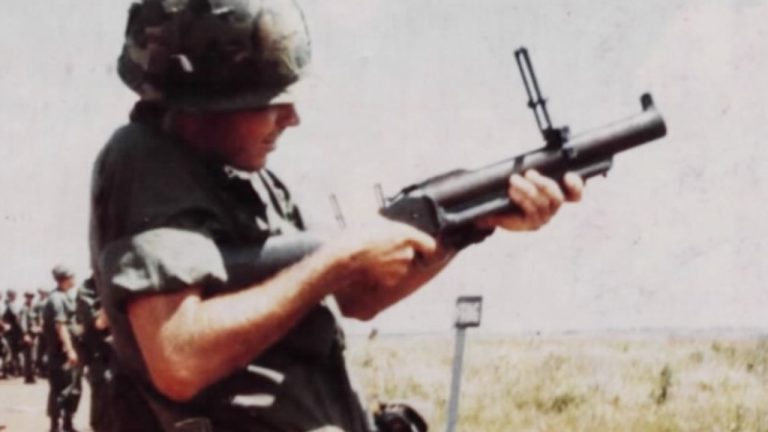
Few American soldiers came home from World War II with the kind of battlefield record that followed Audie Murphy. Born into poverty in Texas, Murphy lied about his age to enlist and eventually became the most decorated U.S. combat soldier of the war. His bravery earned medals that told only part of the story. Behind the public hero image was a young man who saw far more violence than most people can imagine in a lifetime.
People tend to remember the medals and battlefield heroics. What gets talked about less is how war reshaped Murphy’s life after he returned home. Like many combat veterans, he carried memories that wouldn’t stay buried in the past.
Childhood Hardship Shaped His Will to Fight

Murphy grew up during the Great Depression in rural Texas, helping his family survive by hunting small game. Poverty forced him into adulthood early, and responsibility came before education or comfort. His father left the family, and Murphy worked fields to help feed his siblings. Those experiences hardened him in ways that later showed up in combat.
When war came, military life felt familiar in a strange way. Hunger, uncertainty, and survival instincts were already part of his childhood. That background helped explain his fearlessness under fire. Many soldiers found courage during training; Murphy seemed to carry it long before he ever reached Europe.
His Medal Record Was Almost Unbelievable
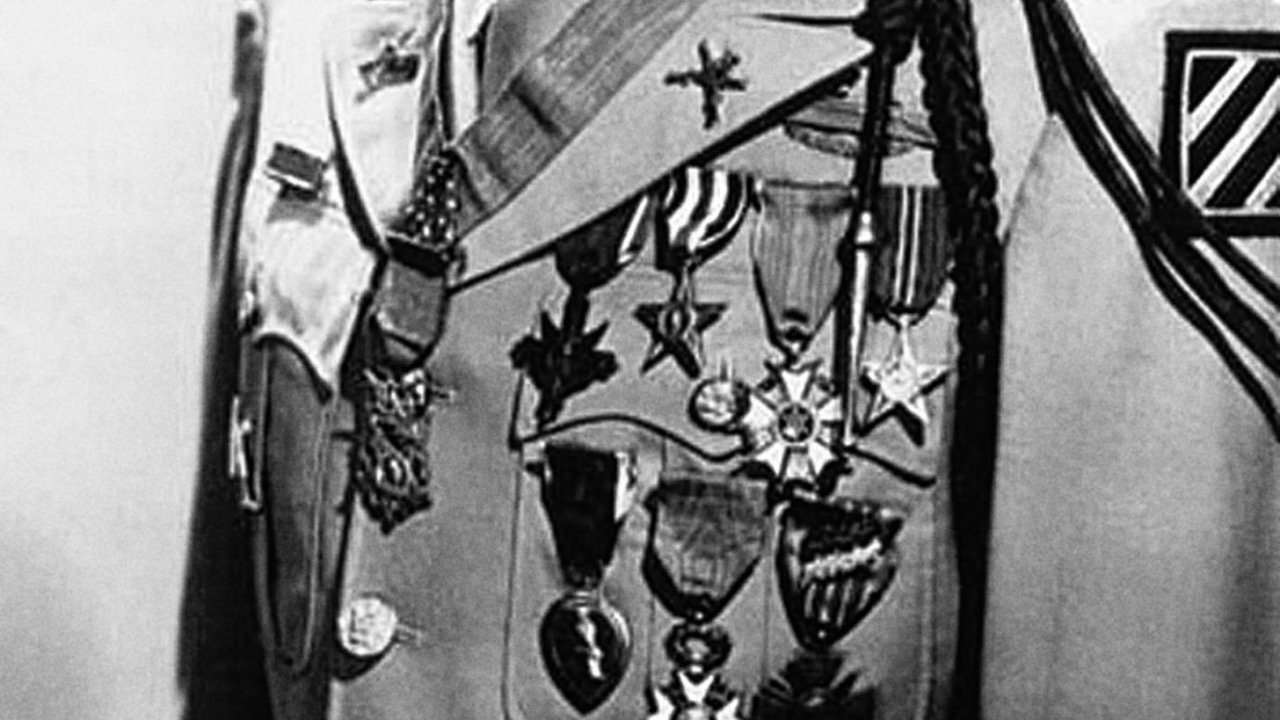
Murphy earned nearly every major American combat decoration available during World War II. His heroism during the Battle of Holtzwihr in France became legendary. Despite being wounded, he climbed onto a burning tank destroyer and used its machine gun to hold off advancing German troops alone.
That single action stalled an enemy assault and saved his unit. His citation described exceptional bravery under overwhelming fire. Soldiers who fought beside him often said Murphy behaved like someone who didn’t believe he had the option to retreat. The military later credited him with helping turn several battlefield engagements in the Allies’ favor.
The Return Home Was Not What People Expected
When Murphy returned to the United States, crowds treated him like a national symbol. Movie studios wanted his story. He eventually became an actor and appeared in Western films that reflected his military background. But public admiration didn’t mean inner peace.
Murphy struggled with nightmares and emotional stress that were not widely discussed at the time. Postwar America didn’t have much language for what we now recognize as combat trauma. Friends noticed he slept little and stayed restless. Fame gave him work, but it didn’t remove memories of battlefields where survival depended on split-second decisions and constant danger.
He Spoke Openly About Combat Stress Before It Was Normal
Murphy was unusually direct about the psychological cost of war. At a time when many veterans stayed silent, he talked about how combat affected sleep, mood, and behavior. He even supported early conversations about veteran mental health.
His autobiography and interviews described the emotional weight of killing in battle. He didn’t present war as glorious without consequence. Instead, he spoke like someone who had seen both courage and tragedy up close. That honesty helped younger veterans feel less isolated during a period when psychological trauma was rarely acknowledged by the public.
Financial Struggles Followed Him Despite Fame
Despite being one of America’s most decorated soldiers, Murphy did not become financially secure immediately after the war. Acting roles were sometimes inconsistent, and he invested money poorly in early business ventures.
The entertainment industry capitalized on his war hero image, but steady income was not guaranteed. Murphy eventually faced tax and financial difficulties later in life. This contrast between public admiration and private instability was common among veterans who returned to civilian society expecting normal life but found unpredictable careers and economic pressures instead.
His Death Reflected a Life Marked by War
Murphy died in 1971 in a plane crash in Virginia. He was buried at Arlington National Cemetery with full military honors. The ceremony reflected national respect for his service, yet many who studied his life saw his story as more complex than battlefield heroism alone.
The war shaped how he lived, worked, and carried himself long after 1945. Friends and historians have often said Murphy’s greatest struggle wasn’t combat itself but living in peace after witnessing so much violence. His legacy remains a reminder that courage in war doesn’t always bring comfort when the fighting stops.
Why Murphy’s Story Still Matters Today
Murphy’s life reflects the reality that heroism and trauma often travel together. Modern discussions about veteran care frequently reference experiences like his. Today, military psychology and post-service support systems exist partly because earlier generations endured silence.
People remember Murphy for bravery, but his story also speaks to resilience after combat. His willingness to talk about emotional scars helped open conversations that were once considered taboo. Even now, his life stands as a reminder that war produces not only heroes, but also human beings who must rebuild themselves when the battlefield disappears.

Asher was raised in the woods and on the water, and it shows. He’s logged more hours behind a rifle and under a heavy pack than most men twice his age.