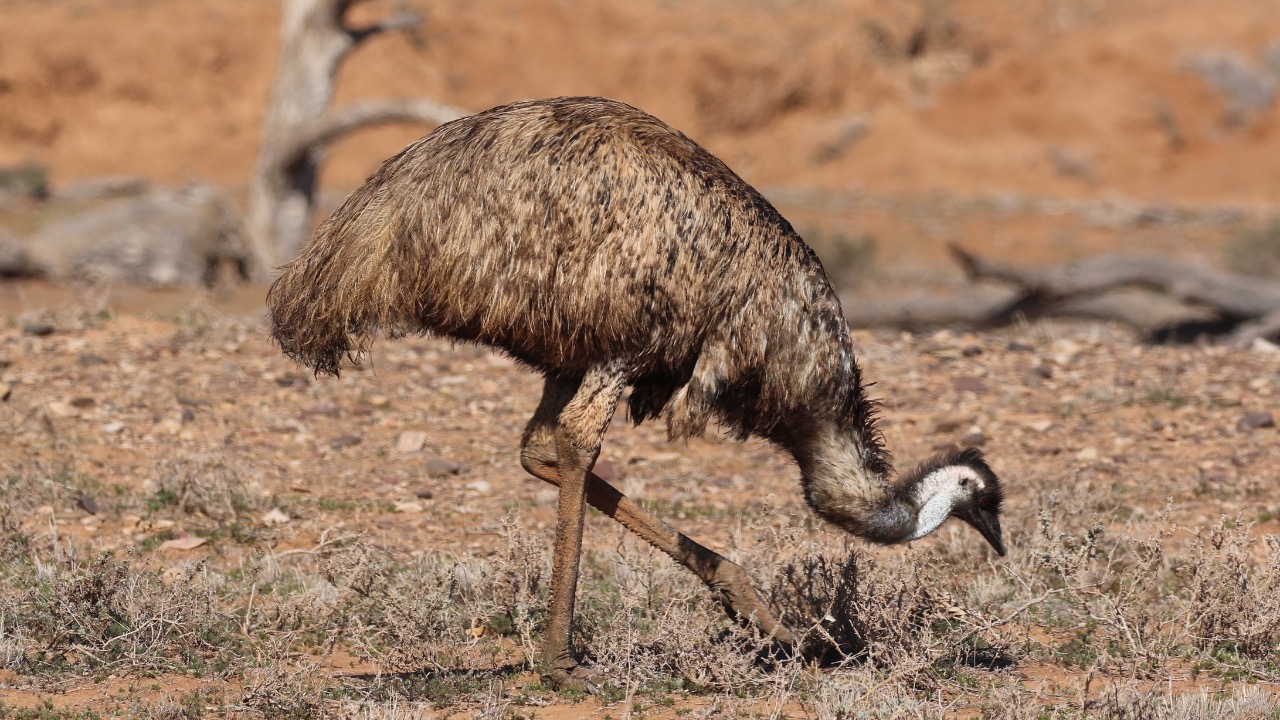
Australia Once Declared War on 20,000 Emus — and the Birds Won
In one of the most unusual military operations in modern history, Australia once deployed soldiers with machine guns to combat tens of thousands of large flightless birds known as emus. The conflict, which took place in the early 1930s, has since become famous as the “Emu War”—a rare case where wildlife proved surprisingly difficult to defeat.
The event occurred in Western Australia during a period of agricultural crisis following World War I. Farmers struggling with drought and economic hardship found their crops being devastated by large flocks of emus migrating inland in search of food and water.
A Military Response to an Unlikely Problem
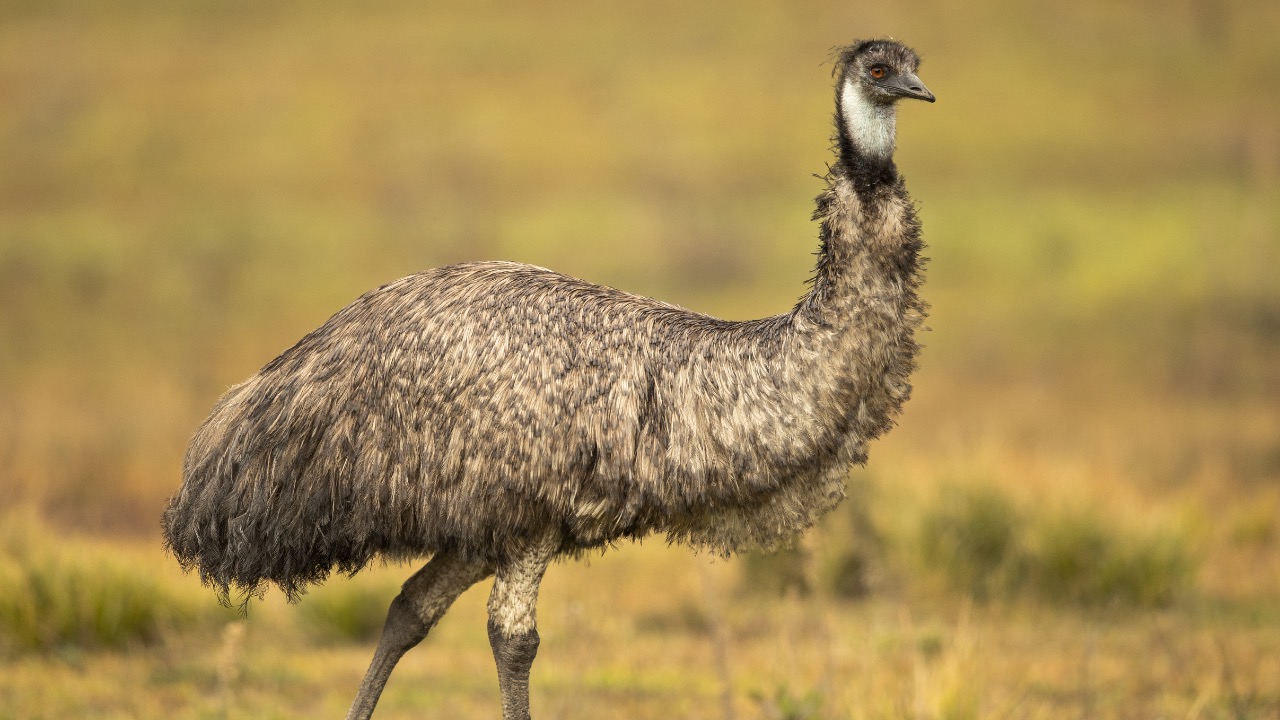
In 1932, the government authorized a military operation to help farmers deal with the growing emu population. Soldiers from the Australian army were deployed with Lewis machine guns and ammunition, expecting a relatively straightforward pest control mission.
However, the emus quickly proved to be far more resilient and difficult to target than expected. The birds were fast, highly mobile, and often scattered into small groups, making coordinated fire ineffective.
The Birds Outmaneuver the Military
According to historical accounts, the emus’ behavior played a major role in the operation’s failure. Instead of staying in large concentrated groups, they split into smaller flocks and moved unpredictably across the landscape. Their speed and agility across rough terrain made them difficult targets even for trained soldiers.
Reports from the time suggest that many rounds were fired with limited success, and in several engagements, the birds simply outran or dispersed away from the attack.
Operation Scaled Back After Limited Results
After several weeks of effort, the military operation produced far fewer results than expected. Despite significant ammunition expenditure, only a small number of emus were confirmed killed relative to the estimated population.
Public criticism and logistical frustration led to the operation being scaled back. The military eventually withdrew, and farmers were left to continue dealing with the emus using non-military methods such as fencing and bounty programs.
Why the “Emu War” Became Famous
The incident has since become a widely discussed example of an unconventional conflict between humans and wildlife. While often retold with humor, historians note that the situation reflected real economic hardship for farmers and the challenges of managing wildlife in agricultural regions.
The story also highlights the limits of conventional military tactics when applied to unpredictable environmental problems. The emus, though unintentionally, demonstrated how adaptability and terrain familiarity can outweigh firepower in certain situations.
A Lasting Symbol of Unlikely Defeat
Today, the Emu War is frequently cited in popular culture as a bizarre but true historical event. It stands as a reminder that not all conflicts follow expected outcomes—and that nature does not always respond to human strategies in predictable ways.
Despite its unusual nature, the event remains part of Australia’s historical record, blending ecology, agriculture, and military history into one of the most surprising chapters of the 20th century.

Leo’s been tracking game and tuning gear since he could stand upright. He’s sharp, driven, and knows how to keep things running when conditions turn.