‘Back to the Future’ star passes away at 89 as tributes pour in
Matt Clark, the veteran character actor cherished by fans of Back to the Future, has died at the age of 89 at his home in Texas. Best known to many as Chester the bartender in Back to the Future Part III, he also built a long career in Westerns and television that stretched across decades. As news of his death spread, co-stars, filmmakers, and devoted fans shared tributes to a performer who quietly helped define an era of American film and TV.
Final days in Texas and cause of death
Clark died earlier this week at his home in Austin, Texas, where he had been recovering from back surgery and facing related complications. Reports describe the 89-year-old actor spending his final days surrounded by family in the state where he had settled later in life, with loved ones emphasizing that he remained independent and clear about his wishes until the end. One detailed account of his final days notes that he had undergone the procedure in hopes of easing long-term pain, only for the complications to become too severe to overcome.
Family members have shared that Clark, who had already weathered the physical toll of a 50-year career on sets, approached the surgery with the same matter-of-fact resolve that marked his working life. According to those close to him, he made it clear that he wanted to remain at home in Texas rather than in a hospital whenever possible, a decision that shaped his final hours. Coverage of his passing has also stressed that he died peacefully and, in the words of relatives, on his own terms, a sentiment that has echoed through many of the public tributes.
Early reports on his death highlighted that the actor, who had worked steadily into his eighties, had not been dealing with a long public illness before the surgery. Instead, he remained a presence at fan events and reunions tied to Back to the Future Part III and his Western work. That relatively active final chapter has contributed to the shock among admirers who had recently seen him appear vibrant and engaged.
The Back to the Future Part III connection
For a generation of moviegoers, Clark will always be Chester the bartender in the 1990 time-travel Western Back to the Future Part III. In the film’s Hill Valley saloon, Chester pours drinks for Michael J. Fox’s Marty McFly and his Clint Eastwood persona, reacts to the futuristic stranger’s odd behavior, and provides comic punctuation during key scenes. Although the role is small on paper, Clark’s timing and weary warmth helped turn Chester into a fan favorite.
Accounts of his career emphasize that the Back to the Future Part III set gave him a chance to work alongside stars like Michael J. Fox and Christopher Lloyd while drawing on his deep experience in Western settings. He slipped into the dusty barroom with the ease of someone who had spent much of his life on similar backlots. That mix of familiarity and freshness is part of why fans in Back to the Future communities have been quick to share clips and stills of Chester in tribute.
In the days since his death, fan groups linked to the Hill Valley universe have posted memories of meeting Clark at conventions and screenings. One community that focuses on memorabilia from the trilogy marked his passing with a message that described him as a beloved face from Hill Valley and encouraged members to revisit his scenes in the third film. For many, the character’s dry reactions to time-traveling chaos now carry a bittersweet weight.
A long career in Westerns and character roles
While Back to the Future Part III introduced Clark to younger audiences, his résumé in Westerns stretches much further back. He appeared in films such as The Outlaw Josey Wales and other hit Western titles that defined the genre for movie fans in the 1970s and 1980s. Reports on his death have repeatedly described him as a Western films star and a longtime character actor, a label that reflects the breadth of his work across both cinema and television.
Coverage of his passing notes that he built a reputation as a reliable presence in Western and frontier stories, often cast as bartenders, ranch hands, lawmen, or world-weary townsfolk. Those roles rarely came with top billing, yet his face became instantly recognizable to viewers of classic Westerns on cable and home video. His work in projects like The Outlaw Josey Wales helped cement his status as a go-to performer whenever filmmakers needed someone who could inhabit the Old West without affectation.
Over time, Clark expanded beyond Westerns into contemporary dramas and comedies, but he never fully left the genre that had given him his start. Later in life he appeared in projects that nodded to that heritage, including a documentary about life in the West released in 2014, where he reflected on the craft of playing supporting roles. Friends and colleagues have recalled that he took particular pride in being known as a character actor rather than a conventional leading man, since it allowed him to disappear into a wider range of parts.
Family memories and “on his terms” farewell
Several accounts of Clark’s final days quote his family describing how he approached both his life and his death. One report cites relatives who said he “died the way he lived, on his terms,” a phrase that has quickly become a shorthand for the way admirers are remembering him. That line has appeared in coverage that focuses on his identity as a Western films star, with the implication that his stubborn independence mirrored the cowboys and barkeeps he often portrayed.
His wife and children have also confirmed that his death followed complications from back surgery, adding that he remained mentally sharp and engaged with them until very near the end. In one account, his wife recalls discussing his decision to undergo the procedure and his insistence that quality of life mattered more than fear of risk. Those close to him have emphasized that he made clear choices about his care and surroundings, which has given them some comfort in the aftermath.
Relatives have shared that Clark was proud of his 50-year career and the fact that he never fully retired, even as roles became less frequent. According to one detailed obituary, he often joked that character actors do not get retirement parties, they simply keep working until the phone stops ringing. That wry perspective has resonated with colleagues who saw him treat every job, no matter how small, as an opportunity to do honest work.
Cast reunions and late life appreciation
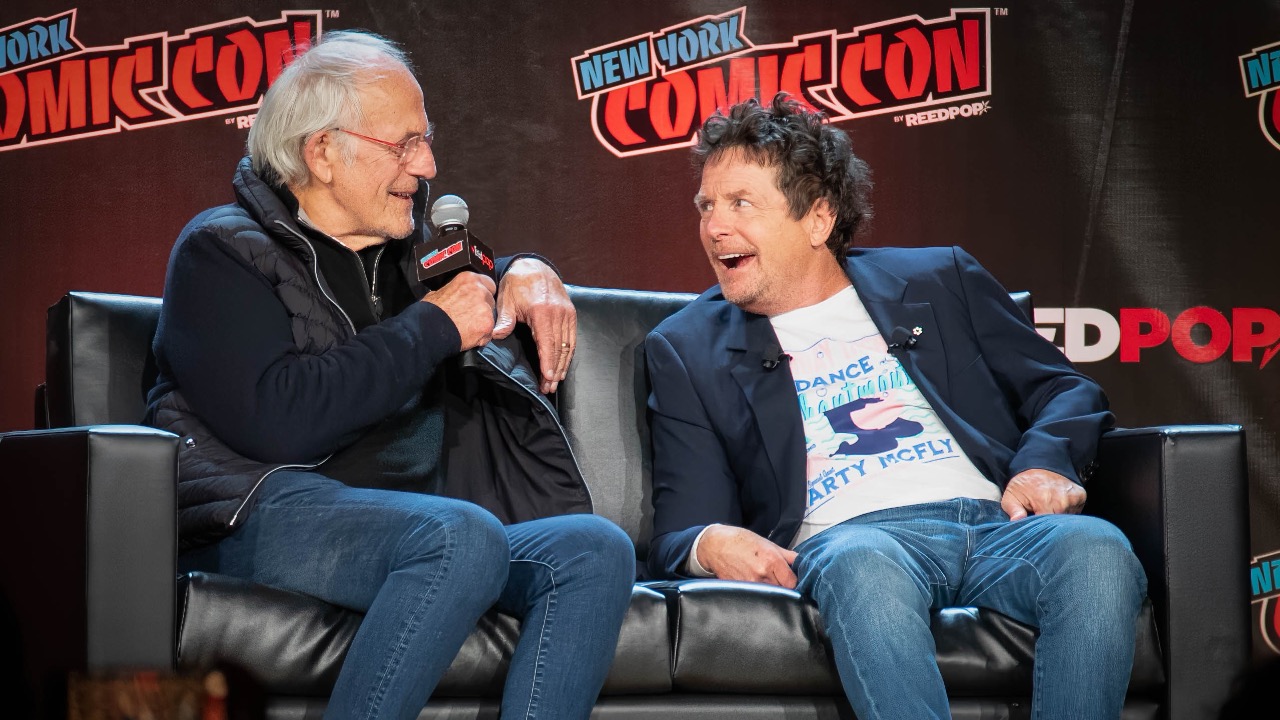
In a poignant twist, Clark had recently experienced a surge of appreciation from Back to the Future fans before his death. Earlier this year he took part in an emotional reunion tied to Back to the Future Part III, where he reconnected with members of the cast and creative team. According to his family, he traveled to the event despite lingering physical issues because he cherished the chance to meet fans and revisit the film that had given him enduring recognition.
One detailed report on that reunion notes that Clark joined a question-and-answer session where he spoke about playing Chester the bartender and about the experience of stepping into the Back to the Future universe after years in traditional Westerns. Attendees recall him being moved by the standing ovation he received and by the number of younger fans who knew him only from the third film. For an actor whose career often unfolded just outside the spotlight, that late-life celebration carried special meaning.
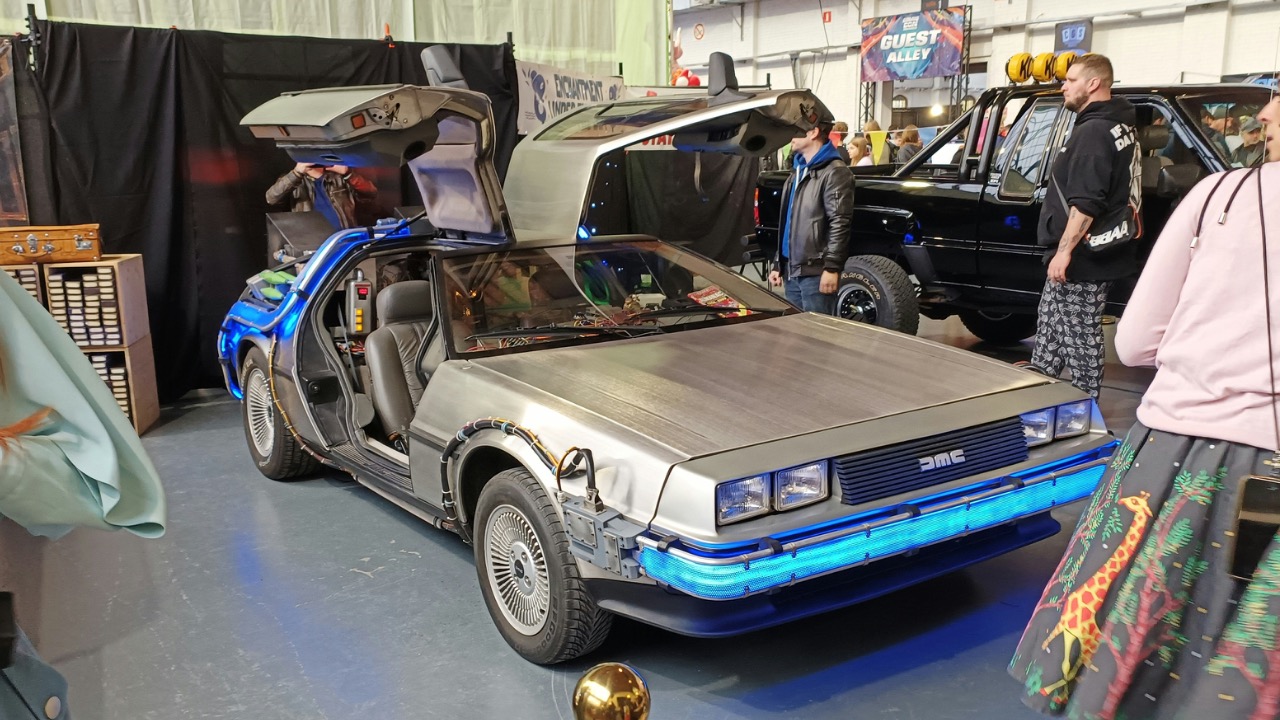
Friends have said that the reunion helped remind Clark of the reach of his work, particularly among viewers who discovered Back to the Future Part III on streaming platforms and Blu-ray sets. It also provided some of the last widely shared photographs of him in public, smiling alongside castmates and posing with DeLorean replicas. Those images have resurfaced across social media in the wake of his death, often paired with quotes about his humility and professionalism.

Leo’s been tracking game and tuning gear since he could stand upright. He’s sharp, driven, and knows how to keep things running when conditions turn.