The Calibers That Hunters Regret Buying Most
Every hunter has bought a caliber that looked great on paper and disappointing everywhere else. Whether it was too soft for the job, too punishing to shoot well, or too hard to find ammo for when you needed it most, certain cartridges have a way of creating regret. A caliber doesn’t have to be unusable to be frustrating—sometimes it’s the quirks, the cost, or the performance gap between expectations and reality. If you’ve hunted long enough, you’ve likely bumped into one of these. Here are twelve calibers that tend to rack up the most buyer’s remorse in the hunting world.
.17 HMR
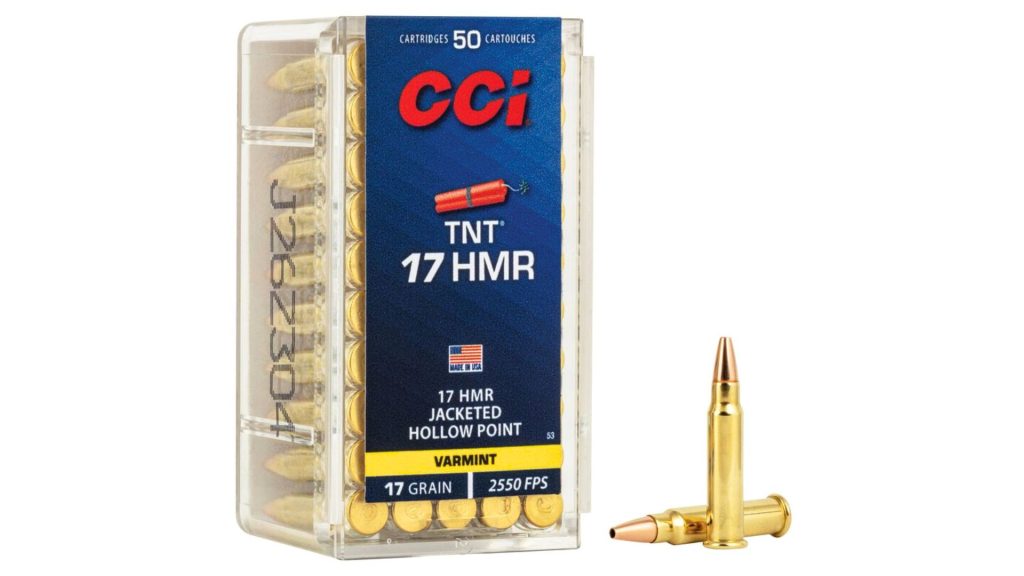
The .17 HMR is fun on varmints, but many hunters talk themselves into stretching it beyond where it belongs. On windy days, its tiny bullets drift more than most expect, and shots that should’ve been clean turn into tracking jobs. It’s a reminder that velocity only solves so much.
While it’s accurate in calm conditions, the round demands ideal scenarios, which hunting rarely offers. A lot of hunters buy one thinking it will handle more than it should, only to realize it creates more limitations than solutions. It’s a great small-game round—but not the do-everything rimfire some assume.
.22 Winchester Magnum Rimfire (.22 WMR)
The .22 WMR has a loyal following, but those who buy it expecting a meaningful step up from a .22 LR often end up disappointed. It works fine for pests, yet its real-world power isn’t close to what its numbers suggest. A lot of game animals soak up hits that looked solid.
Ammo cost is another reality check. It’s noticeably more expensive than .22 LR, but the performance gap doesn’t always justify the price. Many hunters eventually realize they could’ve spent the same money on a mild centerfire that’s far more capable and predictable in the field.
.30 Carbine
Plenty of hunters buy a .30 Carbine because they love the old M1. The problem is that its performance on game rarely lines up with expectations. At deer ranges, the bullet doesn’t have the weight or energy to offer confidence unless everything goes perfectly.
Inside 50 yards, it’s adequate, but most hunters shoot farther than that during a season. The straight-walled cartridge also limits bullet options. Many who try it eventually wish they had kept the rifle for collecting and grabbed something with real hunting legs instead.
5.56 NATO/.223 Remington (for deer)
The .223 can kill deer with the right bullets, but a lot of hunters regret buying into it because the margin for error is so small. Light bullets need careful shot placement, and not every rifle stabilizes the heavier hunting bullets that make the caliber viable.
In thick brush or tough angles, many shooters start to feel under-gunned. Blood trails can be sparse, and deer often run farther than expected. While it works in the right hands, many hunters discover that it requires more discipline and bullet choice than they were prepared for, making it a source of second thoughts.
6.5 Grendel
The 6.5 Grendel looks like a dream for AR-15 hunters, but it’s known for inconsistent factory ammo and limited bullet options. In theory, it’s capable, but many shooters complain about unpredictable accuracy across different loads.
The cartridge shines only inside a certain window, and that narrow performance range can frustrate buyers. It runs out of steam faster than its marketing suggests, especially compared to true mid-range hunting calibers. Many hunters eventually realize it’s more of a specialized option than a versatile one—and not everyone wants to chase handloads to get acceptable results.
.25-06 Remington
The .25-06 is fast, flat, and appealing at first glance. But once the excitement fades, a lot of hunters realize it can be surprisingly harsh on meat and picky with bullet performance. Light bullets explode at high velocity, and heavier ones don’t always expand well at long distances.
Recoil isn’t brutal, but it’s sharper than many expect from a .25 caliber. That snap can affect accuracy in lightweight rifles. Hunters who bought into the “perfect deer caliber” idea sometimes end up switching to something milder or heavier that offers fewer surprises and more predictable terminal behavior.
.243 Winchester
The .243 Winchester has taken countless deer, but it also produces more regret than people like to admit. It’s incredibly sensitive to bullet selection, and many newcomers buy it without understanding its limitations.
On broadside shots it performs well, but quartering angles or dense brush can turn things messy. Hunters who expected a laser beam often find it less forgiving than they hoped. After a couple of marginal hits that resulted in long tracks, many move up to something with a bit more weight and authority.
7mm Remington Magnum
The 7mm Rem Mag sells on ballistics, but recoil surprises a lot of buyers. Shot placement and consistency slip when the shooter flinches, and this round can spark that instinct faster than expected. Hunters often discover their effective range doesn’t actually increase with a harder-kicking round.
Barrels heat quickly, making practice sessions shorter and less enjoyable. Heavy recoil in lightweight rifles only adds to the frustration. Many hunters eventually realize they could shoot a .270 or .308 far better—and that their accuracy matters more than extra velocity on paper.
.300 Winchester Magnum
The .300 Win Mag is popular, but many hunters regret buying it when they discover how punishing it is from the bench. The recoil turns range practice into a chore, and inconsistent practice leads to inconsistent hits.
While the round is undeniably powerful, most hunters rarely take shots that require that level of performance. A lot of buyers eventually admit they over-gunned themselves. It’s a great elk round, but for deer-only hunters, it often becomes a safe queen.
7.62x39mm (for big game)
The 7.62x39mm is cheap and plentiful, which tempts hunters into trying it on deer and hogs. But accuracy varies wildly between rifles, and the round loses steam quickly past 150 yards.
Bullet options are limited, and a lot of the affordable ammo is designed for function—not clean kills. Hunters expecting dependable expansion often end up disappointed. Those who try it for a season usually find themselves wishing they had invested in a more capable mid-range caliber.
.450 Bushmaster
Straight-wall hunting states helped the .450 Bushmaster boom, but the recoil catches many buyers off guard. It thumps hard, especially in lightweight rifles built for AR platforms. That kind of recoil leads to poor form and scattered groups.
Ammunition is expensive, which makes practice limited for many hunters. Without regular shooting, mastering the round becomes difficult. People who bought it thinking it would be a “perfect brush gun” often end up reaching for something more manageable and consistent in the field.
6.5 Creedmoor (for big game beyond deer)
The 6.5 Creedmoor performs well on deer, but hunters who buy it expecting elk-level performance often regret the decision. While accurate, the round doesn’t carry the energy needed for bigger animals at long distances, even if the ballistics look promising.
Many hunters discover its limits only after experiencing poor penetration or long tracking jobs. It’s a fantastic deer cartridge, but it’s not the big-game hammer some assume. Hunters who push it beyond its intended role often find themselves wishing they had stepped up to a cartridge with more weight behind it.

Asher was raised in the woods and on the water, and it shows. He’s logged more hours behind a rifle and under a heavy pack than most men twice his age.