Bear Mauls Hiker to Death on Popular Trail – Chilling Final Voicemail to Family Goes Viral
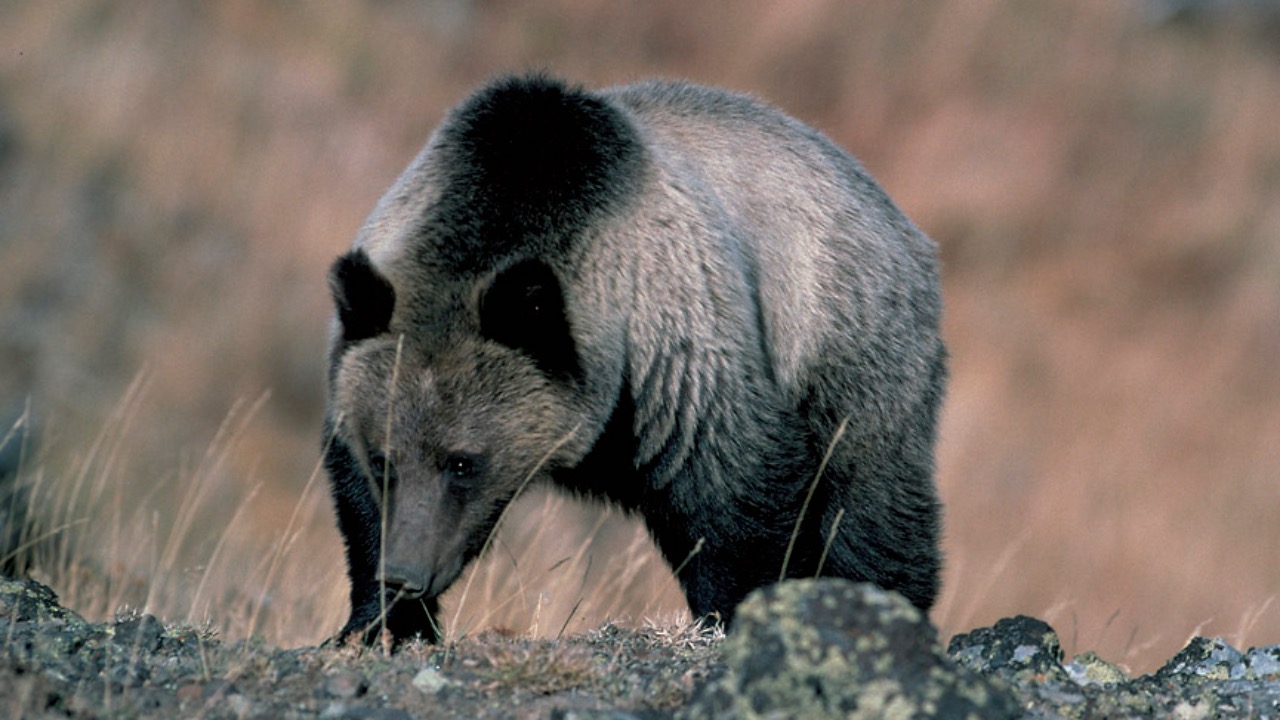
A hiker’s final steps in one of America’s most visited wilderness areas ended in tragedy this month, drawing fresh attention to the unpredictable realities of backcountry travel. Anthony Edward Pollio, 33, headed out alone on a steep trail in Glacier National Park, Montana, aiming for the historic Mount Brown Fire Lookout. What began as another chapter in his cross-country road trip turned fatal when he encountered a bear. His body was later found roughly 50 feet off the path with injuries consistent with a mauling—the first deadly bear attack in the park since 1998. The voicemail he left his father shortly before the encounter has circulated widely, offering a quiet, human record of a moment just before everything changed.
A familiar trail turns dangerous
Pollio had arrived in the park on May 3 after traveling with a friend who continued on without him. He checked into the Lake McDonald Lodge area and chose the roughly 10-mile round-trip route up the Mount Brown Trail, a popular path known for its elevation gain and views. Experienced outdoorsmen like him often tackled routes like this without issue, having already covered ground at places such as the Grand Canyon and Yellowstone earlier in the same trip. Yet on this particular afternoon, something shifted in the dense woods a couple of miles in. Park officials later confirmed the location where searchers located him, noting the trail’s steep sections and surrounding forest offered limited visibility.
Authorities have not released the exact sequence of events leading to the attack. They did confirm that Pollio’s disappearance prompted an immediate search involving wildlife teams and law enforcement. By May 6 his body had been recovered, and the park closed the affected section of trail while crews assessed bear activity nearby. The incident serves as a stark reminder that even well-traveled paths hold risks when large wildlife shares the space.
The last words from the trail
About two and a half miles into the hike, Pollio dialed his father, Arthur. The message he left captured the rhythm of his day in a voice slightly out of breath from the climb. He described where he was and what he had seen so far, the kind of routine check-in he had made throughout the two-week journey. The call ended simply with the words “love you,” a phrase that now stands as the final direct communication from son to father.
Arthur Pollio later shared details of that recording with reporters in Florida. He noted how consistent the tone felt with the many other messages his son had sent during the trip. Those brief updates had become a comforting thread connecting home to the remote places Anthony explored. In the days after the news broke, the voicemail’s existence spread through family circles and then online, turning a private farewell into something more public.
How the news reached the family
Search efforts began once Pollio did not return as expected from the day hike. Park rangers and rescue personnel moved quickly through the area, guided by his planned route to the fire lookout. On May 6 they located his body in a wooded spot off the main path. Officials described injuries consistent with a bear encounter but withheld further specifics pending a full investigation and autopsy.
Word traveled back to Florida, where Arthur Pollio and other relatives confirmed the identity through local outlets. The family’s statements emphasized Anthony’s deep connection to the outdoors rather than dwelling on the circumstances of his death. They described him as someone who approached nature with respect and preparation, traits that had defined his adult life up to that point.
Who Anthony Pollio was
Born and raised in South Florida’s Davie area, Pollio attended St. Bernadette Catholic School and St. Thomas Aquinas High School before earning a hospitality degree from the University of Central Florida. He later served as a deacon at his church in Sebring while maintaining an active life outside. Friends and family remembered him as a natural leader who hunted for two decades, cleared trails in parks around the country, and enjoyed everything from ATVs to car racing when he was not preaching or exploring.
His road trip reflected that blend of interests. After parting ways with his traveling companion in Montana, he continued solo, stopping at national parks and even digging for dinosaur fossils in Wyoming. At 33 he had packed a lifetime of experiences into adventures that many people only dream about later in life, as his father noted in interviews.
Glacier National Park’s long relationship with bears
Glacier has hosted visitors alongside grizzly and black bears for generations. The park’s last confirmed fatal bear attack occurred in 1998, though a non-fatal injury happened as recently as August 2025. Officials work year-round to monitor bear populations and educate hikers about proper food storage, noise-making on trails, and group travel recommendations.
The Mount Brown Trail winds through prime habitat where bears forage and travel. Park releases after the incident reminded the public that wildlife encounters remain possible even on heavily used routes. Temporary closures allow biologists time to evaluate recent bear movements without additional human presence in the immediate area.
A father’s perspective on the loss
Arthur Pollio spoke openly about his son’s character in the days following the discovery. He called Anthony fearless and highlighted how the young man had lived fully in his relatively short time. The voicemail, he said, fit the pattern of daily contact that had kept them connected across thousands of miles. Those recordings now hold extra weight, preserving a voice that will not call home again.
The family has focused on celebrating the adventures rather than speculating on what might have been different. Arthur pointed to the breadth of his son’s travels—from sunsets at Mount Rushmore to hikes through the Grand Canyon—as evidence of a life well spent in the places he loved.
What investigators are examining now
Park officials continue to review evidence from the scene while awaiting autopsy results. They have not yet determined the bear species involved or the precise circumstances of the encounter. Wildlife teams remain on site to track any nearby animals and ensure public safety before reopening the trail section.
In statements to the media, the park stressed its commitment to a thorough process. The goal is both to understand this specific case and to update safety protocols if needed. Until more details emerge, the focus stays on supporting the family and protecting other visitors who still plan to experience the same wilderness.
Placing the tragedy in broader context
Stories like Pollio’s surface every few years across North America’s wild spaces, each one prompting fresh conversations about preparation and respect for wildlife. Glacier’s track record shows that fatal attacks stay rare, yet they underscore the fact that no amount of experience removes every variable when sharing territory with large predators.
Visitors continue to arrive because the park’s landscapes reward the effort. The key, according to long-standing guidance, lies in awareness rather than fear. Pollio’s final hike adds one more layer to that ongoing dialogue between humans and the natural world that draws people back year after year.

Asher was raised in the woods and on the water, and it shows. He’s logged more hours behind a rifle and under a heavy pack than most men twice his age.