The Origins of the .357 Magnum: How Law Enforcement and Criminal Elements Shaped an Enduring Firearm Cartridge
You can’t talk about handgun cartridges in America without circling back to the .357 Magnum. It didn’t show up by accident, and it wasn’t built in a vacuum. It came out of a rough stretch in the early 20th century, when lawmen were outgunned and criminals were getting harder to stop with the tools available.
If you want to understand why the .357 Magnum still holds its ground today, you’ve got to look at where it came from. It’s a story shaped by fast cars, body armor, hard lessons, and a handful of men who pushed for something better.
The .38 Special Was Hitting Its Limits
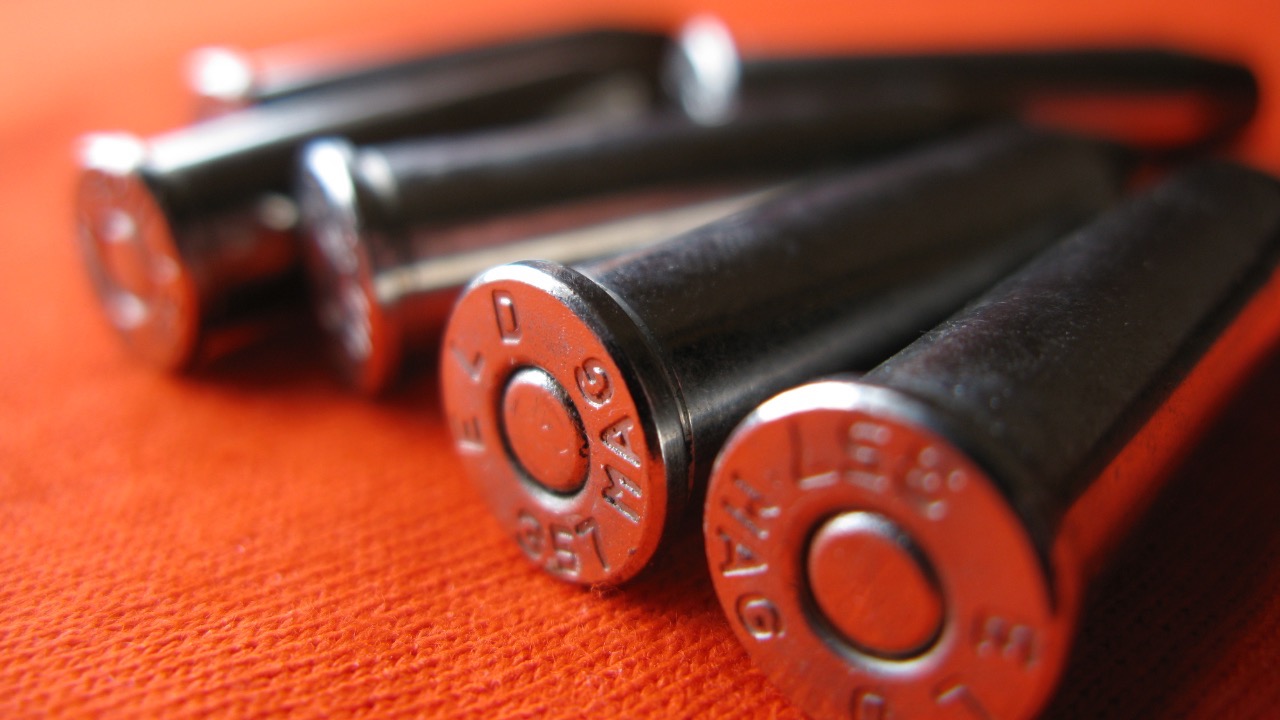
By the 1920s and early ’30s, the .38 Special was the standard for law enforcement. It worked fine under normal conditions, but those conditions were changing fast.
Criminals started using cars to escape and cover ground quickly. They also began using improvised body armor and heavy clothing that could slow or stop standard rounds. Officers found themselves in situations where their sidearms didn’t have the penetration needed. You can only run into that wall so many times before someone starts looking for a way through it.
Prohibition-Era Crime Forced a Change
Prohibition didn’t only create bootleggers—it created organized, well-armed crews. Men like John Dillinger and Baby Face Nelson weren’t carrying pocket pistols. They had access to rifles, automatic weapons, and vehicles that gave them a clear edge.
Law enforcement had to respond or fall behind. The gap between what criminals carried and what officers had on their belts became too wide to ignore. Agencies began pushing for more powerful sidearms that could punch through barriers and hold their own in a running gunfight. That pressure set the stage for something new.
Experimentation Led to Higher Pressures
Instead of starting from scratch, early developers looked at the .38 Special and asked how far it could be pushed. By increasing powder charges and strengthening revolvers, they found a way to get more velocity and better performance.
But there was a problem. Hot-loaded .38 rounds could be dangerous in older revolvers not built to handle the pressure. That created a need for a separate cartridge—something longer, something that couldn’t be chambered in standard .38 guns. That safety concern directly led to the longer case design you see in the .357 Magnum.
The Role of Elmer Keith and Phil Sharpe
If you spend enough time around this history, two names keep coming up: Elmer Keith and Phil Sharpe. Both were deeply involved in pushing handgun performance forward.
Keith, especially, was known for heavy loads and field testing. He wasn’t working in theory—he was out shooting, breaking things, and figuring out what held up. Sharpe brought a more technical side, working with manufacturers and documenting results. Together, they helped drive interest in a high-velocity revolver cartridge that could meet the demands law enforcement was facing.
Smith & Wesson Steps In
All that experimentation needed a manufacturer willing to take the next step. Smith & Wesson answered that call in the mid-1930s.
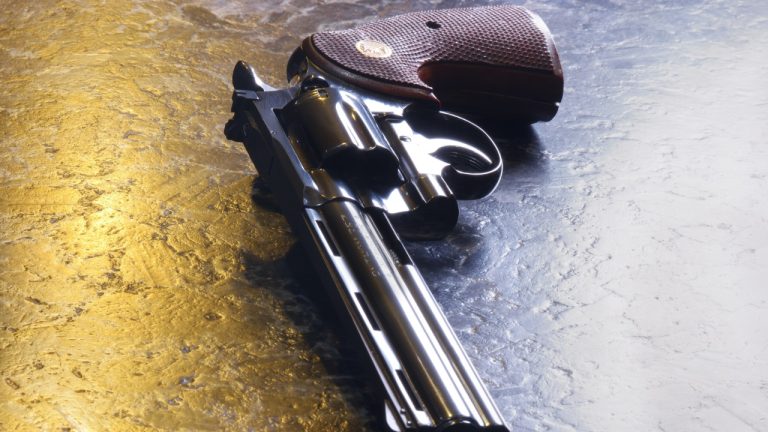
They introduced the first .357 Magnum revolver in 1935, built on a heavy frame designed to handle higher pressures. This wasn’t a modified service revolver—it was purpose-built. The company worked closely with shooters and developers to make sure the cartridge and firearm matched up. That partnership turned a concept into something officers could actually carry and rely on.
Winchester Brings It to Market
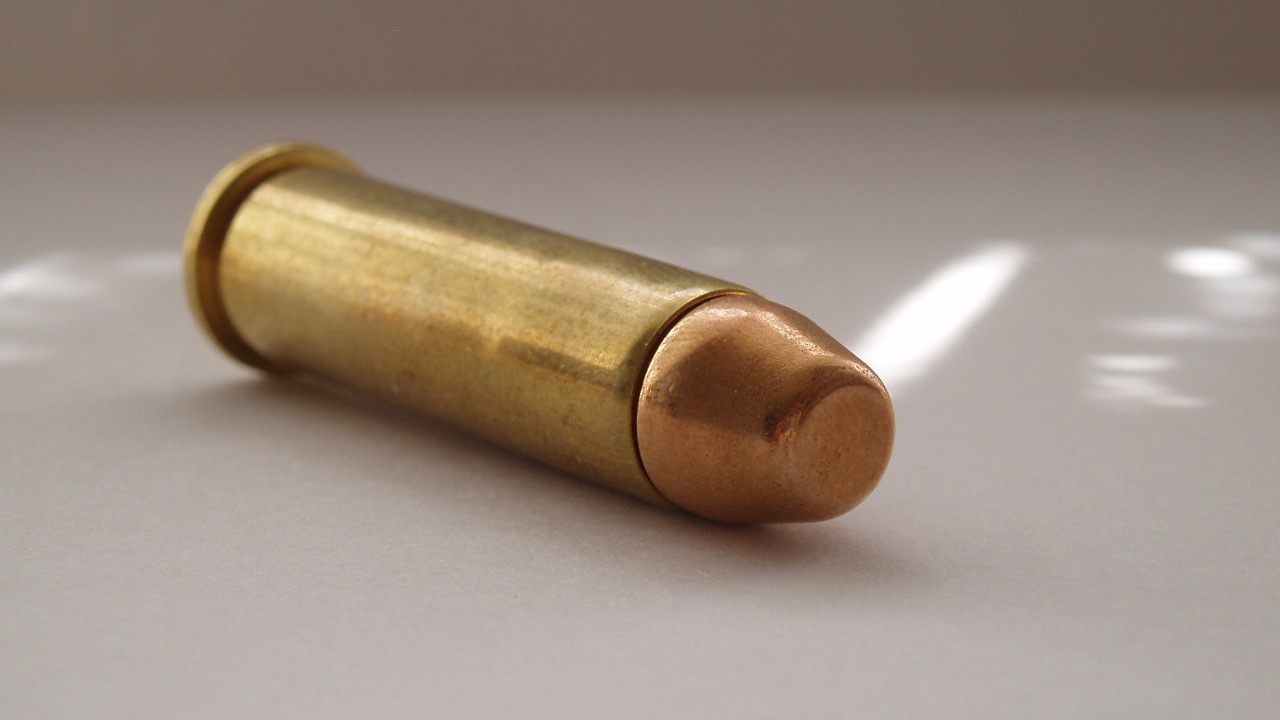
A new cartridge doesn’t go far without ammunition to back it up. Winchester handled that side, producing the first factory-loaded .357 Magnum rounds.
They pushed velocity well beyond what the .38 Special could deliver, giving the cartridge the performance edge it was designed for. That factory support mattered. It meant departments and individuals didn’t have to rely on handloads to get results. They could buy it off the shelf and trust what they were getting.
Early Law Enforcement Adoption Proved Its Worth
Once the .357 Magnum hit the field, it didn’t take long for word to spread. Agencies that adopted it found it could handle situations where older cartridges struggled.
Highway patrol units, in particular, saw the benefit. Shooting through car bodies and windshields was part of the job, and the .357 gave them a better chance in those moments. It wasn’t perfect, but it closed the gap. When officers feel that difference firsthand, adoption tends to follow.
Criminal Tactics Continued to Influence Development
Even after the .357 Magnum arrived, the back-and-forth didn’t stop. Criminals adapted, and law enforcement kept adjusting in response.
The need for penetration, accuracy, and reliability stayed front and center. The .357 didn’t solve every problem, but it set a new standard for what a service cartridge could do. It forced both sides to rethink their approach, and that pressure kept shaping firearms development for decades.
Its Legacy Still Holds Today
You can walk into a gun shop today and still find .357 Magnum revolvers on the shelf. That doesn’t happen by accident.
The cartridge earned its place by solving real problems at a time when those problems were getting people killed. It offers versatility too—you can run lighter .38 Special loads or full-power magnum rounds in the same gun. That flexibility, combined with its track record, is why it hasn’t faded out.
It Was Built for a Problem That Hasn’t Fully Gone Away
The conditions that created the .357 Magnum aren’t identical today, but the core issues still exist. Barriers, mobility, and the need for reliable stopping power haven’t disappeared.
That’s why the cartridge still makes sense to a lot of shooters. It wasn’t built around theory or marketing—it came out of real-world pressure. When something is shaped that way, it tends to stick around.

Asher was raised in the woods and on the water, and it shows. He’s logged more hours behind a rifle and under a heavy pack than most men twice his age.