Booby traps in Vietnam aimed to inflict both physical and psychological harm
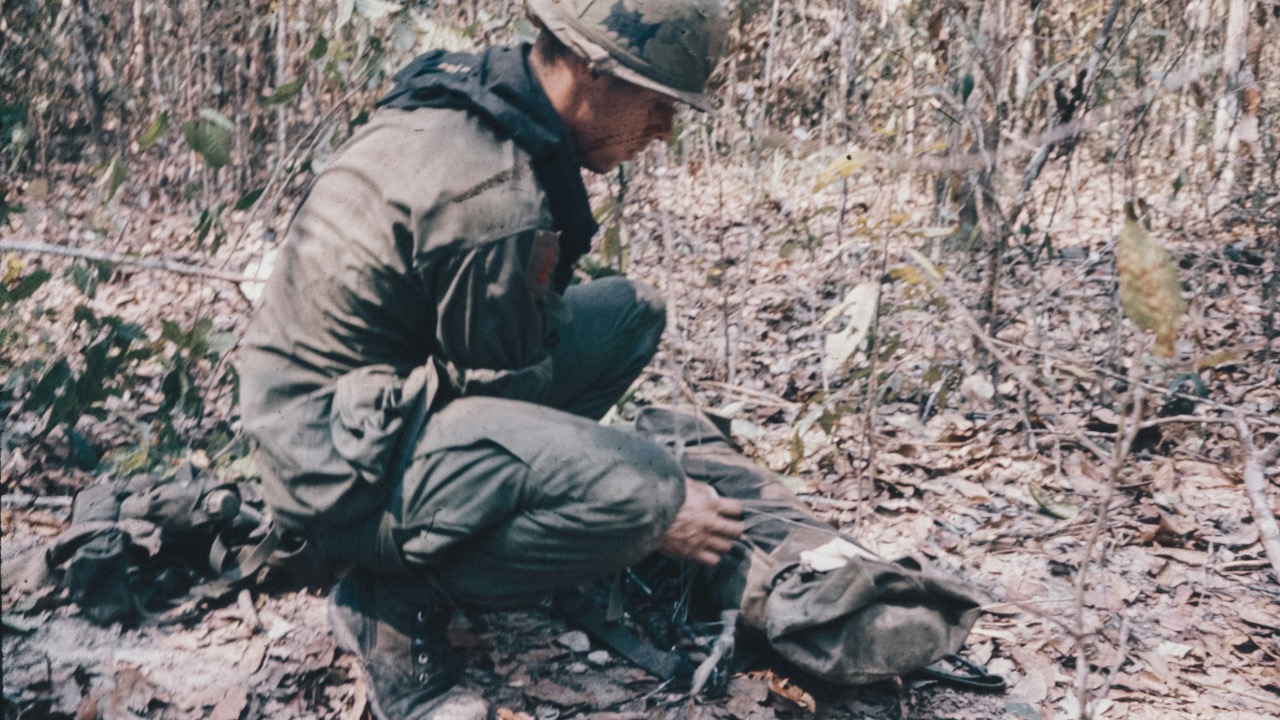
You picture yourself on patrol in the Vietnamese countryside during the late 1960s. Thick jungle presses in from every side, the air heavy and still. One wrong step, and the ground gives way or a hidden line yanks tight. The Viet Cong turned the very land into an opponent, planting devices that struck without warning. These traps caused real damage to limbs and lives, yet their deeper power lay in the fear they planted in every soldier who had to keep moving forward. They accounted for roughly eleven percent of U.S. deaths and fifteen percent of wounds in several peak years, forcing entire units to slow down and second-guess every advance.
That combination of injury and unease defined a different kind of warfare. The traps did not need constant guarding or expensive materials. They worked on their own, day after day, wearing down confidence long before any firefight began. Soldiers learned to scan the ground constantly, yet the uncertainty never lifted.
Traps built from materials found close at hand
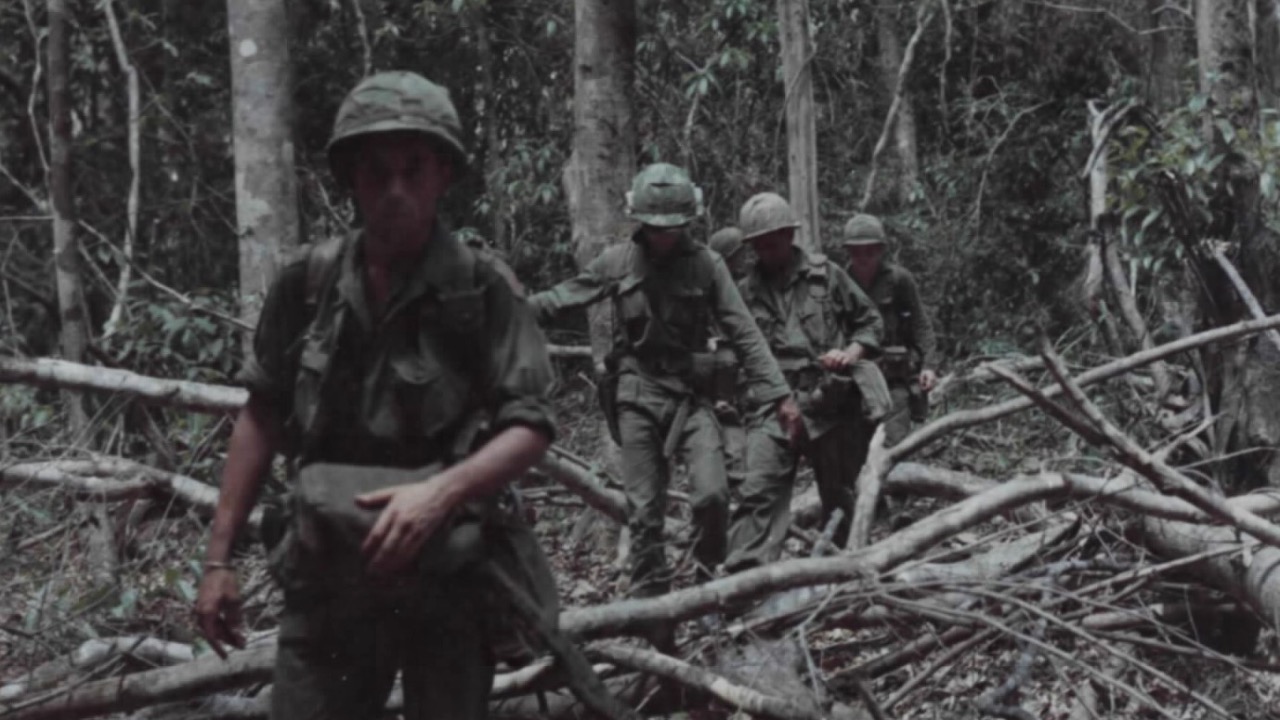
The Viet Cong relied on what surrounded them in the villages and forests. Lengths of bamboo, sharpened stakes, old nails, and scraps of wire became the backbone of their devices. These items blended into the environment so well that metal detectors often missed them entirely. A soldier could walk past the same spot dozens of times without noticing anything out of place until the moment everything changed.
Construction took little time and almost no cost. Teams worked quickly at night or in hidden spots, setting the mechanisms and covering them with leaves or thin layers of soil. The result looked completely natural. You learned to treat every trail, stream bank, and clearing as potential ground zero, because the traps appeared wherever patrols might pass.
Punji stake pits waiting underfoot
Many traps centered on deep, narrow holes lined with sharpened bamboo or wooden points angled upward. A thin covering of branches and dirt hid the opening until weight pressed down. The fall drove the stakes through boots and into flesh, often tearing muscle and bone on the way out. To increase the risk, the points sometimes carried contaminants that turned minor punctures into serious infections.
You felt the immediate shock of the injury, then the slower dread as pain spread and evacuation became necessary. Medics had to move in to help, pulling the rest of the squad into a vulnerable cluster. The pit itself stayed behind, ready for the next group that came through the same route days or weeks later.
Spring-loaded strikes from above or the side
Other setups used tension stored in bent bamboo poles or weighted logs. A thin tripwire stretched across a path released the stored energy, driving spikes or a heavy club into legs, torsos, or heads. These devices struck at unexpected heights and angles, catching soldiers who had already cleared the ground in front of them.
The sudden motion left little time to react. One moment you walked in formation; the next, a companion lay bleeding while the rest of the unit froze in place. The noise and movement also alerted nearby forces, turning a simple wound into a larger tactical problem.
Explosive surprises triggered by a single footfall
Small cartridge traps sat just below the surface, a bullet seated over a nail inside a short tube. Pressure on the tip fired the round straight up through the boot. Larger versions linked grenades or dud artillery shells to tripwires or pressure plates, creating blasts that could disable several people at once.
You never knew which ordinary-looking object on the trail hid the charge. The randomness kept everyone tense, scanning for the slightest disturbance in the dirt or grass. Even after a trap went off, secondary devices often waited nearby for those who rushed in to assist.
The calculated decision to wound instead of kill
Planners behind the traps understood that injured soldiers required immediate care and transport. A wounded man slowed his entire unit, tied up helicopters or stretchers, and demanded attention from medics who might otherwise stay in the fight. The approach multiplied the burden on American resources far beyond the loss of a single life.
You saw the effect in real time when a squad halted to treat a casualty. Progress stopped cold. The psychological weight settled heavier because the enemy seemed to value disruption over outright victory. Each injury reminded everyone that the next step could turn them into the one who needed carrying.
The unrelenting need to watch every step
Patrols demanded total focus on the ground ahead, the sides, and even overhead. Heat, rain, and fatigue made that concentration harder as hours stretched into days. Soldiers developed habits of probing with sticks or moving in deliberate patterns, yet the mental effort drained energy that could have gone toward the mission itself.
You carried the knowledge that any lapse might end in screams and blood. Over weeks and months the strain accumulated, shortening tempers and clouding judgment. Rest periods offered little relief because the next patrol always loomed.
Devices placed inside tunnels and hidden routes
Underground networks like those at Cu Chi held their own layers of danger. Entrances sometimes triggered grenades or released snakes when disturbed. Inside the passages, punji stakes and tripwires waited in the dark for anyone crawling forward. The confined space magnified every risk.
You entered those tunnels only when necessary, knowing the enemy had prepared every meter. The combination of tight quarters and hidden threats made even experienced soldiers hesitate. Clearing one section often revealed another trap farther along.
The long shadow these tactics left behind
Years after the war, many who served still described the constant watchfulness they could never fully set aside. The traps had done their work not only on the battlefield but in the minds of those who returned home. Memories of narrow escapes and lost friends lingered, shaping how veterans processed daily life.
You hear the stories today and recognize the lasting reach of those simple, deliberate designs. They turned a superior force into one that moved with caution, proving that fear could travel as far as any bullet or bomb.

Asher was raised in the woods and on the water, and it shows. He’s logged more hours behind a rifle and under a heavy pack than most men twice his age.