Border Patrol Focus on Minor Firearms Seizures Draws Criticism as Broader Security Threats Persist
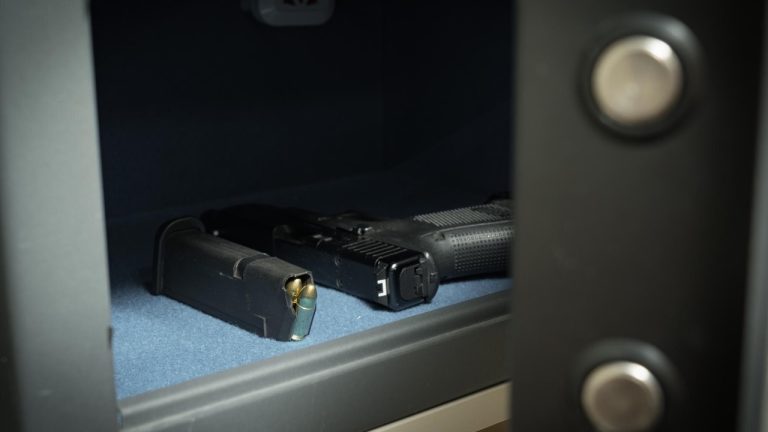
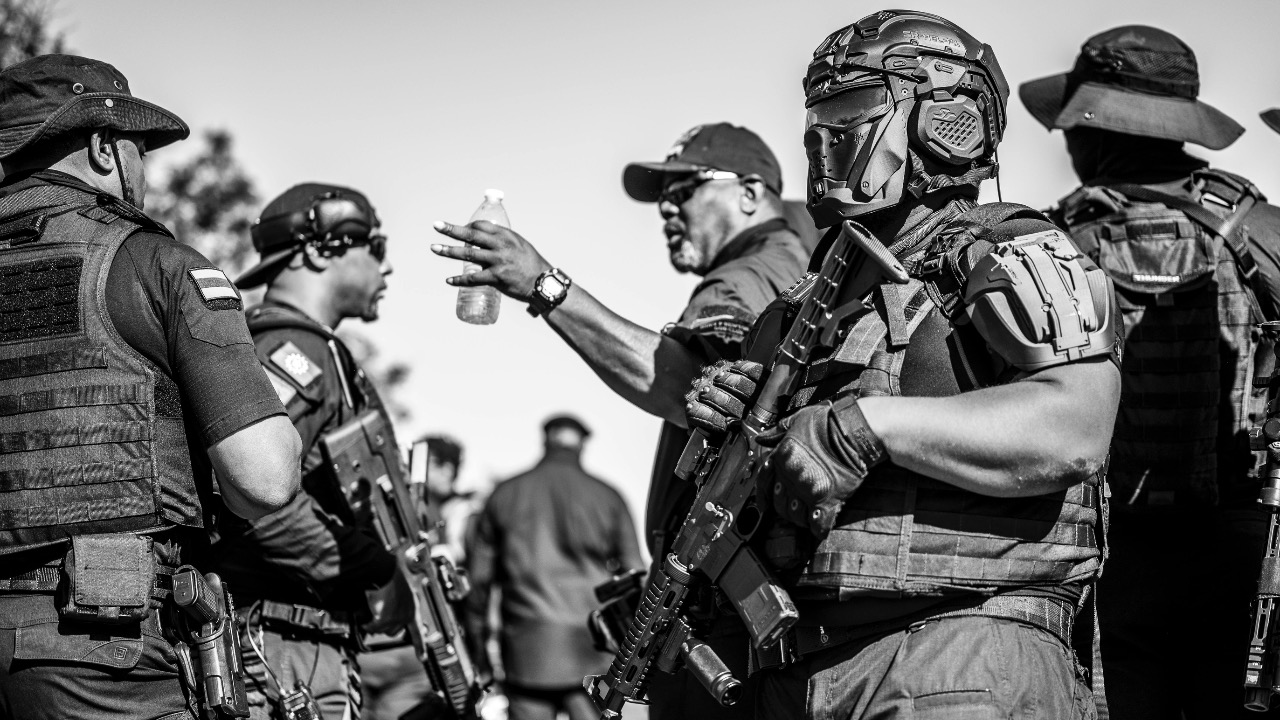
Criticism is growing over claims that Border Patrol resources are being directed toward relatively minor firearms seizures while larger security concerns continue along the southern border. The debate has picked up among lawmakers, law enforcement commentators, and border-state residents who argue that focusing heavily on smaller violations may distract from more serious criminal activity.
Supporters of current enforcement strategies say every illegal weapon crossing matters and that smaller seizures can still prevent larger crimes. Critics, however, argue that public attention is being placed on isolated confiscations while trafficking networks, cartel activity, and repeat illegal crossings remain the bigger long-term concern for many communities near the border.
Debate over enforcement priorities
The criticism largely centers on how agencies choose to allocate limited manpower and investigative resources. Some officials believe focusing on firearm interdiction is necessary because weapons trafficking can contribute to organized crime on both sides of the border.
Others argue that emphasizing smaller gun seizures in press releases or public briefings creates the impression of progress without addressing larger operational threats. They believe more resources should be directed toward organized smuggling operations, human trafficking investigations, and repeat offenders with violent criminal histories.
Concerns from border communities
Residents in border regions often judge enforcement efforts based on what they see directly affecting daily life. In some communities, concerns about property crime, cartel influence, and cross-border smuggling outweigh concerns over isolated firearm confiscations.
Local leaders have also argued that broader security threats create long-term instability that cannot be solved through smaller enforcement wins alone. Some sheriffs and regional officials continue pushing for more manpower, surveillance capability, and coordination between federal and local agencies.
Law enforcement perspective on smaller seizures
Federal agencies defend firearm enforcement efforts by arguing that even small seizures can disrupt criminal supply chains. A single confiscated weapon may connect investigators to larger trafficking operations or ongoing investigations tied to organized crime groups.
Officials also point out that border enforcement involves multiple overlapping missions happening at once. Agents are often tasked with immigration enforcement, narcotics interdiction, weapons seizures, and humanitarian response operations simultaneously, making resource allocation more complicated than public debates sometimes suggest.
Political divide surrounding border policy
Border security remains one of the most politically divisive issues in the country, and disagreements over enforcement priorities reflect that larger divide. Some lawmakers favor aggressive broad enforcement strategies focused on deterrence and mass interdiction efforts.
Others support a more targeted approach centered on intelligence gathering and criminal network disruption. Because of that split, nearly every Border Patrol action — including smaller firearms seizures — tends to become part of a much larger national argument about immigration, crime, and federal policy.
Broader security concerns remain unresolved
Even as agencies continue highlighting weapons confiscations, many of the broader concerns raised by critics remain unresolved. Human trafficking routes, fentanyl smuggling operations, and organized cartel activity continue to dominate national border security discussions.
For many observers, the main issue is not whether firearm seizures matter, but whether they are receiving disproportionate attention compared to larger threats. That debate is likely to continue as border policy remains at the center of national political and law enforcement discussions.

Leo’s been tracking game and tuning gear since he could stand upright. He’s sharp, driven, and knows how to keep things running when conditions turn.