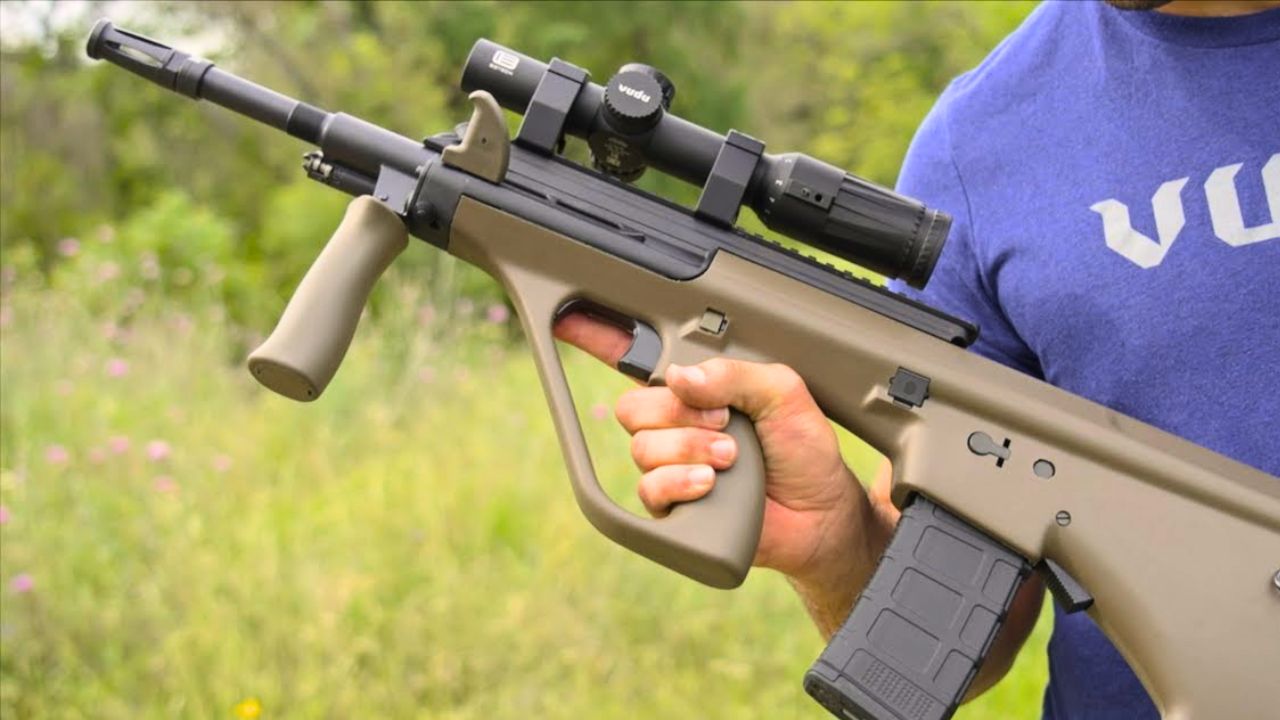
Guns that cost more to maintain than they’re worth
Some guns lure you in with looks, history, or promises of performance, then quietly drain your wallet over time. It’s not the purchase price that gets you—it’s the parts that wear early, the magazines that crack, the springs that need constant attention, and the gunsmith visits that start feeling routine. You don’t notice it at first. Then you realize you’ve spent enough on upkeep to buy something better that would’ve kept running with basic care.
These are guns that can shoot well and even feel good on the range, but ownership turns into a long-term expense account. If you’ve been around firearms long enough, you’ve probably met a few like this.
Steyr AUG (Pre-A3 Variants)
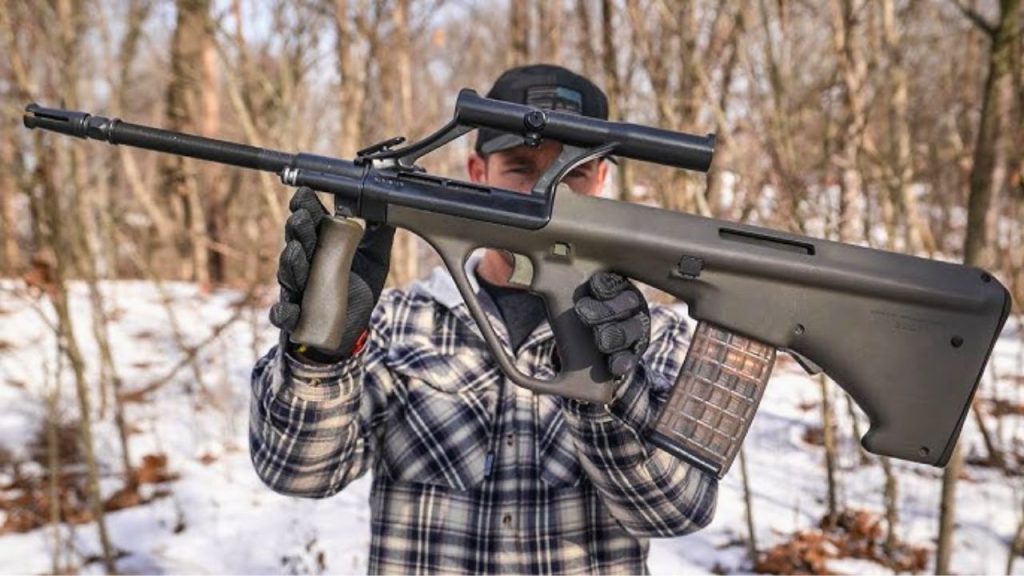
Older AUG variants bring proprietary parts and aging polymers into the equation. Magazines crack, stocks fatigue, and replacement components aren’t budget-friendly. Barrel assemblies and small internals carry premium prices.
You can keep one running, but every worn part costs more than it should. Routine upkeep feels more like managing a collection than owning a shooter. The rifle performs well, but the maintenance overhead doesn’t match its practical value for most owners.
Desert Eagle .50 AE
The Desert Eagle demands constant attention to stay reliable. Gas ports clog easily, recoil springs fatigue faster than expected, and magazines don’t age gracefully. Running lighter loads to save wear often causes cycling problems, forcing you back to expensive factory ammo.
Cleaning takes longer than most pistols, and skipped maintenance shows immediately. Small issues snowball into feeding problems or accuracy loss. You end up spending more time and money keeping it functional than actually shooting it. The novelty wears off long before the maintenance bills do.
FN Five-seveN (Early Production Models)
Early Five-seveN pistols come with parts that aren’t cheap or easy to source. Magazine feed lips wear quicker than expected, and replacement mags cost enough to sting every time. The polymer frame holds up fine, but internal components need closer monitoring.
Ammunition costs encourage less practice, which hides developing issues until they become real problems. When something finally needs attention, the repair path isn’t friendly. You can keep one running, but the expense-to-value ratio never quite evens out.
Walther PPK/S (Modern Production)
The PPK/S looks timeless, but it’s sensitive to wear. Recoil springs need frequent replacement, and feeding issues creep in as magazines age. Sharp recoil in a compact steel frame accelerates stress on small parts.
Routine shooting reveals slide bite risks and accelerated frame wear. Gunsmith work becomes common if you want it running smoothly. For a pistol meant to be carried and shot regularly, the upkeep adds up fast compared to more forgiving designs that cost less to own.
Chiappa Rhino (Early Models)
The Rhino’s design is clever, but maintenance can be demanding. Timing issues, internal wear, and specialized parts make routine service more complicated than traditional revolvers. When something goes out of spec, fixes aren’t cheap or quick.
You can’t always rely on local gunsmiths to handle repairs, which means shipping costs and long waits. Even light use can uncover issues that require factory-level attention. It’s a revolver that punishes neglect and rewards you with bills instead of convenience.
HK G11 (Civilian Transfers and Prototypes)
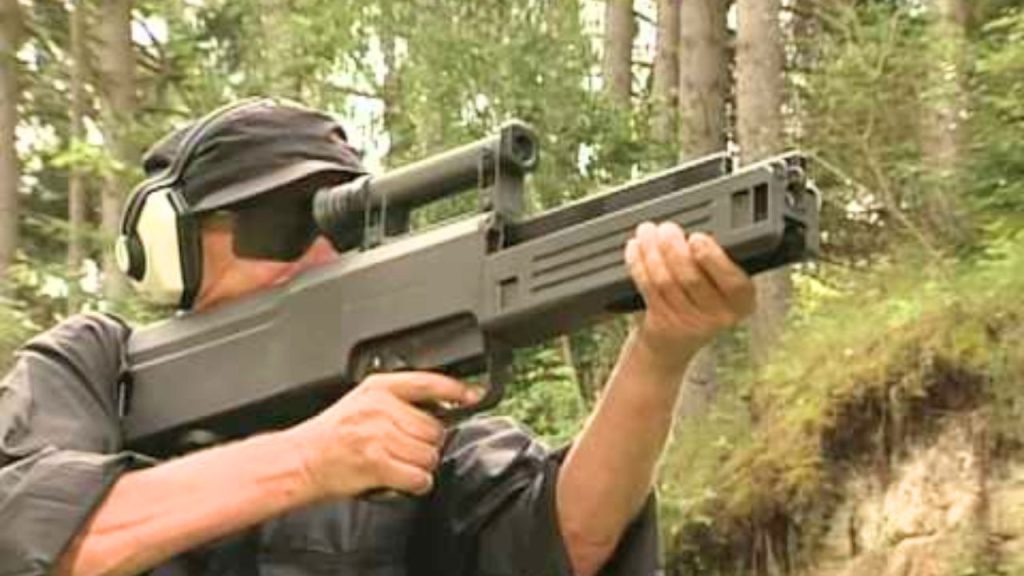
Owning anything tied to the HK G11 platform is an exercise in patience and expense. Caseless ammunition alone makes routine shooting unrealistic, and replacement parts are scarce to the point of being museum-grade items. Springs, seals, and internal components weren’t built for civilian longevity.
Even careful handling doesn’t prevent degradation. You end up paying specialists who barely remember working on them, and every minor repair feels risky. For what you get in actual shooting time, the upkeep costs outweigh the experience. It’s a fascinating firearm, but ownership is closer to preservation than use.
Remington R51 (Second Generation)
The R51 improved over the original, but it still carries maintenance baggage. Internal tolerances require close attention, and small parts don’t tolerate wear well. Magazines and recoil systems are known pain points.
Owners often chase reliability through repeated spring swaps and minor fitting. Each fix costs time and money, and the returns are inconsistent. Even when it’s running, confidence remains shaky. For what you invest in upkeep, there are far better pistols that demand less.
SIG Sauer P210 (Commercial Imports)
The P210 shoots beautifully, but precision comes at a cost. Tight tolerances mean accelerated wear if maintenance slips. Replacement parts are expensive, and fitting often requires experienced hands.
You can’t ignore lubrication or cleaning schedules without consequences. Every range trip feels like a commitment, not a casual outing. Over time, maintenance costs rival the original purchase price. It’s rewarding, but financially hard to justify as a regular shooter.
Kel-Tec RFB
The RFB’s forward-ejection system needs frequent cleaning and careful inspection. Carbon buildup affects function faster than expected, and internal access isn’t convenient. Gas adjustments require patience and experience.
Parts availability fluctuates, and shipping for service adds expense. You spend more time maintaining the rifle than shooting it if you use it regularly. For a bullpup meant to be practical, the upkeep burden overshadows its strengths.
AMT Hardballer
The Hardballer looks like a classic 1911, but stainless-on-stainless wear creates problems. Galling is a real concern without constant lubrication and careful ammo selection. Springs and extractors need regular replacement.
Keeping one reliable involves frequent tuning. Gunsmith visits become normal rather than occasional. Over time, maintenance costs surpass the pistol’s actual value. It’s a gun that asks more than it gives unless you enjoy constant upkeep.
Heckler & Koch P7
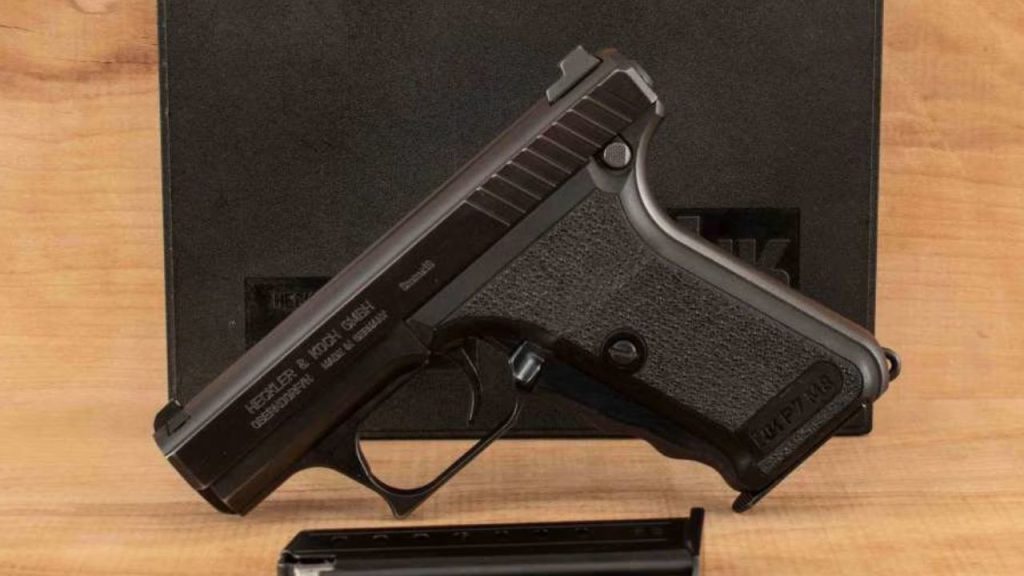
The P7 is accurate and compact, but heat and gas system wear drive maintenance costs. Carbon fouling builds fast, and specialized tools are often required for proper service.
Parts are scarce and expensive. Even careful owners face declining performance as components age. Shooting sessions stay short due to heat, limiting practical use. What you spend keeping it functional outweighs what you get in return as a shooter.
IWI Tavor SAR (Early Imports)
Early Tavor SAR rifles suffer from proprietary parts and evolving design changes. Trigger components wear unevenly, and replacements aren’t cheap. Barrel and bolt assemblies carry high replacement costs.
Disassembly and maintenance take more effort than expected. Over time, small issues stack up into costly fixes. While durable, long-term ownership costs exceed the rifle’s practical value for many shooters.

Asher was raised in the woods and on the water, and it shows. He’s logged more hours behind a rifle and under a heavy pack than most men twice his age.