Calibers that make ethical shots easier
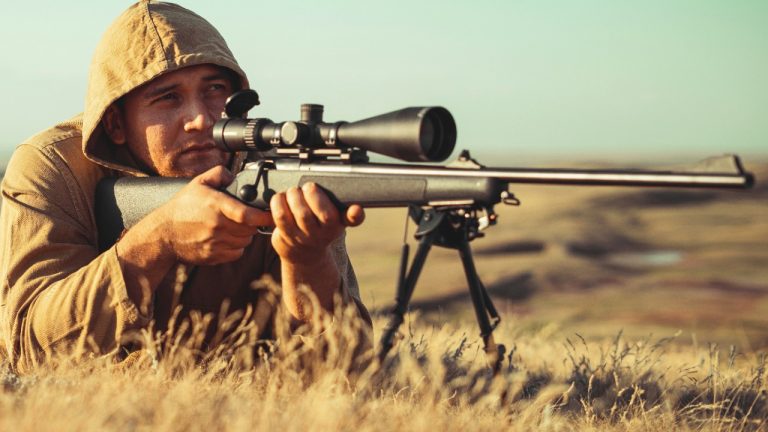
Ethical hunting starts long before the shot breaks. It begins with choosing a cartridge that helps you place a bullet precisely, penetrate vital organs, and end an animal’s life quickly. The right caliber cannot fix bad judgment or poor marksmanship, but it can make humane hits easier and more repeatable across real‑world conditions.
When I look at calibers through that lens, I focus less on hype and more on how recoil, trajectory, bullet design, and realistic range work together. From light deer rounds to heavy dangerous‑game cartridges, some options clearly stack the odds in favor of clean kills and against lingering wounds.
What makes a caliber “ethical” in the first place?

For me, an ethical cartridge does three things: it lets you hit where you aim, it carries enough energy and penetration to reach the vitals, and it does both without punishing recoil that causes flinching. Guidance for deer rifles stresses that you should Choose a caliber with minimal recoil because Doing so reduces the kick that makes shooters jerk the trigger, and Less recoil also helps you stay steady from awkward field positions. That is not about comfort, it is about whether you can put a bullet into a heart‑lung window the size of a paper plate when it counts.
Trajectory and bullet behavior matter just as much. Long‑range research notes that a flat trajectory is crucial when you are unsure of exact distance, because it shrinks the vertical error if your range estimate is off, which directly improves hit probability on game‑sized targets, a point laid out in detail in work on flat trajectory. On impact, ethical performance depends on controlled expansion and penetration, which is why many hunters lean on modern bullets such as jacketed hollow points that are built to deliver quick, decisive stopping power on game that needs fast incapacitation.
Light recoiling workhorses that forgive small mistakes
For many hunters, especially newer or smaller‑framed shooters, light recoil is the single biggest factor that makes ethical hits easier. In that role, the 243 Winchester is a standout. On wild pigs, reporting notes that the . 243 balances power and shootability, with bullet weights from 85 to 105 g that still penetrate well while keeping recoil mild for younger hunters or those sensitive to kick. A broader hunting caliber chart goes further, calling the . 243 Win perfect for recoil‑sensitive hunters and capable of ethically harvesting deer out to 300 yards when paired with appropriate bullets.
That same logic shows up in local rifle advice, which notes that for shooters worried about recoil, a . 243 Winchester with a light 100 g bullet is a smart choice because it is easier to control while still lethal on deer‑sized game. Broader guidance on all‑around rifles reinforces that Calibers with lighter recoil, such as the . 243 Winchester and the 6.5 Creedmoor, let shooters practice more without developing a flinch, while heavy magnums can be a challenge for less experienced hunters.
Why mid‑caliber classics still define “ethical” for big game
Once you move beyond youth rifles and light deer guns, mid‑caliber workhorses dominate ethical big‑game hunting because they balance power, reach, and manageable recoil. A detailed big‑game guide points out that for Whitetail Deer and Similar Sized Game, cartridges in the .270 to .30 class give hunters enough energy and penetration without the brutal recoil of the largest magnums, and it notes that Magnum calibers like the .300 are best reserved for those who can handle them and are willing to improve their skills during practice. In the same guide, traditional rounds such as 30‑30 Winchester, . 35 Remington, and . 45 70 Government remain effective for close‑range work where shots are under about 150 yards, precisely because they hit hard and penetrate deeply at woods distances.
Real‑world hunters echo that balance‑first mindset. In a Comments Section discussion about the cheapest caliber that can still be used ethically, one user simply answers 308, then adds that it depends on where in the world you are hunting. That same . 308 appears in UK deer‑management advice, which notes that Whether you opt for a . 243 Winchester for its low recoil and versatility or a . 308 Winchester for its balanced power and trajectory, the key is matching bullet construction and shot placement to the species so that deer management stays humane and effective.
6.5 Creedmoor and the rise of high‑BC “easy mode” rounds
If there is a modern poster child for calibers that make ethical shots feel easier, it is the 6.5 Creedmoor. On moose‑sized game, analysis notes that the 6.5 CM’s high ballistic coefficient bullets do a fine job of resisting wind drift, which keeps impacts closer to the point of aim and makes it one of the most versatile loads available to modern big‑game hunters. A separate deep dive on the cartridge argues that a bullet with a high Ballistic Coefficient slips through the wind with less drag, so if a shooter is off a bit on range or wind call, the bullet still lands closer to center, and while hunting is not a science experiment, BC makes a huge difference in how forgiving a shot feels.
That aerodynamic edge shows up in hard numbers. A detailed look at the Maximum Effective Range of Creedmoor for Hunting Of notes that many hunters are most interested in using their 6.5 CM for deer, and it lays out energy thresholds that are often cited as the minimum for ethical whitetail hunting. Broader ballistic guidance explains why this matters, emphasizing The Importance of Ballistic Coefficients in determining accuracy and wind resistance, since a higher BC helps a bullet maintain velocity and energy over distance, which directly supports improved accuracy and effective range on game.
Terrain, distance and why “ethical range” is rarely extreme
Caliber choice only makes sense when you factor in where you hunt and how far you can truly shoot. Training material on Open Country Hunts Long notes that long‑range rifles often become a necessity in open country, where closing distance across large desert expanses and open plains is difficult or impossible. In those settings, cartridges with flat trajectories and high‑BC bullets reduce the penalty for small range‑finding errors, which is exactly what the long‑range ballistics research on flat trajectories highlights as a key measure of merit for ethical hits at distance.
Even then, experienced hunters tend to cap their own range well below what the ballistics tables promise. A comparison of .300 Win Mag and .30‑06 puts it bluntly, stating that in the author’s experience, ethical hunting shot distances are 500 yards or less, with 300 yards being the average maximum distance where most hunters can still place shots reliably, and it stresses that the closer you are, the better your shot placement will be. That same principle shows up in archery guidance, which notes that if you hunt in dense woods where 20 and 30 yard shots are common, your bow’s forgiveness is not a major factor, but if you hunt open country you might consider being a little more selective about gear, a point made in a breakdown of compound bow specifications. Rifles follow the same logic: the more your environment forces longer shots, the more you should favor calibers and bullets that forgive small errors.
Specialized tools: suppressed rifles, hog guns and dangerous‑game hammers
Some hunting situations demand specialized cartridges, but the ethical yardstick stays the same. For suppressed rifles, guidance stresses that a hunting caliber should provide suitable terminal ballistics to ensure first‑round knockdown power on the designated game, while also delivering exceptional accuracy to your desired hunting range, a balance laid out in detail in a discussion of the best hunting caliber for use with suppressors. On hogs, a separate analysis of the best all‑around rifle calibers notes that some rounds shine in thick cover, and a focused hog‑hunting guide highlights Close Range Accuracy, noting that one popular hog round is particularly effective in dense cover and ideal for short‑range engagements, often under 100 yards, where quick follow‑up shots and reliable penetration are critical.
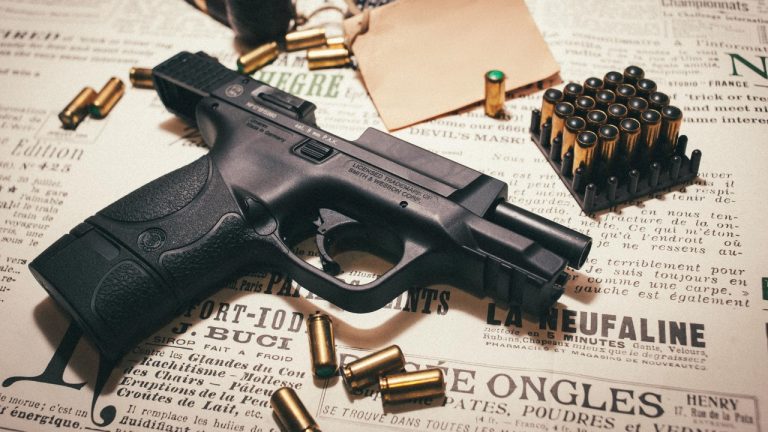
At the other end of the spectrum, dangerous‑game cartridges are built to punch through thick hide and bone so that ethical shots are still possible on the largest animals. The . 458 Winchester Magnum is specifically engineered for hunting large, thick‑skinned animals that require immense stopping power, with bullets designed to smash through heavy muscle and thick bone to reach vital organs. Even in handgun hunting, where ranges are short, ethical performance depends on matching cartridge and platform: one review of the five best handgun cartridges for hunting notes that some do not consider 30‑30 Winchester a pistol caliber cartridge, but Ryan Callaghan recalls an outfitter who used it effectively from a handgun platform, underscoring that even unconventional setups can be ethical when power, bullet construction, and range are kept in balance.
Long‑range specialists and crossover cartridges that simplify decisions
Some modern cartridges are designed from the ground up to make longer shots more forgiving without sacrificing terminal performance. A detailed product description of a 6.8 Western load notes that it is Built to deliver exceptional precision at extended ranges, ideal for open country and mountainous terrain where long shots are standard, and it explicitly frames that precision as a way to achieve clean, ethical kills even on large‑bodied game. Broader crossover advice for elk and deer points out that, in practice, the largest northern whitetail is as heavy as any mule deer, so However you slice it, any cartridge considered adequate for elk will also be more than enough for deer, which is why mid‑to‑large 6.5 and .30‑caliber rounds are often recommended as one‑rifle solutions.
Even with such capable cartridges, the fundamentals of bullet design and trajectory still rule. A technical breakdown of long‑range bullets emphasizes that a flat trajectory is important if you are unsure how far the target is, because it minimizes vertical miss distance when your range estimate is off, which is an important measure of merit for ethical long‑range shots, as laid out in the long‑range bullets research. On the practical side, guidance on all‑around calibers explains that by the time you finish weighing recoil, trajectory, and terminal performance, you should have a comprehensive understanding of how to choose the best caliber for your hunting needs, and it even names a specific contender as a recommended best all‑around caliber, a decision‑making process summarized in the section that begins with By the end of that guide.
Practice, youth setups and the human side of “easy” shots
No caliber can be ethical if the shooter cannot run it well, which is why practice and fit matter as much as ballistics. Youth‑gear advice for bows urges parents and mentors to avoid buying rigs that a child will quickly outgrow and Instead opt for a youth rig that accommodates shooters of all ages and sizes, allowing them to work into speed and in‑field performance when the time is right. The same principle applies to rifles: a cartridge that a hunter can shoot comfortably and accurately, season after season, is far more ethical than a bruising magnum they dread taking to the range.
Big‑game caliber guides reinforce that mindset by reminding hunters that Magnum calibers like the .300 are best suited to those who can handle them and are willing to improve their skills during practice, a point made explicitly in the Aug overview of rifle choices for Whitetail Deer and Similar Sized Game. When I weigh calibers through that lens, the ones that truly make ethical shots easier are not just flat‑shooting or hard‑hitting on paper, they are the rounds that ordinary hunters can afford to practice with, can shoot without fear of recoil, and can trust to put a well‑constructed bullet exactly where it needs to go.

Leo’s been tracking game and tuning gear since he could stand upright. He’s sharp, driven, and knows how to keep things running when conditions turn.