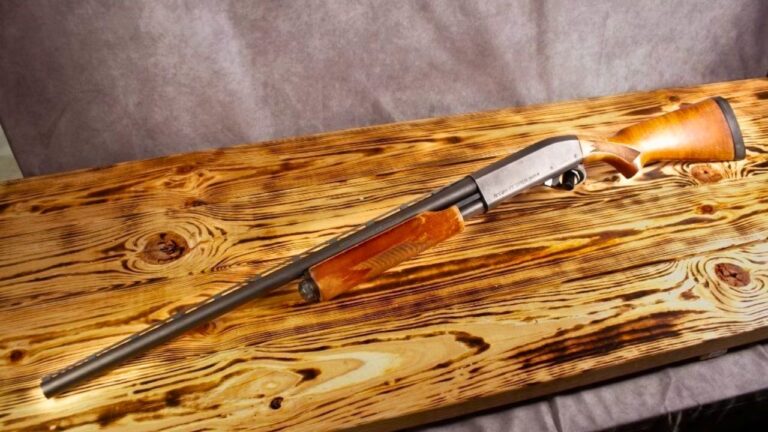
Calibers that turn recoil into a real problem
Recoil isn’t just discomfort. It changes how you shoot, how long you practice, and how honest you are with yourself about misses. Some calibers cross a line where power stops helping and starts interfering. Flinches creep in. Follow-up shots slow down. Sight pictures disappear the instant the trigger breaks. None of this shows up on a spec sheet.
These calibers aren’t failures. They’re simply harder to live with than most hunters admit. When recoil becomes the dominant factor in your shooting, results suffer, even if the cartridge is capable on paper. These are the rounds where recoil stops being manageable and starts dictating outcomes.
.458 SOCOM

In compact rifles, the .458 SOCOM delivers recoil that surprises nearly everyone. The impulse is fast and disruptive, making follow-up shots slow and sight pictures unstable.
It’s designed for specific purposes, but recoil quickly becomes the defining feature. Precision suffers, especially for shooters expecting a softer experience due to moderate velocities.
.338 Winchester Magnum
The .338 Win Mag delivers authority, but recoil is part of every shot, whether you need that power or not. The push is heavy and sustained, not sharp, which wears shooters down over time.
Practice sessions shorten. Confidence erodes. Even experienced hunters notice slower recovery between shots. It’s effective on large game, but recoil becomes a real liability when most hunts don’t require its full potential.
.300 Weatherby Magnum
Speed and energy come at a price. The .300 Weatherby hits hard on both ends. Recoil is abrupt, and muzzle rise makes staying on target difficult, especially from field positions.
Many shooters develop a subconscious hesitation that shows up as pulled shots. The cartridge excels at distance, but most hunters pay the recoil penalty without ever using the range advantage it provides.
.375 H&H Magnum

The .375 H&H is respected for good reason, but recoil is unavoidable. It’s a heavy, rolling shove that demands perfect form and commitment behind the rifle.
Few hunters shoot it often enough to stay truly comfortable. Accuracy becomes situational rather than consistent. It’s capable, but recoil limits who can use it well and how often they’re willing to practice.
.300 Winchester Magnum
The .300 Win Mag carries a reputation that often overshadows its real-world cost. In lighter hunting rifles, recoil is sharp enough to interrupt fundamentals. Muzzle blast adds to the problem, making range time shorter than it should be.
Most hunters don’t need the power it offers, yet they pay for it every time they pull the trigger. Flinching becomes subtle but persistent. Accuracy suffers long before you realize why. The cartridge works, but recoil demands more discipline than many shooters maintain season after season.
.450 Bushmaster
The .450 Bushmaster hits hard and stops hard. Recoil is sharp, especially in lighter rifles, and muzzle rise is pronounced.
Shot-to-shot recovery takes effort. Extended practice becomes unpleasant. While effective within its intended range, recoil reduces practical accuracy and limits how confidently you can shoot under pressure.
.45-70 Government (hot loads)

Traditional loads are manageable, but modern hot loads turn the .45-70 into a different animal. Recoil becomes abrupt and punishing, especially in short, lightweight rifles.
Many hunters underestimate how quickly it affects shooting form. Accuracy drops as anticipation creeps in. The cartridge can be effective, but recoil narrows the margin for error more than expected.
.28 Nosler
The .28 Nosler promises flat trajectories, but recoil arrives fast and sharp. Combined with blast, it disrupts sight picture and follow-through.
The cartridge performs, but recoil management becomes part of every shot. Hunters chasing performance often find themselves fighting the rifle instead of focusing on fundamentals.
.300 PRC
The .300 PRC brings modern design and heavy recoil together. In practical terms, recoil rivals older magnums while encouraging shooters to stretch distances.
That combination magnifies errors. Even small flinches show up at longer ranges. The cartridge works, but recoil demands consistent discipline many hunters don’t maintain.
.338 Lapua Magnum

The .338 Lapua Magnum turns recoil into an endurance event. Weight helps, but the impulse remains significant.
Few hunters shoot it enough to master it fully. Fatigue builds quickly, and accuracy suffers long before mechanical limits are reached. Recoil dominates the experience more than most admit.
.416 Rigby
The .416 Rigby delivers legendary power and equally legendary recoil. It’s not painful so much as overwhelming.
Shot execution requires total commitment. For most hunters, recoil reduces accuracy more than it increases effectiveness. It’s built for extreme circumstances that rarely apply.
.50 Beowulf
The .50 Beowulf brings massive recoil in a compact platform. The short barrel and heavy projectile combine into a violent shooting experience.
Follow-up shots are slow. Control requires effort every time. It’s impressive, but recoil becomes the limiting factor far sooner than power becomes the advantage.

Leo’s been tracking game and tuning gear since he could stand upright. He’s sharp, driven, and knows how to keep things running when conditions turn.