
Homeowners increasingly face armed intrusions and take defensive measures
You don’t have to look far to see the shift. More homeowners are thinking hard about security in a way they didn’t ten years ago. News cycles, neighborhood chatter, and firsthand experiences all point in the same direction—people are taking a closer look at how they protect their homes and families.
That doesn’t mean panic. It means awareness. And for a lot of folks, it means putting real plans in place instead of assuming nothing will happen. The reality is, armed intrusions are still relatively rare, but the response to that risk has changed. Here’s how that’s playing out across the country.
More Homeowners Are Paying Attention to Home Security
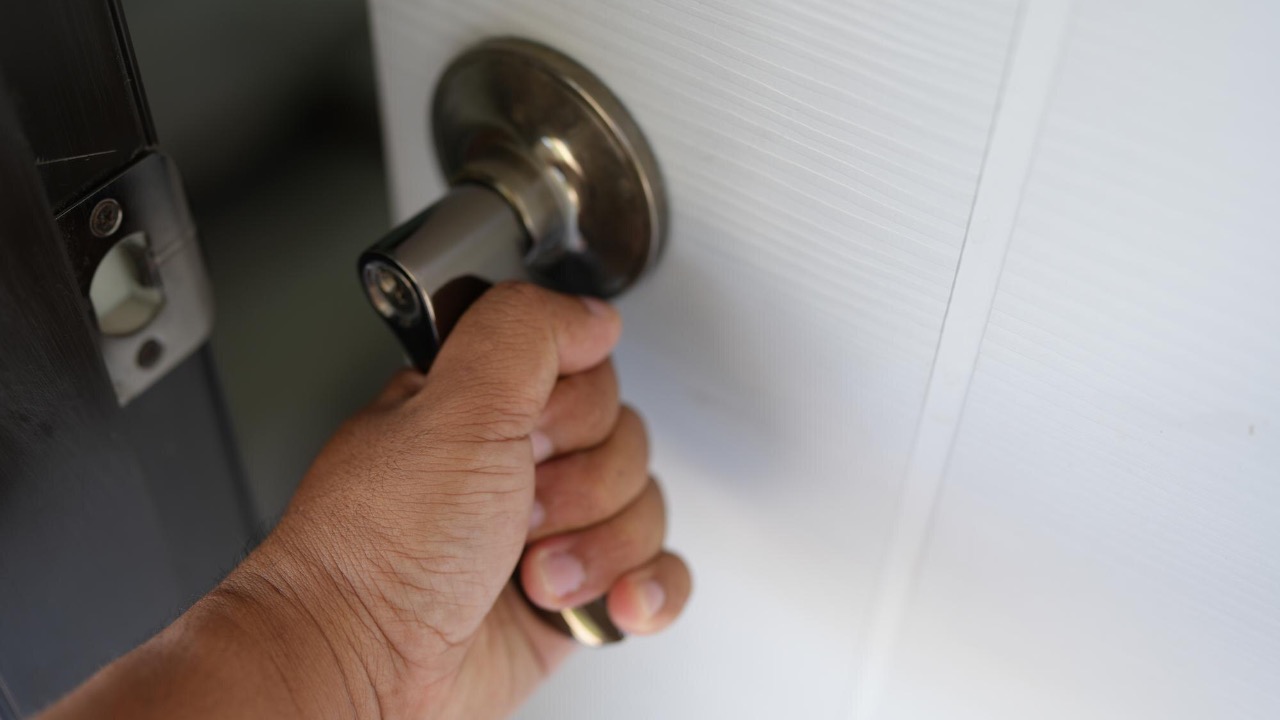
You’re seeing a broader shift in mindset. People who never thought twice about locking a door are now thinking through entry points, lighting, and response plans.
That awareness often starts with something small—a break-in down the street, a story from a friend, or a video circulating online. It adds up. Once that switch flips, you start looking at your home differently. Where someone could get in. How quickly you’d respond. What you’d do if it happened at night. That kind of thinking is becoming more common, especially in suburban and rural areas that used to feel removed from it.
Security Systems Are Becoming a First Line of Defense
Alarm systems and cameras aren’t new, but they’re more common now than ever. You’ve got options that range from basic door sensors to full setups with motion alerts and remote monitoring.
For many homeowners, it’s less about catching someone after the fact and more about deterrence. Visible cameras and signage can make a difference before anything happens. You’re also seeing people rely on real-time alerts sent straight to their phones. That kind of immediate awareness gives you time to react, whether you’re home or not.
Exterior Lighting and Visibility Matter More Than Ever
One of the simplest changes people make is improving lighting around the house. Dark corners, hidden entry points, and unlit yards give cover to anyone looking to move unnoticed.
When you light those areas up, you remove that advantage. Motion lights, porch lights, and even trimming back overgrown shrubs all play a role. It’s not complicated, but it’s effective. A well-lit property forces someone to think twice, and that hesitation alone can be enough to send them somewhere else.
Reinforced Doors and Windows Are Getting More Attention
You can have alarms and cameras, but your physical barriers still matter. More homeowners are reinforcing doors with stronger frames, longer screws, and better locks.
Windows are part of that conversation too. Security film, upgraded locks, and placement of valuables out of sight all reduce risk. Most break-ins rely on speed. If it takes longer to get in, the chances of success drop. You’re not trying to make your home impenetrable—you’re making it harder than the next one.
Response Plans Are Becoming More Thought Out
It’s one thing to think about security. It’s another to know what you’ll actually do. More people are walking through scenarios ahead of time.
That might mean identifying a safe room, keeping a phone within reach at night, or making sure everyone in the house knows how to call for help. It’s not about overthinking—it’s about removing hesitation. When something goes wrong, you don’t want to be figuring it out in the moment. You want a plan that’s already been considered.
Neighbors Are Playing a Bigger Role Again
There’s been a quiet return to people watching out for each other. Neighborhood groups, text chains, and informal check-ins are more common than they used to be.
You don’t need anything formal. Knowing who belongs and who doesn’t goes a long way. A parked car that doesn’t fit, someone walking a property line—they stand out more when people are paying attention. That kind of awareness fills in the gaps that cameras and alarms can’t cover on their own.
Rural Homeowners Face Different Challenges
Out in the country, response times can be longer. That changes how you think about security. You’re often relying more on yourself than someone in a dense neighborhood.
Distance between homes also means fewer eyes on what’s happening. Long driveways, tree cover, and open land can work both ways—they give you privacy, but they can also give someone space to move without being seen. That’s why you’ll see rural homeowners put more emphasis on gates, visibility, and early warning signs.
Training and Preparedness Are Part of the Conversation
More homeowners are taking the time to get comfortable with their security setups. That includes understanding how systems work and, in some cases, getting training related to personal defense.
The focus tends to be on safety and control. Knowing how to respond under stress matters more than owning any piece of equipment. It’s about being steady, making clear decisions, and avoiding mistakes. That kind of preparation doesn’t show up in headlines, but it’s a big part of how people are adapting.
You’re not looking at a country under siege. What you’re seeing is a shift in how people think about their homes. Awareness is higher, planning is more common, and homeowners are taking responsibility for their own security in ways that weren’t as widespread before.

Asher was raised in the woods and on the water, and it shows. He’s logged more hours behind a rifle and under a heavy pack than most men twice his age.