Canada sends American-made missiles to strengthen Ukraine’s defenses
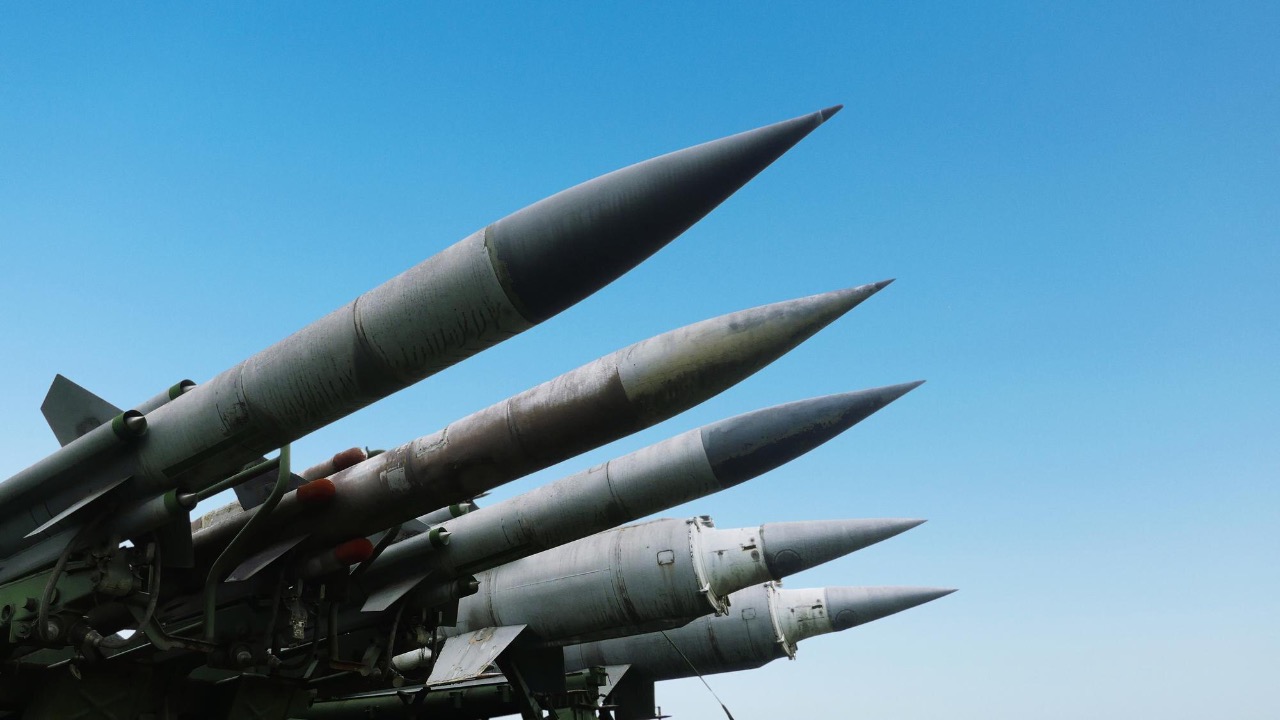
Canada is sending American-made AIM air-to-air missiles from its own stocks to Ukraine, adding fresh firepower to Kyiv’s air defense network as Russian attacks continue. Ukrainian officials say the weapons will help their forces intercept cruise missiles and drones that keep targeting cities, power plants, and front-line units. The transfer deepens Canada’s role in Ukraine’s war effort and ties Ottawa more closely to the NATO-wide push to keep Ukraine supplied with modern air defense systems.
The move builds on earlier Canadian commitments of ammunition, rockets, and air defense components, and comes as Ukraine looks for every extra interceptor it can get. By supplying AIM missiles that can work from both aircraft and ground launchers, Canada is giving Ukraine more options for how and where to hit incoming Russian threats.
Canada’s new AIM missile pledge to Ukraine
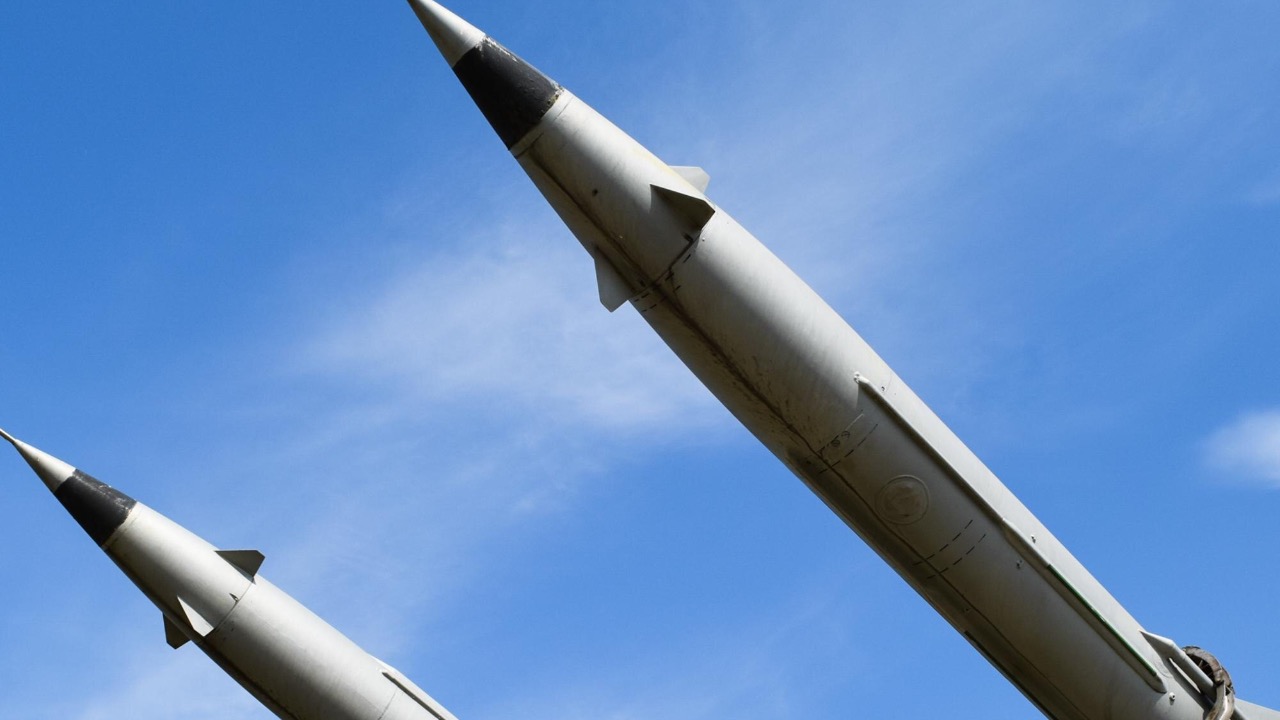
Ukraine’s Ministry of Defense has confirmed that Canada will transfer AIM air-to-air missiles to Ukraine for use against Russian targets in the sky. Officials in Kyiv describe the shipment as part of a broader effort to keep their air defense network supplied with Western-made interceptors as Russia continues to strike cities and infrastructure. The ministry has stressed that the missiles are coming from Canadian stocks and that the decision was taken in coordination with Ukrainian planners who track daily missile and drone attacks.
In Feb, Ukraine’s military said that Canadian AIM missiles would soon arrive, framing the transfer as a significant addition to its air defense toolkit. The statement highlighted that the missiles can be used from both air and ground platforms, giving commanders more flexibility in how they deploy the new weapons. Ukrainian officials have linked the announcement to a wider package of support that Canada has been building over time, emphasizing that the AIM shipment is not a one-off gesture but part of a sustained military partnership with Canada. Those claims are echoed in Ukrainian reports that Ukraine’s military will missiles.
How the missiles fit into Ukraine’s air defense network
For Ukraine, the value of the Canadian AIM missiles lies in how they plug into a layered air defense structure that already includes Soviet-era systems and newer Western batteries. Ukrainian commanders have been trying to build a mix of long-range, medium-range, and short-range interceptors so they can engage Russian threats at different distances and altitudes. AIM air-to-air missiles can be integrated into that mix to cover specific gaps, especially against low-flying cruise missiles and drones that slip past older radars.
Ukraine’s Ministry of Defense has said that the AIM missiles from Canada are intended to strengthen defenses against Russian cruise missile and drone attacks, particularly near major cities and key energy sites. Reporting on the transfer notes that Canadian officials coordinated with Kyiv to match the missile type to Ukraine’s most urgent needs, rather than simply shipping whatever was easiest to spare. In public comments, Ukrainian authorities have framed the deal as part of a larger pattern in which Canada sends modern air defense munitions that can be networked with existing Western systems, a view reflected in accounts that Ukraine’s Ministry of missiles to Ukraine for air defense.
Technical role of AIM missiles against Russian threats
The AIM missiles Canada is providing are air-to-air weapons designed to hit fast-moving targets such as aircraft, cruise missiles, and drones. Ukraine’s Defense Ministry has emphasized that these missiles can be launched from both fighter jets and adapted ground systems, allowing Ukrainian forces to tailor their use to the battlefield. In practice, that means the same class of missile could be fired from a Ukrainian aircraft patrolling near the front or from a ground launcher protecting a power plant or logistics hub.
Ukrainian reporting on the transfer notes that the AIM missiles are expected to be used against Russian cruise missile attacks that have repeatedly struck Ukrainian cities and power infrastructure. Analysts in Kyiv argue that every additional batch of modern air-to-air missiles increases the chance of intercepting incoming Russian weapons before they reach their targets. The technical flexibility of being able to mount the missiles on both air and ground platforms has been highlighted in Ukrainian statements that Canadian AIM missiles platforms.
Ukraine’s broader hunt for air-to-air missiles
Canada’s AIM shipment is part of a wider scramble by Ukraine to secure air-to-air missiles from multiple allies. Ukrainian officials have repeatedly appealed for more modern interceptors as Russia adapts its tactics, using mixed salvos of ballistic missiles, cruise missiles, and drones to stretch Ukraine’s defenses. In public messaging, Kyiv has thanked partners that send air-to-air missiles and stressed that each new batch helps protect civilians and critical infrastructure from Russian strikes.
Social media posts that track military aid have highlighted that Ukraine is set to receive additional air-to-air missiles from Canada to strengthen its air defenses against Russian cruise missile attacks. One such account notes that in Feb, Ukraine thanked Canada for another round of air-to-air missiles aimed at stopping Russian strikes, describing the transfer as part of a long-running pattern of support. That description matches reports that Ukraine is set attacks.
Canada’s wider military aid package and NATO alignment
The new AIM transfer sits within a much larger Canadian military aid effort that has grown as the war has dragged on. Canada has joined other NATO members in backing a shared list of Ukraine’s priority needs, and it has committed funding for weapons that match that list. Officials in Ottawa have framed these moves as proof that Canada is prepared to support Ukraine with real hardware and money, not just statements.
One recent decision set aside approximately $680 million, described as $680 m, which is also listed as USD $500 million or $500 m, to buy a NATO Prioritised Ukraine Requirements List package of military aid. Commentators in Canada have argued that such spending shows the government is serious about supporting democracy abroad and not content with slogans alone. That view is reflected in public commentary that Canada’s decision to package signals a deeper commitment.
From NASAMS delays to new deliveries
Canada’s decision to send AIM missiles also comes against the backdrop of earlier air defense commitments that took time to arrive. Canadian officials have acknowledged that some NASAMS-related missile orders for Ukraine were placed nearly two years before the systems actually reached the battlefield. Those delays became a point of frustration for Ukrainians who were facing nightly air raids while waiting for promised Western equipment.
When the NASAMS missiles finally arrived in Ukraine, Canadian representatives framed the delivery as proof that Russia’s attempt to intimidate NATO had failed. They argued that the alliance was stronger and more united in its resolve to help Ukraine defend its airspace. In a public appearance, a senior Canadian figure stressed that NATO was more deeply united and determined to maintain support for Ukraine, a message captured in a video where NASAM missiles ordered.
Earlier Canadian munitions: rockets, warheads, and industry deals
Canada’s missile transfer is only the latest in a series of arms deliveries to Ukraine that include large quantities of rockets and warheads. In one aid package, Canada planned to send just under 81,000 unarmed rockets to Ukraine, along with 1,300 warheads, over the span of several months. Canadian officials presented that shipment as a way to help Ukraine maintain the tempo of its artillery and rocket fire without running short of basic munitions.
Beyond consumable ammunition, Ottawa has also moved into longer term industrial cooperation with Kyiv. On Ukraine’s Independence Day in Aug, Ukraine used the occasion to announce a major defense pact with Canada, with Minister Dennis Schmihal highlighting a $700M arms deal that would bring Canadian firms into Ukraine’s defense sector. The agreement was described as Canada entering Ukraine’s war industry, signaling that cooperation would extend beyond one-off aid packages and into joint production and long-term contracts. That shift is described in a video that explains how Canada enters Ukraine’s.
Front-line impact and Russian tactics
On the ground, Ukrainian units see air defense missiles as essential to holding their lines and keeping logistics routes open. Russian forces continue to use cruise missiles and drones to hit supply depots, troop concentrations, and energy facilities far from the front. Ukrainian commanders say that every extra interceptor, whether fired from a jet or a ground launcher, reduces the number of Russian weapons that get through and disrupt operations.
At the same time, Russia has tried to probe Ukraine’s defenses in less obvious ways. Ukrainian reports describe how Russians Again Attempt to Infiltrate via Gas Pipeline, This Time in Sumy Region, using infrastructure as a possible cover or target. Ukrainian analysts link these incidents to a broader Russian strategy that mixes physical attacks, sabotage, and information pressure. In response, Kyiv argues that new air defense missiles from partners like Canada are part of a wider shield that also includes better protection for critical infrastructure, a view supported by reports that Ukraine will receive.
Political debate inside Canada
Inside Canada, the decision to keep sending weapons to Ukraine has sparked debate, but support for air defense aid remains strong among those who see Ukraine’s fight as linked to wider European security. Commentators who back the missile transfers argue that Canada has a responsibility to help a country under attack, especially when Russian strikes target civilians and vital services. They also point to the NATO Prioritised Ukraine Requirements List as evidence that allies have agreed on what Ukraine needs most and that Canada is stepping up to meet part of that demand.
Critics, however, have raised questions about cost, transparency, and long-term strategy. Some argue that large sums such as $680 million and $500 million should come with clearer public explanations of how the money is spent and how the weapons are used. Others worry about the impact on Canada’s own stockpiles if too many missiles and rockets are shipped abroad. These debates play out in public forums where users share posts about Canada’s decision to, weighing the benefits and risks.
What the latest shipment signals for the war’s next phase
Canada’s AIM missile transfer signals that Ukraine’s allies expect the air war to remain intense and that they see air defense as a long-term requirement, not a short-term fix. By sending American-made missiles from its own inventory, Canada is accepting some risk to its domestic stocks in order to keep Ukraine supplied. That choice reflects a calculation that helping Ukraine stop Russian missiles and drones now is better than facing a more destabilized Europe later.
For Ukraine, the arrival of Canadian AIM missiles, alongside earlier deliveries of NASAMS interceptors and tens of thousands of rockets, shows that key partners are still willing to send high-value munitions. Ukrainian officials argue that this kind of support, combined with industrial deals like the $700M arms agreement and large rocket packages that include 81,000 rockets and 1,300 warheads, will help them sustain the fight over time. Canadian leaders, for their part, continue to tie these decisions to NATO’s unity and resolve, a message echoed in speeches where they stress that NATO was stronger as Ukraine received long-promised air defense missiles.

Leo’s been tracking game and tuning gear since he could stand upright. He’s sharp, driven, and knows how to keep things running when conditions turn.