12 Guns People Stop Carrying—and Why
People rarely stop carrying a gun because they stopped caring about self‑defense. They stop because the gun is heavy, awkward, or hard to shoot well when it counts. I have watched the same patterns repeat for decades, and certain models keep ending up in the safe. Here are 12 guns people start out excited about, then quietly stop carrying, and the real reasons why.
1. Tiny .22 Magnum Mini-Revolvers
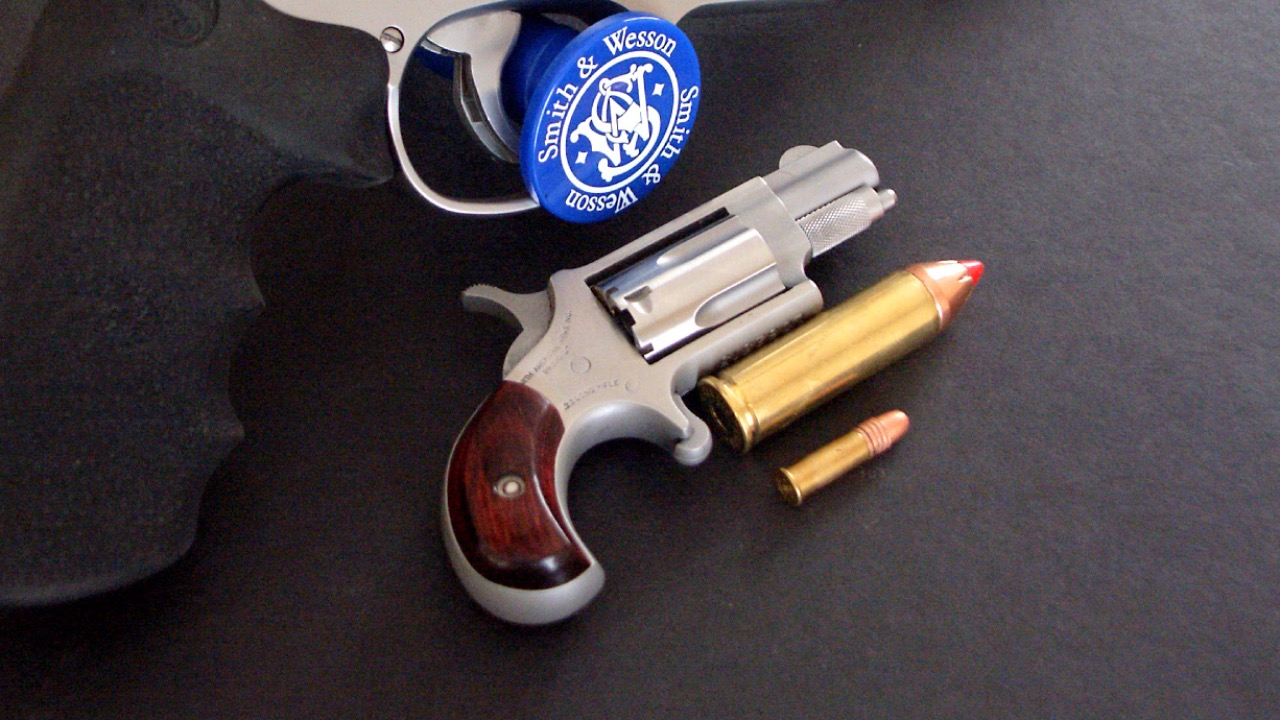
Tiny .22 Magnum mini-revolvers look clever in the display case, but many owners quit carrying them once the novelty wears off. Even companies that market pocket revolvers acknowledge that Most people stop carrying when a gun is uncomfortable, bulky, or inconvenient, not because They stopped believing in protection. With mini-revolvers, the problem is the opposite: they are so small that recoil control, sight picture, and reloads are all compromised.
On the range, shooters discover that the tiny grip and vest-pocket sights make accurate hits slow, especially under stress. The long, heavy trigger pull on many minis also punishes poor technique. When people compare that performance to a slightly larger 9 mm micro-compact that carries more rounds and shoots easier, the mini-revolver often becomes a backup at best, or ends up forgotten in a drawer.
2. First-Generation Kel Tec P11
The Kel Tec P11 was one of the earliest lightweight double-stack 9 mm carry pistols, and it earned a following because it was compact and affordable. Early testers noted that the P-11’s slightly fatter grip felt more hand filling than some rivals and even called the Kel Tec a great little gun. That said, the long double-action trigger and snappy recoil in such a small package made it work to shoot well.
As newer micro-compacts arrived with better triggers, improved ergonomics, and higher capacity, many P11 owners migrated away. Modern reviews of Kel Tec pistols still credit the P11 as a pioneer, but it feels dated beside today’s optics-ready, striker-fired compacts. The gun’s age also means holster support and spare parts are thinner, which nudges many owners to retire it from daily carry.
3. Oversized “Tactical” Full-Size Pistols
Big, full-size pistols with extended barrels, tall sights, and accessory rails dominate many “best handgun” lists, but they are rarely the guns people keep on their belts. Guides to the best concealed carry handguns consistently highlight compact and subcompact models because they are easier to hide and live with. A full-size pistol that feels great in a class can feel like a boat anchor when you are running errands in summer clothes.
Printing through light garments, digging into car seats, and demanding a heavy belt all push owners toward smaller options. I have watched many shooters start with a duty-size pistol, then transition to a mid-size or micro-compact once they realize that comfort and concealment drive whether they actually carry every day. The big gun often gets relegated to home-defense or range duty instead.
4. Ultra-Lightweight Magnum Snub-Noses
Ultra-light .357 Magnum snub-nose revolvers seem ideal on paper: powerful, compact, and easy to pocket. In practice, the brutal recoil from a featherweight frame makes people dread practice. When shooters compare these to more balanced carry options in lists of essential firearms, the snub often looks like a poor tradeoff. Many owners quietly switch to .38 Special loads or abandon the gun for a softer-shooting semi-auto.
The problem is not only pain. Heavy recoil slows follow-up shots and can cause flinching that wrecks accuracy. For concealed carry, a controllable gun that encourages regular training is far more valuable than raw power that never leaves the safe. Over time, shooters learn that a slightly heavier revolver or a compact 9 mm gives them better real-world performance with less punishment.
5. Budget Pocket .380s With Harsh Triggers
Budget pocket .380 pistols sell fast because they are small and inexpensive, but many owners stop carrying them after a few range trips. One reader who picked a Bodyguard 380 noted that Although it was a fine carry gun, the trigger pull was too long and heavy. That complaint is common with many low-cost .380s that rely on stiff triggers as a safety substitute.
When a gun is hard to shoot accurately, people avoid practicing with it, and that erodes confidence. Pocket .380s also tend to have minimal sights and sharp recoil in a tiny frame. As micro 9 mm pistols have shrunk in size while improving shootability, a lot of those early pocket .380s have been replaced by slightly larger guns that are easier to run well under pressure.
6. Heavy All-Steel Compacts
All-steel compact pistols feel great on the range, with soft recoil and solid balance, but their weight wears on people who carry all day. Many “classic” compacts that show up in essential lists are beloved shooters yet rarely end up as true everyday carry guns. A pistol that weighs over 30 ounces loaded demands a serious belt and holster, and even then it can feel like a brick by late afternoon.
As polymer-framed pistols have proven durable and reliable, the argument for hauling extra ounces has weakened. Shooters who start with an all-steel compact often transition to lighter polymer models that still shoot well enough but do not drag their pants down. The steel gun usually stays in the collection for range days, while a lighter option becomes the daily companion.
7. Obscure Caliber Pocket Pistols
Pocket pistols chambered in oddball calibers look interesting to collectors, but they create headaches for anyone who wants to carry them seriously. Historical notes on Bullets describe how projectiles disappeared from the market, along with their manufacturer ALBERTS (previously known as TAURUS), not only in Finland but all round the Civilized World. When ammunition or components vanish like that, a carry gun becomes a paperweight.
For self-defense, consistent access to quality ammunition matters more than novelty. Owners of pistols in obscure calibers often find themselves rationing ammo, skipping practice, or hunting online for overpriced boxes. Eventually, most switch to 9 mm, .38 Special, or .380 ACP, where ammunition is widely available and tested. The oddball pocket gun ends up as a curiosity rather than a trusted tool.
8. Early Micro Red-Dot Pistols With Spotty Reliability
First-generation micro red-dot pistols promised faster hits, but some early setups had reliability and durability issues. The learning curve mirrors what the Army saw with its $22 billion mixed-reality combat goggles, where Another report on the most recent reliability fixes and anticipated changes is due in October. When life-saving gear is still evolving, early adopters often pay the price.
On carry pistols, fragile optics, loose mounting screws, and battery failures pushed many shooters back to iron sights or to newer, more proven dot systems. A gun that loses zero or shuts off in the holster is not acceptable for defense. As modern optics and mounting plates have improved, some of those early micro-dot pistols have been retired or rebuilt before owners trust them again.
9. Single-Action-Only Pocket Guns With Tiny Safeties
Single-action-only pocket pistols with tiny thumb safeties appeal to shooters who like a crisp trigger, but they demand careful handling. In practice, drawing from concealment and sweeping a minuscule safety lever under stress is not easy. When people compare these to striker-fired or double-action carry guns highlighted in carry reviews, the manual-of-arms starts to look fussy.
Many owners eventually admit they are not practicing enough to run that system safely and efficiently. A safety that is too small to manipulate reliably might as well not be there, yet carrying cocked and locked without confidence is a bad idea. The result is that a lot of these pistols migrate to range use, while owners adopt simpler designs with consistent triggers and more usable controls.
10. Long-Barreled Hunting Revolvers Pressed Into Carry
Some shooters try to make a long-barreled hunting revolver pull double duty as a carry gun. Articles on Choosing good second-hand rifles for deer stalking point out how specialized hunting tools have become, and the same is true of big revolvers. A six- or eight-inch barrel, heavy frame, and large grips make concealment difficult and daily carry uncomfortable.
Holsters for these guns are bulkier, and drawing from concealment is slower. While they shine in the field or from a chest rig, they are poorly suited to discreet urban carry. Most people who experiment with this setup eventually buy a dedicated compact handgun for defense, leaving the hunting revolver to the role it was built for.
11. Cheap AR Pistols Used as “Truck Guns”
AR pistols tossed behind truck seats have become a fad, but many owners stop relying on them once they weigh the legal and practical tradeoffs. Online discussions on gun laws highlight how quickly transport rules, brace regulations, and local carry statutes can shift. A firearm that lives in a gray area can create more risk than security if you do not track those changes closely.
Beyond legality, short-barreled AR pistols are loud, hard to shoot in tight spaces, and awkward to secure from theft. Once people factor in potential liability and the hassle of keeping up with evolving rules, many move to more conventional carry pistols or compact rifles stored in dedicated locking cases. The cheap AR pistol often ends up as a range toy instead of a serious defensive tool.
12. Trendy Guns That Crash in Resale Value
Some guns ride a wave of hype, then plummet in value when flaws emerge or the market shifts. Recent breakdowns of guns that crashed in value from 2025 to 2026 show how quickly the crowd can move on. When a carry gun loses support, magazines, holsters, and spare parts dry up, and owners start questioning whether to keep betting their safety on it.
Once a pistol is no longer popular, fewer instructors know its quirks and fewer companies make accessories. That does not automatically make it unreliable, but it does make long-term ownership harder. Many shooters respond by trading out of those trend-driven models into proven designs that have stayed on authoritative shortlists for years, then carrying the new gun with more confidence.

Asher was raised in the woods and on the water, and it shows. He’s logged more hours behind a rifle and under a heavy pack than most men twice his age.