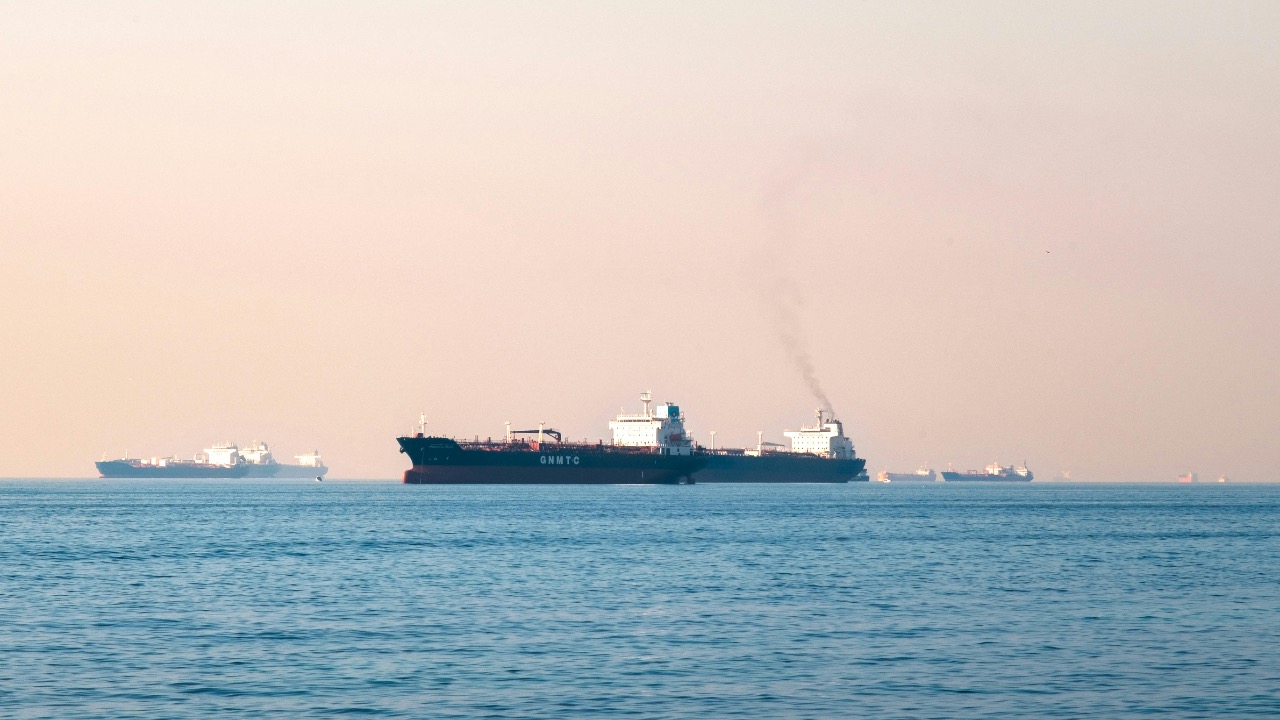
Chinese Oil Tankers Evade Strait of Hormuz by Paying Iran a ‘Tollbooth’ Fee
Chinese-linked oil tankers are continuing to move through the strategically critical Strait of Hormuz despite escalating conflict and naval restrictions, with growing evidence that some vessels are securing passage by effectively paying Iran a “tollbooth” fee.
The arrangement underscores how global energy flows are adapting under pressure in one of the world’s most important—and volatile—shipping chokepoints.
Iran’s “Tollbooth” System Takes Shape
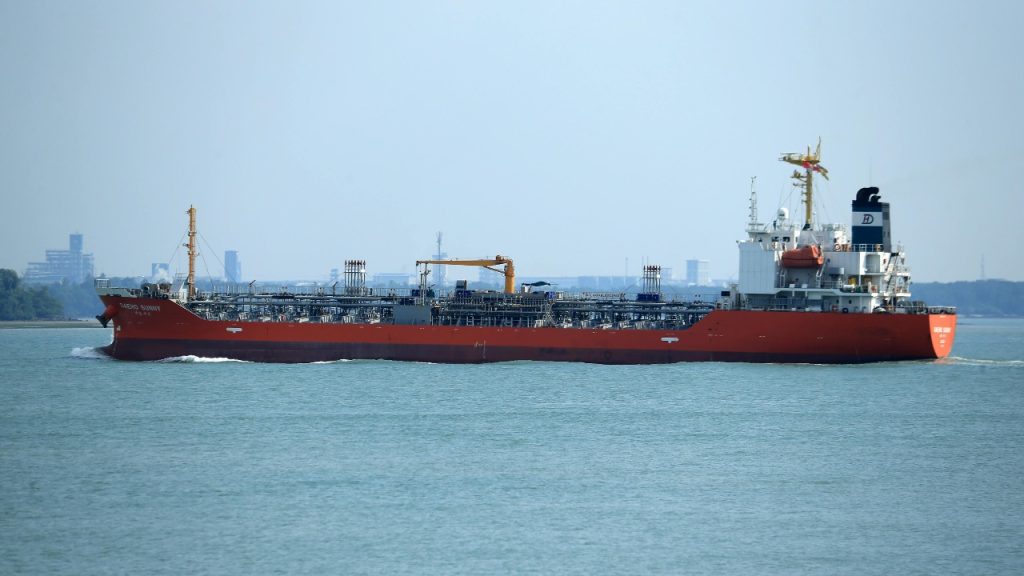
Shipping analysts and regional officials say Iran has introduced a controlled transit system requiring vessels to meet strict conditions before being allowed safe passage.
Reports indicate ships may have to:
- Submit detailed cargo and ownership information
- Be vetted for political alignment
- Follow designated routes near Iranian-controlled waters
- Pay fees reportedly reaching up to $2 million per vessel
Some of these payments are said to be made in Chinese yuan or cryptocurrencies, allowing transactions to bypass Western financial systems.
Analysts have dubbed the system a “tollbooth,” effectively turning access to the strait into a controlled and monetized process.
Chinese Tankers Among the Few Getting Through
Data and reports show that Chinese-affiliated tankers are among the vessels still transiting the strait, even as overall traffic remains sharply reduced.
Iran has explicitly allowed ships from certain countries—including China—to pass during the conflict, reflecting both economic ties and geopolitical alignment.
China is one of Iran’s largest oil customers, and maintaining that flow appears to be a priority for both sides.
Workaround to Conflict and Blockades
The toll system has emerged as a workaround amid overlapping restrictions:
- Iran has threatened or restricted access to ships from the U.S. and its allies
- The U.S. has imposed naval measures targeting Iranian-linked shipping
- Insurance risks and military threats have reduced overall traffic
Despite these challenges, some vessels continue to move oil by complying with Iran’s requirements or using deceptive tactics such as route manipulation and identity masking.
High Stakes for Global Energy
The Strait of Hormuz normally carries about 20% of the world’s oil supply, making any disruption globally significant.
Experts warn that:
- A pay-to-pass system could raise global energy costs
- It may set a precedent for controlling international waterways
- Alternative routes (like pipelines) could become more attractive despite high costs
Some estimates suggest toll revenues could reach billions annually if the system continues at scale.
Legal and Strategic Concerns
The system also raises serious legal questions. Under international maritime law, ships are generally entitled to “innocent passage” through strategic straits without paying fees.
If widely accepted, analysts warn it could challenge long-standing norms of free navigation and potentially encourage similar actions in other global chokepoints.
Bottom Line
Chinese tankers—and a limited number of others—are still moving oil through the Strait of Hormuz, but only by navigating a new reality where access may depend on political alignment, negotiation, and payment.
What looks like a temporary workaround could become something bigger: a shift in how control over global trade routes is exercised during times of conflict.

Leo’s been tracking game and tuning gear since he could stand upright. He’s sharp, driven, and knows how to keep things running when conditions turn.