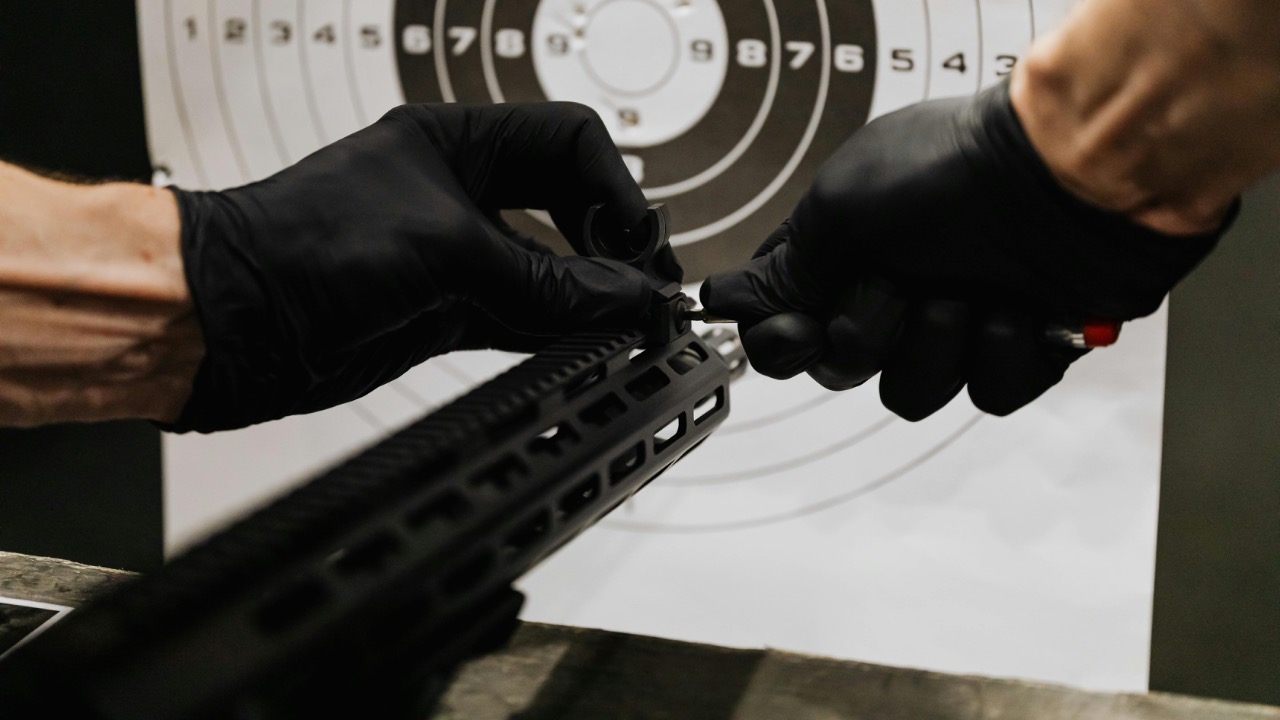
Common Gun Maintenance Habits That Backfire Over Time
Firearms owners often obsess over keeping their guns spotless, yet the habits they rely on can quietly shorten service life, weaken reliability, and even compromise safety. Many of the routines passed along at ranges, in hunting camps, or in military units sound disciplined but actually accelerate wear or mask real problems. The difference between a dependable tool and a temperamental one usually comes down to how it is cleaned, lubricated, inspected, and stored over months and years, not how it looks on any given day.
Common missteps range from over cleaning and drowning parts in oil to ignoring magazines, springs, and storage conditions until a failure appears at the worst possible moment. By looking closely at how those habits backfire over time, and grounding the analysis in guidance from instructors, gunsmiths, and maintenance specialists, firearm owners can replace superstition with evidence based routines that keep rifles, shotguns, and handguns running when they matter most.
Why “more cleaning” does not always mean better care
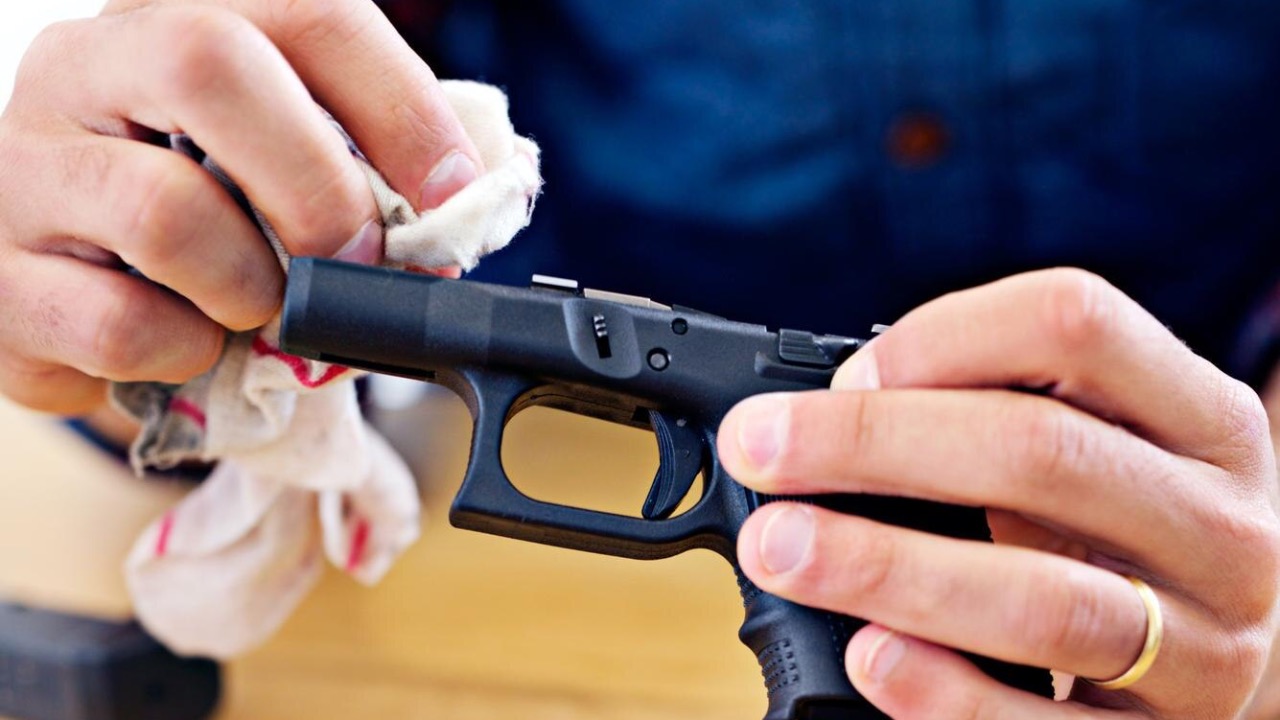
Many shooters equate diligence with frequency, assuming that stripping a firearm to bare metal after every short range trip is the mark of responsibility. In reality, excessive scrubbing can erode protective finishes, round off sharp edges, and prematurely wear small parts that were designed to be disturbed only periodically. Mechanical devices with multiple moving parts, such as modern firearms, are built to operate with a thin film of fouling and lubricant, and constant disassembly can loosen pins or deform springs that should have been left alone until a true service interval.
Specialists who focus on Why Gun Maintenance Matters emphasize that maintenance is about function, not cosmetics, and that a firearm must work reliably when a hunter, competitor, or defender needs it most, rather than simply appearing spotless in a safe. Over time, aggressive use of harsh solvents and abrasive tools in the name of thoroughness can strip away corrosion resistant coatings and expose bare steel to moisture, which undermines long term durability instead of protecting it. Seasoned armorers often advise owners to distinguish between necessary cleaning of critical areas and unnecessary polishing of every surface, because the latter habit slowly trades away service life for short lived shine.
Over cleaning the bore and rifling
Nowhere is the “more is better” myth more visible than in the barrel, where some owners run brush after brush through the bore until patches come out perfectly white. That approach ignores how rifling depends on precise geometry and surface condition, and how repeated contact with stiff rods and aggressive chemicals can round off lands or scratch the throat. Habits That Will Ruin Your Firearm, such as treating the bore like a chimney that must be scoured to bare metal after every outing, can eventually open up groups and degrade accuracy that once seemed effortless.
Experienced competitors and instructors note that light copper fouling can actually help seal the bore and promote consistent velocities, while obsessive removal of every trace of residue risks more harm than benefit. Guidance that stresses cleaning your firearm in a way that keeps the rifling clean, rather than stripped, encourages shooters to use properly sized rods, non marring guides, and moderate intervals instead of daily deep scrubs. Over years of use, that restraint preserves the bore’s integrity, keeps muzzle crowns sharp, and avoids the cumulative damage that stems from turning routine maintenance into a full scale restoration after every magazine.
Neglecting lubrication or drowning the action in oil
If over cleaning is one side of the coin, poor lubrication habits are the other, and both can sabotage reliability. Some owners run guns nearly dry out of fear that oil will attract grit, while others soak slides, bolts, and trigger groups until liquid drips from every seam. Detailed guidance on Maintaining a firearm stresses that Lubrication, lubrication, lubrication is essential, and that Sometimes a properly oiled mechanism is even more important than making sure every surface is perfectly clean. A light, well placed film reduces friction, slows wear on rails and locking lugs, and helps parts cycle smoothly under stress.
At the same time, too much lubricant can pool in hidden recesses, migrate into striker channels or magazine tubes, and mix with carbon to form a sticky paste that gums up the works. Instructors who teach Handgun maintenance 101 warn that owners must follow the Lubrication directions in the manual, apply only a drop or two on specified contact points, and avoid flooding the striker channel or magazine tubes where excess oil can cause sluggish ignition or feeding issues. Over the long run, disciplined oiling prevents rust and metal on metal grinding, while the habit of soaking everything in fluid simply creates a different set of malfunctions that often appear at the worst possible moment.
Field stripping too often and too aggressively
Another maintenance habit that backfires is the urge to field strip or detail strip a firearm after every short session, even when only a handful of rounds were fired. Routine Maintenance for Firearms guidance suggests that deep cleaning is one of several periodic tasks, not something that must follow every magazine, and that Here the focus should be on Deep clean intervals that align with actual use. Constant disassembly wears on takedown levers, roll pins, and small springs, and it increases the odds that a tiny part will be lost or incorrectly reinstalled, especially for newer owners who are still learning each platform’s quirks.
Carrying this mindset into everyday carry pistols can be especially counterproductive. Advice on Everyday Carry Gun Maintenance explains that EDC pistols should be inspected regularly, wiped down to remove sweat and lint, and function checked, rather than torn down to bare frames after a few dry fire reps. Over time, the habit of unnecessary stripping can loosen fit between slide and frame, introduce cosmetic damage that lowers resale value, and erode confidence when reassembly mistakes lead to stoppages. A more measured approach treats field stripping as a tool for addressing real fouling or exposure, not as a ritual that must follow every trigger press.
Ignoring wear, tear, and small parts until they fail
On the opposite end of the spectrum from over cleaning lies simple neglect, particularly when it comes to parts that quietly degrade long before the owner notices a problem. Habits That Will Ruin Your Firearm include Ignoring Wear and Tear on springs, extractors, and firing pins, which can lead to light strikes, failures to extract, or sluggish cycling that are misdiagnosed as ammunition issues. Mechanical components have finite lifespans, and waiting for a failure on the range or in the field before replacing them turns routine maintenance into an urgent repair under pressure.
Detailed checklists on proper weapon maintenance urge owners to inspect parts like springs, barrels, and small pins regularly for wear and tear, and to replace them on a schedule instead of waiting for a catastrophic break. That advice sits alongside reminders that Pebbles, sand, dirt, carbon buildup, and All of the other contaminants that creep into actions will accelerate wear if they are left in place. By building a habit of periodic inspection and proactive part replacement, shooters avoid the frustrating pattern where a gun runs flawlessly for years, then suddenly becomes unreliable because a long ignored component finally gave out.
Misunderstanding cleaning intervals and “every use” advice
Confusion about how often to clean a firearm fuels many of the counterproductive habits that owners develop. Some interpret “after every use” as a directive to fully strip and scrub a gun regardless of whether it saw a single round or a multi day class, while others assume that modern coatings mean they can ignore maintenance for months. Detailed guidance on How often should a gun be cleaned explains that Aug recommendations vary by platform and use case, and that How a firearm is used and stored matters as much as round count. Let the type of shooting, environmental exposure, and storage conditions guide the interval, rather than a rigid calendar rule.
Carry focused instruction from USCCA reinforces that point by advising owners to Clean their firearm after each range session to prevent buildup and maintain accuracy, while also stressing that EDC guns should be inspected frequently for lint, sweat, and debris. That same source highlights Common Maintenance Mistakes to Avoid, such as waiting until a malfunction appears before addressing fouling or corrosion, and frames regular inspection as the key for maintaining peak firearm performance. Over the long term, a balanced schedule that mixes quick wipe downs, periodic bore cleaning, and occasional deep maintenance keeps guns reliable without the wear and frustration that come from either neglect or obsessive over servicing.
Bad tools, harsh chemicals, and finish damage
Even when owners get the frequency right, the tools and products they choose can quietly undo their good intentions. Using steel brushes, improvised rods, or harsh scouring pads on delicate surfaces can scratch bluing, mar polymer frames, and strip protective finishes that guard against rust. A gunsmith in a widely shared video on cleaning mistakes warns against steel brushes or anything that will scratch and mar the finish, and recommends purpose built tools that match the bore and material instead. The same logic appears in advice for kitchen gear, where guides on how to care for chef knives urge users to Skip the scouring pads and harsh cleaners because They strip away the protective finish and can scratch the steel.
Solvent choice matters just as much. Overly aggressive chemicals can attack wood stocks, soften certain plastics, or leach oils from grips and seals, while multipurpose household cleaners may leave residues that interfere with lubricants. Owners who reach for whatever is under the sink risk long term cosmetic and functional damage that could have been avoided with firearm specific products. In contrast, using quality cleaning kits and lubricants designed for a particular firearm type, as maintenance checklists recommend, preserves finishes and materials so that the gun ages gracefully instead of looking battered after only a few seasons.
Forgetting magazines, storage, and environmental exposure
Many shooters focus their care on the gun itself and forget that magazines, safes, and storage conditions can be just as decisive for reliability. Detailed advice on keeping 1911 mags in shape notes that It (1911 mags) is the oil, fouling, dirt, dust, and other abrasive detritus that gets into a mag that can wear it (1911 mags) gritty and cause inconsistent feeding. Neglecting to periodically disassemble and clean magazines, or letting them sit loaded in damp environments, leads to sluggish springs, corroded bodies, and feeding issues that are mistakenly blamed on the pistol or rifle.
Storage habits can either protect or slowly destroy a collection. Guidance on How You Store Your Firearm explains that Finally, proper storage plays a big role in long term maintenance, and that leaving guns in damp cases or poorly ventilated safes encourages rust and pitting. Long Gun Storage Tips highlight that Residue from firing, dust, and other contaminants can cause long term damage if not properly cleaned, and that owners should Establish a routine maintenance and periodic cleaning schedule to prevent deterioration. Simple practices like using dehumidifiers, avoiding foam lined cases for long term storage, and giving guns a light protective wipe before they go into the safe can dramatically extend their service life.
Translating better habits into a long term maintenance plan
Replacing backfiring habits with smarter routines starts with reframing maintenance as an ongoing plan rather than a series of reactions. Resources that explain Why Firearms Maintenance and Cleaning matter for reliability stress that The Importance of Regular Firearm Cleaning lies in preventing performance issues before they appear, since Reliability is directly tied to keeping a firearm in peak condition. That perspective encourages owners to schedule quick wipe downs after handling, periodic function checks, and timed deep cleans, instead of waiting for a malfunction or chasing absolute cleanliness after every outing.

Leo’s been tracking game and tuning gear since he could stand upright. He’s sharp, driven, and knows how to keep things running when conditions turn.