Conservation groups react after controversial wildlife decision
Across the American West, a string of recent wildlife and land use decisions has lit a fire under conservation groups. From desert tortoise habitat in Utah to gray wolf country and old growth timber, advocates say the balance is tipping too far toward development and short term extraction. Their response has been swift and coordinated, with lawsuits, public campaigns, and a renewed push to redefine what “conservation” really means in a hotter, more crowded world.
The latest flashpoints show how quickly a single controversial call by federal or state officials can ripple through entire ecosystems and communities. Hunters, ranchers, tribal governments, and environmental lawyers are all weighing in, often from very different angles, as they fight over highways, logging roads, predator control plans, and endangered species protections. I want to walk through those battles one by one, because together they sketch out where the conservation fight is headed next.
Highway through Red Cliffs puts a conservation promise on trial
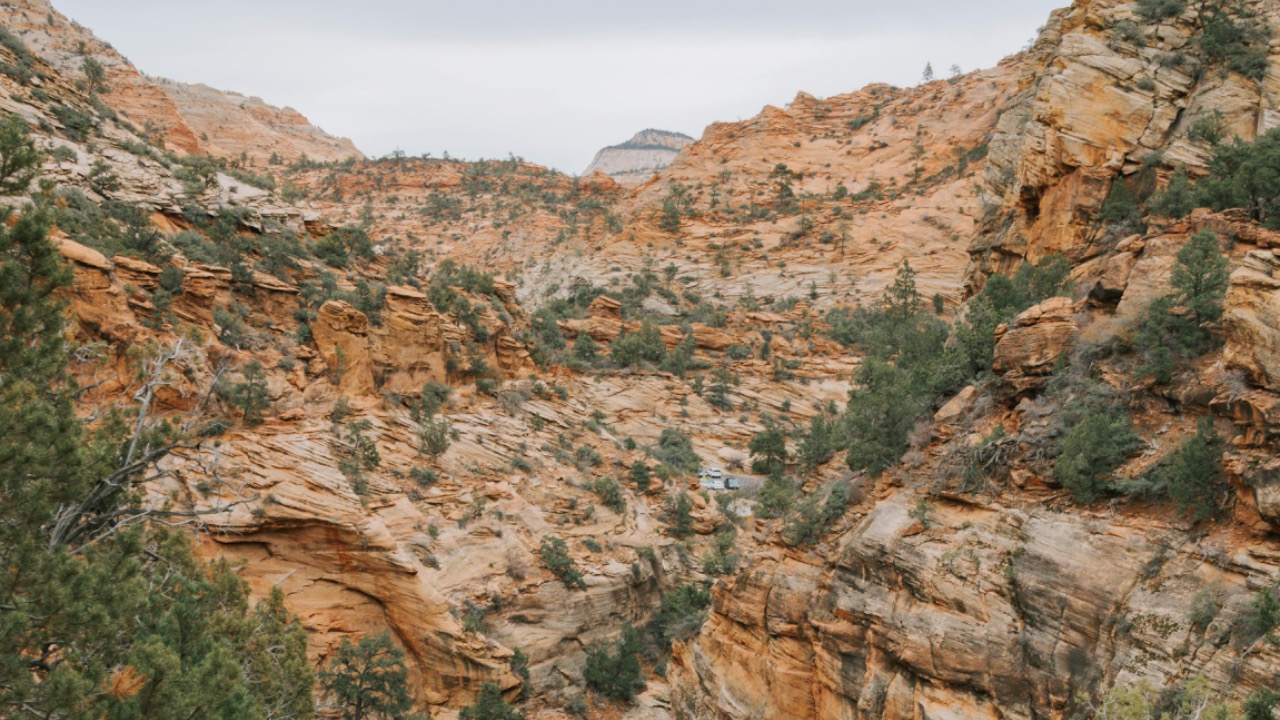
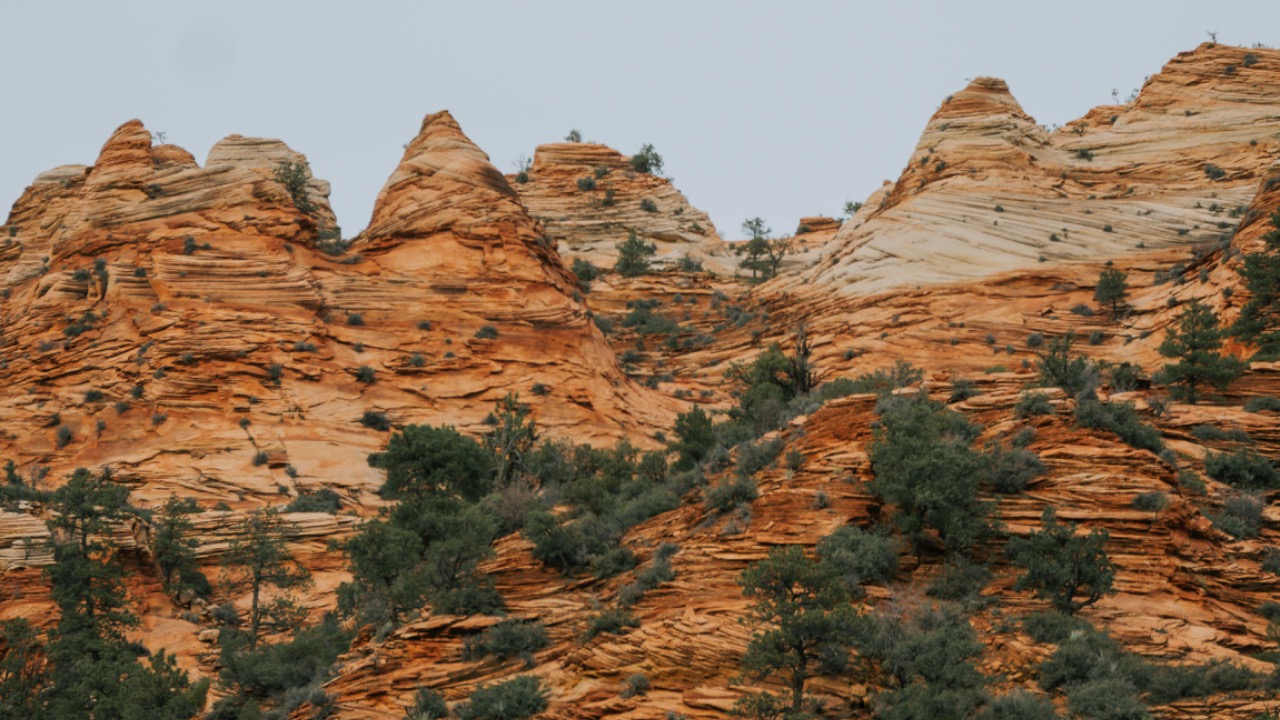
In southwest Utah, conservation groups argue that a proposed highway would punch a permanent hole through a landscape that was supposed to be protected for good. When Congress designated Red Cliffs as a National Conservation Area, that was widely described as a promise that this red rock and desert scrub would be managed for wildlife, recreation, and scenery, not carved up for commuter traffic. Now groups are suing to block what they call an illegal Northern Corridor route that would slice across habitat used by threatened Mojave desert tortoises and other species.
One coalition has gone straight after the Bureau of Land Management, filing a complaint that says the agency’s approval of the road violates the very conservation mandate Congress set for the Red Cliffs National Conservation Area. Another suit from groups including WildEarth Guardians brands the project an “illegal highway” and warns that once pavement goes down, the area’s wildlife corridors and quiet backcountry character will be permanently altered. In their view, the Northern Corridor is not a minor adjustment to a management plan, it is a test of whether National Conservation Area status has real teeth or is just a label that can be worked around when local development pressure builds.
Environmental groups take the Northern Corridor fight to court
The legal fight over the Northern Corridor has quickly become a rallying point for national and local conservation outfits. Environmental plaintiffs say the federal government’s reapproval of the Washington County highway plan ignored key environmental laws and downplayed the damage to tortoise habitat and recreation access. They argue that the route was pushed forward even after earlier concerns were raised about its impact on the conservation area in southwest Utah, and that the process looked more like a rubber stamp than a fresh review.
According to one complaint, Environmental groups filed their lawsuit on a Wednesday, two weeks after the federal government signed off on the Northern Corridor, signaling how fast they were prepared to move. Another report notes that 6 groups decided to sue the federal agencies over the decision to reapprove the Washington County highway plan, arguing that the agencies failed to fully account for the road’s footprint inside the conservation area. For these groups, the courtroom is the only place left to force a hard look at alternatives that would keep heavy traffic out of Red Cliffs.
Washington County’s push for a bypass collides with habitat protection
Local leaders in Washington County have framed the Northern Corridor as a necessary bypass to relieve congestion and support growth around St. George. They argue that without a new east west route, traffic will choke existing roads and slow emergency response times as more homes and businesses go up. That pitch has landed with many residents who are tired of long commutes and see the highway as basic infrastructure, not a land grab. From their perspective, the conservation area can absorb a carefully designed road if it is paired with mitigation and tighter protections elsewhere.
Conservation groups counter that the county is trying to have it both ways, touting the scenic value of the region while pushing a project that would cut through one of its most sensitive corners. In their lawsuits, they point out that the plan would run directly through a national conservation area in southwest Utah that was supposed to be managed primarily for wildlife and recreation, not as a transportation corridor. One filing notes that 6 groups decided to sue the federal government over the decision to reapprove the Washington County highway plan, saying the agencies brushed aside less damaging alternatives. The clash shows how quickly “growth management” can turn into a direct threat to the very landscapes that draw people to a place in the first place.
Logging carveouts, court rulings, and the fight over environmental review
While Utah battles over highways, conservation groups in the Pacific Northwest have been focused on logging rules that they say quietly gutted environmental review. For years, the Forest Service relied on a categorical exclusion that allowed certain logging projects on federal land to skip detailed analysis under the National Environmental Policy Act. The agency established the carveout as one of 25 tools that could be invoked to circumvent a rigorous environmental review process in certain cases, arguing that it would speed up work and reduce paperwork for routine thinning projects.
A federal judge recently sided with conservation plaintiffs who said that shortcut had gone too far. One ruling emphasized that the carveout had become the most used of the categorical exemptions to environmental review and was being used to bypass scrutiny for logging on Federal Land. Another decision stressed that loggers cannot simply Skip Environmental Review on projects that could affect thousands of acres of habitat in Oregon, and that full analysis is needed to understand impacts on streams, wildlife, and fire risk. For conservation groups, those rulings are a rare bright spot, proof that the courts are still willing to enforce the hard look that environmental laws require.
Alaska logging revival and a broader push into wild forests
Farther north, the Trump administration’s decision to revive a controversial Alaska logging project has drawn sharp criticism from conservationists who see it as another step backward for old growth forests. They argue that reopening large scale timber harvest in remote coastal watersheds will fragment habitat for salmon, bears, and migratory birds, and will lock in new road systems that invite more development. The administration and its allies frame the move as a way to support rural jobs and reduce reliance on imported wood, but the scale of the project has alarmed many who spend time in those forests.
The timber industry has pushed back hard on that narrative. Sarah Dahlstrom, director of communications and public relations for Viking Lumber, has argued that critics are overstating the environmental risks and ignoring the economic lifeline that logging provides to small communities. Conservation groups respond that the project was advanced without meaningful consultation with all affected stakeholders, including tribes and subsistence users, and that once roads and clearcuts go in, the character of those forests changes for generations. The fight in Alaska mirrors the debate in Oregon and elsewhere: how much intact forest are we willing to trade for short term timber gains, and who gets to make that call.
Predator control plans ignite backlash in California and beyond
Predator management has always been a lightning rod, and recent moves in California show why. State wildlife officials have floated controversial plans to kill mountain lions in order to protect struggling bighorn sheep herds in rugged desert ranges. The idea is that targeted removal of lions that specialize in hunting sheep could give small, isolated bands of bighorns a chance to rebound. On paper, it is a classic predator prey balancing act, but on the ground it has stirred up a storm.
Reports describe how Officials have sparked backlash with these plans, with critics warning that there is a limit to how much lethal control the public will accept in the name of saving another species. A background document from the Wild Sheep Foundation notes that, with the mountain lion being the main predator of bighorn sheep, a conflict arose in California as biologists weighed whether killing some lions was necessary to help a small number of bighorn grow in population. That kind of tradeoff forces hunters, hikers, and conservationists to wrestle with uncomfortable questions about which species we prioritize and why.
Gray wolves, Montana politics, and a long running cultural fight
Few animals stir stronger feelings than gray wolves, and the latest round of legal and political maneuvering shows that the fight over their future is far from settled. Our relationship with gray wolves is a complicated one, spanning centuries of tension and hostility as settlers and ranchers tried to wipe them out across much of their range. In North America, wolves were nearly exterminated in the lower 48, then slowly brought back through reintroduction and legal protection, only to become the focus of new battles over hunting seasons and delisting.
In Montana, where gray wolves number approximately 1,100, FWP has proposed new hunting and trapping regulations that have drawn fire from both sides. Outdoor sporting groups have appealed a federal court ruling that strengthened wolf protections, arguing that state managers should have more flexibility to set seasons and quotas. Conservation groups, including The Center for Biological Diversity and allies like the Sierra Club, have signaled they are ready to sue over federal wolf decisions they see as too weak, with one report noting that The Center said it intends to file its formal lawsuit in early February to expand protections in reintroduction areas. A separate statement from Congressman Mike Simpson references how the groups, the agency, and states have been locked in ongoing litigation over Judge Molloy’s decision to reinstate protections, with any new rules needing approval from the court in order to go into effect. All of that underscores how wolves remain as much a legal and cultural flashpoint as a biological one.
Youth climate lawsuits and the next generation of conservationists
While older conservation groups wage courtroom battles over highways and hunting seasons, a younger generation is taking a broader view of what “wildlife decisions” really mean. In Montana, youth plaintiffs brought a landmark climate case arguing that the state’s support for fossil fuels violated their constitutional right to a healthy environment. That trial, known as Held v Montana, put scientific evidence about warming temperatures, shrinking snowpack, and wildfire risk front and center, and forced state officials to answer for policies that lock in more emissions.
Reporting on that case notes that Similar lawsuits are pending in four other states, and that a federal suit, Juliana v United States, is also still alive, with climate advocates hoping the Montana trial could inspire more litigation. For many of these young plaintiffs, wildlife is not an isolated issue, it is part of a larger climate story in which hotter, drier conditions squeeze habitat and push species to higher elevations or farther north. A marine biologist quoted in another report warns that “Ten years from now, what you thought you were protecting is not there anymore because they moved [due to climate change],” a reminder that even well drawn boundaries on a map may not be enough if the climate itself keeps shifting. That kind of thinking is starting to seep into how conservation groups talk about everything from marine protected areas to high country elk ranges.
Grassroots voices, rewilding debates, and what “conservation” means now
Beyond the lawsuits and agency rulings, there is a quieter but no less important conversation happening among people who spend their weekends in the woods and on the water. In online forums and local meetings, hunters, anglers, and rewilding advocates are wrestling with how much intervention is acceptable in the name of restoring ecosystems. One Scottish rewilding discussion, for example, features a comment from David Murray arguing that a lot of the local deer population needs to be culled so the land stands a chance of ecological restoration, a blunt acknowledgment that letting herbivore numbers explode can strip hillsides bare and stall forest recovery.

Asher was raised in the woods and on the water, and it shows. He’s logged more hours behind a rifle and under a heavy pack than most men twice his age.