Controversial plan approved to eliminate Catalina Island’s deer population using vehicle-based shooting
California wildlife officials have signed off on a plan to wipe out every mule deer on Catalina Island, using sharpshooters firing from helicopters and trucks to get it done. The move is being sold as habitat restoration, but it has split hunters, locals, and animal advocates over whether this is sound management or a line that should not be crossed. The fight over Catalina’s deer is now a test case for how far agencies will go when non-native game collides with fragile island ecosystems.
I have spent a lot of years around hunters, biologists, and activists who rarely agree on anything, but this operation has them arguing in the same breath about ethics, science, and politics. The plan’s backers say Catalina’s herd is wrecking the island’s native plants and that nothing short of full eradication will work. Opponents see a rushed, “violent and ugly” solution that ignores managed hunting and other tools that could thin the herd without turning the island into a rolling shooting range.
How Catalina’s deer became a flashpoint
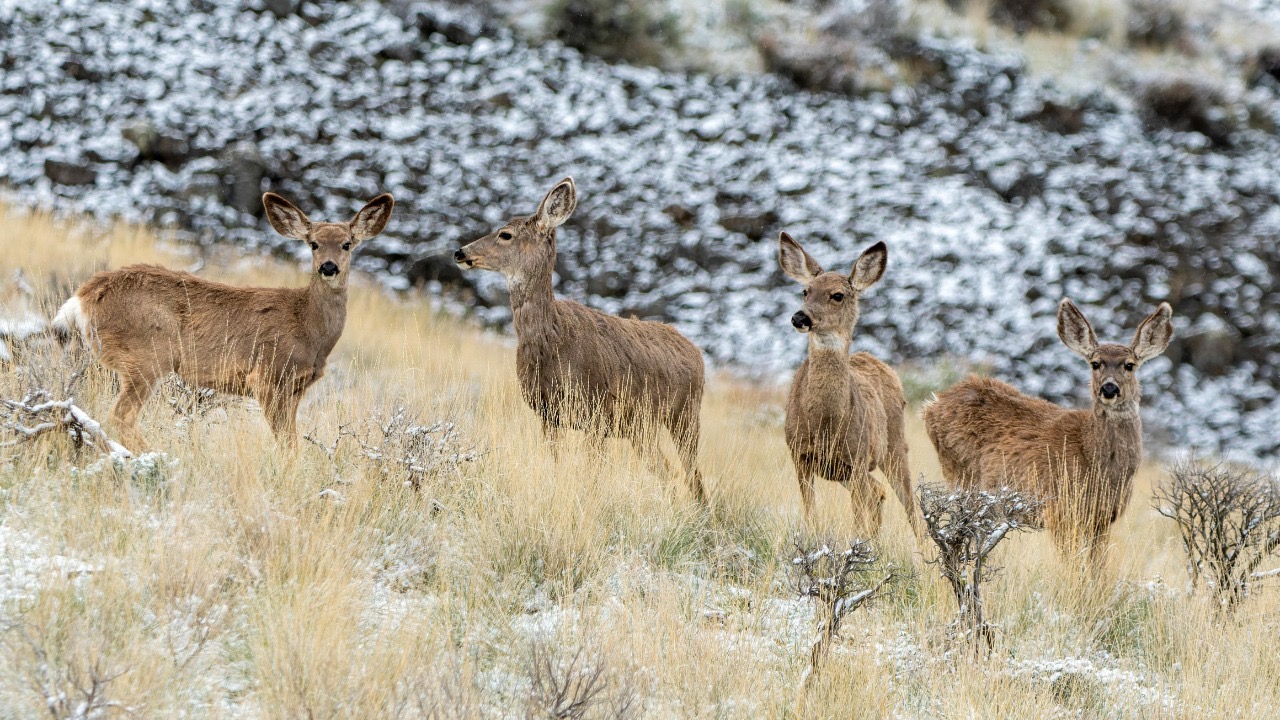
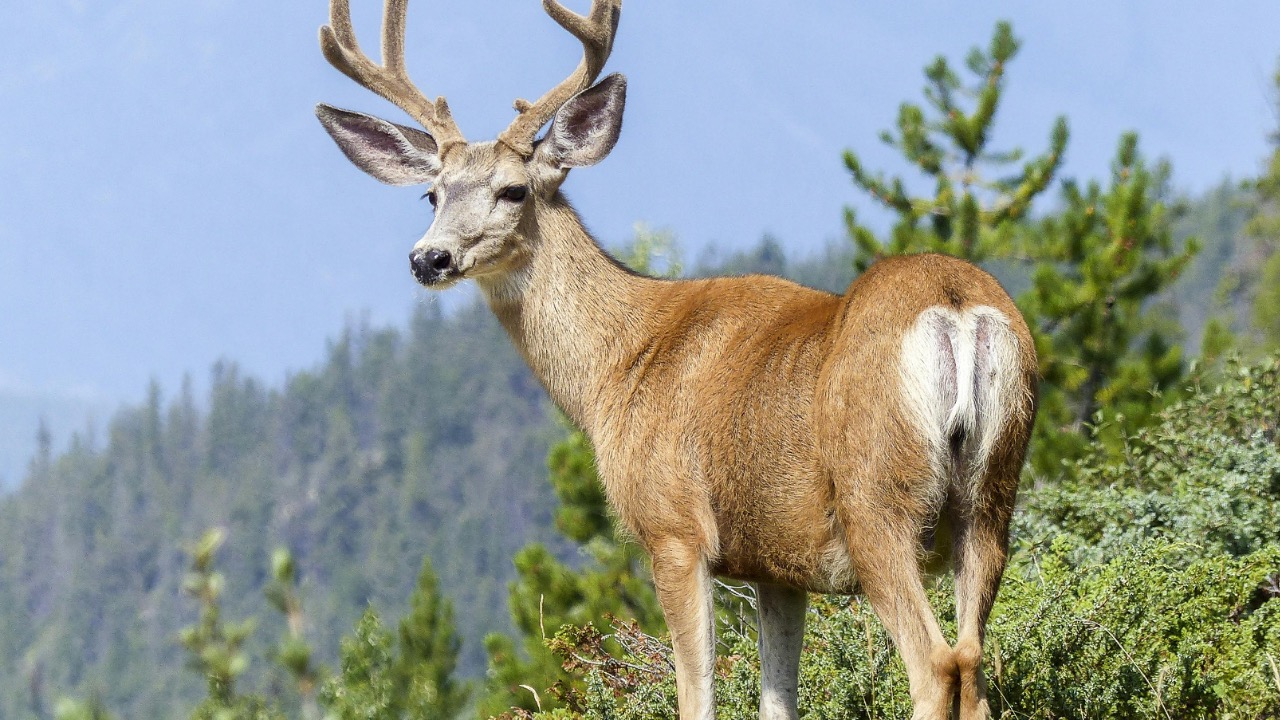
The deer at the center of this storm are mule deer that were brought to Catalina decades ago and have since become a familiar sight to residents and visitors. According to reporting on the decision, California wildlife officials have now approved a plan to eradicate Catalina’s entire deer population as part of a broader effort to restore the island’s native ecosystem, a move that has turned the normally quiet island into a statewide controversy over what responsible wildlife management looks like in 2026. That approval means the animals many people associate with evening drives and glassing sessions from town are now officially labeled a problem to be removed rather than a resource to be managed.
Local coverage notes that Officials OK the plan describe it as necessary to protect Catalina Island’s rare plants and soils, which they say are being hammered by overbrowsing. The Catalina Island Conservancy, which manages most of the island, has argued that the non-native herd is incompatible with long term restoration goals for Catalina Island and that removing the deer is the only way to give native species a real shot at recovery in California’s Channel Islands.
What the state actually approved
Strip away the politics and the core decision is pretty straightforward: The California Department of Fish and Wildlife has agreed to let contractors kill and sterilize thousands of deer over several years. One summary notes that The California Department of Fish and Wildlife signed off on a plan to cull about 1,800 m mule deer over five years to restore native species and habitat, while another report says the same agency expects roughly 2,200 m animals to be killed or sterilized as the work unfolds. Either way, the goal is the same, a deer free island.
State documents and local summaries say the operation will rely on professional sharpshooters working from helicopters and vehicles, using night vision and thermal gear to locate deer in Catalina’s steep canyons and brush. One breakdown of the decision explains that The California Department of Fish and Wildlife (CDFW) approved the use of aerial gunning and other methods to remove invasive mule deer, describing the project as part of a larger push to restore native vegetation on Catalina Island. For hunters used to fair chase rules and public seasons, that kind of tightly controlled, contractor driven cull feels more like a military operation than wildlife management.
Inside the vehicle based sharpshooter plan
The part of this plan that has grabbed the most attention is the way the deer will be killed. Instead of public hunting seasons, the Catalina Island Conservancy and state officials are turning to contracted sharpshooters firing from helicopters and trucks, using high powered rifles and advanced optics to take animals quickly and in large numbers. One account notes that California wildlife officials have approved a controversial plan to eradicate the mule deer population on Catalina using professional teams, with CALIFORNIA agencies emphasizing that the work will be tightly controlled and limited to specific zones on Catal.
Another report describes how the plan, crafted by the Catalina Island Conservancy, calls for sharpshooters to work from both the air and ground, using vehicles to access remote parts of the island and to retrieve carcasses. The Conservancy, which manages most of the island’s interior, has argued that this approach is the most efficient way to reach wary deer that have learned to avoid people, and that it will allow crews to collect more accurate deer population data as they go. A detailed breakdown notes that the plan, crafted by the Catalina Island Conservancy, leans on those vehicle based teams not only to shoot but also to monitor and document the herd as it is reduced.
Why officials say the herd has to go
From the state’s perspective, this is not about opportunity for hunters, it is about protecting a rare island ecosystem that has been under pressure for a long time. California wildlife officials have framed the decision as part of a broader effort to restore Catalina’s native habitat, arguing that the non native deer are stripping vegetation, compacting soils, and preventing natural regeneration of key plant communities. One summary of the emergency decision notes that California wildlife officials have approved a plan to eradicate Catalina’s entire deer population as part of a broader effort to restore native habitat on Catalina, tying the cull directly to long term conservation goals.
The Brief on the decision explains that The California Department of Fish and Wildlife and the Catalina Island Conservancy see the deer as one piece of a larger invasive species problem, alongside feral animals and non native plants that have altered the island’s natural balance. That same overview notes that California agencies have been working with Catalina Island stakeholders since October 2023 to build support for a restoration plan, including community meetings and phased work in a pilot zone before island wide scaling. According to that account, California and Catalina Island managers concluded that partial reductions or fencing would not be enough to protect sensitive areas in California’s only major resort island in the Channel Islands chain.
The Conservancy’s long road to eradication
This plan did not appear overnight. In October 2023, the conservancy proposed a plan to kill the deer as part of a long term restoration strategy, arguing that the herd was incompatible with its mission to protect Catalina’s native plants and wildlife. A detailed local report on What the plan would do explains that the proposal to rid Catalina Island of its mule deer population has been on the table since that fall, with In October marking the point when the conservancy formally laid out its case for full removal rather than incremental control. That early push set the stage for the heated public process that followed.
Another breakdown of the controversy notes that California wildlife officials have now approved a plan to eradicate Catalina Island’s entire deer population, with the conservancy saying the animals are damaging the island’s ecosystem and that previous efforts to manage numbers have not gone far enough. That same coverage points out that What started as a restoration proposal has now become a fully sanctioned eradication plan for Catalina Island of mule deer, with state backing and a multi year timeline that will reshape how people experience the island’s backcountry.
Public backlash, petitions, and a canceled first attempt
Once word got out that helicopters and trucks would be used to shoot deer across Catalina, the backlash was immediate. Thousands of people signed petitions against the plan, arguing that it was inhumane and that the public had not been properly consulted. One summary of the process notes that thousands signed petitions against the eradication effort and that California officials paused an earlier version of the project after intense pushback, forcing the Catalina Island Conservancy to adjust its approach and seek broader community support. That same account explains that The Brief on the decision highlights how California and California Department of Wildlife spent months trying to earn that support before moving ahead again.
Earlier coverage shows just how bumpy that road has been. PREVIOUS reports describe how Catalina Island cancels deer shooting plan after pushback from the public, with the Catalina Island Conservancy withdrawing an initial permit in late January 2026 when opposition boiled over. One detailed recap notes that PREVIOUS COVERAGE of Catalina Island showed that After the Catalina Island Conservancy pulled that first permit, state officials and local managers went back to the drawing board before The California Department of Fish and Wildlife ultimately approved the revised eradication plan that is now moving forward.
Animal advocates call it “state sanctioned slaughter”
Animal rights groups have not minced words about what this all looks like from their side. In Defense of Animals, a national advocacy organization, has blasted the decision as a “state sanctioned slaughter” and accused California of hiding behind restoration language to justify killing every deer on the island. In a media release from CATALINA ISLAND, Calif, the group said it was expressing profound outrage and sorrow following the California decision, with In Defense of Animals arguing that the plan ignores non lethal options and treats living animals as disposable obstacles to a conservation agenda. That statement has become a rallying point for people who see the deer as sentient individuals rather than a management problem.
The same group has doubled down on that message in follow up statements, again describing the operation as a so called restoration plan that will eradicate Catalina deer and urging supporters to pressure California officials to reverse course. In that second release from CATALINA ISLAND, Calif, In Defense of Animals again calls out California for approving the eradication and frames the deer as victims of a policy that prioritizes aesthetics and tourism over compassion. For hunters who care about clean kills and respect for game, some of that rhetoric may feel over the top, but it taps into a real discomfort many people have with large scale culls carried out from helicopters and trucks.
Opponents push managed hunting and other alternatives
Not everyone who opposes the plan comes from the animal rights world. Some of the sharpest criticism has come from people who support hunting but think the state skipped over more measured options. One detailed report on Alternative strategies notes that other ideas were on the table, including fencing the deer into specific areas, relocating animals to the mainland, or even introducing predators to help control numbers. That same account explains that these Alternative proposals were ultimately rejected by California officials, who argued that they were either impractical, too expensive, or carried their own ecological risks for those living on the mainland.
Local opponents on the island have also pitched managed hunting as a middle ground that could reduce deer numbers while giving residents and visiting hunters a chance to participate. A story on Catalina Island deer eradication opponents explains that CALIFORNIA wildlife officials heard proposals for regulated hunts, with tags, seasons, and strict rules, instead of relying solely on contracted sharpshooters. That coverage notes that Opponents argued that managed hunting could thin the herd over time, maintain a public connection to the animals, and avoid the optics of what some have called a “violent and ugly” eradication carried out from vehicles.
How many deer are we really talking about?
One reason this debate has been so heated is that the numbers involved are big for a relatively small island. Different summaries put the target at roughly 1,800 to 2,200 animals, depending on how many are ultimately sterilized instead of shot. A topline breakdown notes that Topline, The California Department of Fish and Wildlife has approved a plan to kill and sterilize roughly 2,200 m mule deer on Catal, while another summary of the same decision says The California Department of Fish and Wildlife approved culling about 1,800 m mule deer over five years to restore native habitat. Either way, for anyone who has glassed those hillsides, that is a lot of deer to remove from a finite landscape.

Asher was raised in the woods and on the water, and it shows. He’s logged more hours behind a rifle and under a heavy pack than most men twice his age.