
Cougar Sightings Rise in Suburban Areas, Prompting Safety Reviews
Wildlife officials across several U.S. states are reporting an increase in cougar sightings near suburban neighborhoods, leading to renewed safety discussions and public warnings for residents living close to wooded or rural-edge communities.
While most cougar encounters remain rare, agencies say the number of confirmed reports and trail-camera detections has been steadily rising in recent years, especially in areas where housing developments expand into natural habitat.
More Sightings Near Neighborhoods
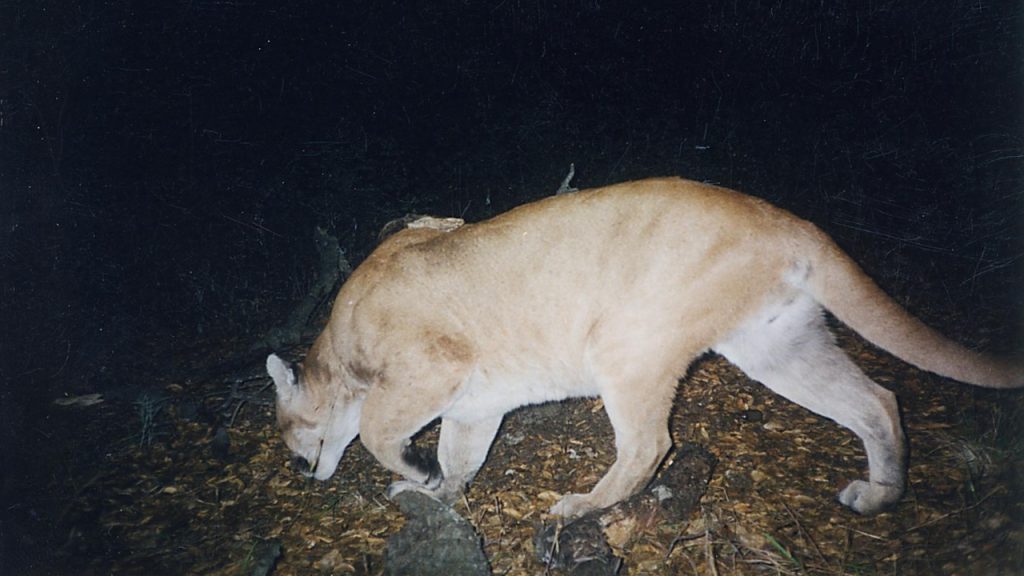
In Washington state, residents near Bellingham have reported multiple cougar sightings over the course of several months, including animals spotted resting in brush near homes and schools. Local officials confirmed repeated activity in residential-adjacent areas, prompting concern among nearby families.
Wildlife agencies say these types of reports are becoming more common in regions where suburban neighborhoods border forest corridors used by deer and other prey animals.
A Wider Trend Across Multiple States
The increase is not limited to one region. Biologists note that cougar sightings and trail-camera confirmations have been rising across parts of the western U.S. and even in areas of the Midwest where the species had previously been considered rare or absent.
In Michigan, for example, the Department of Natural Resources reported record-high cougar sightings in 2025, with confirmed reports nearly doubling over recent years.
Some of those sightings even included evidence suggesting possible reproduction in the wild, a milestone wildlife officials described as historically significant for the region.
Why Cougars Are Showing Up More Often
Experts say the rise in reports doesn’t necessarily mean cougars are suddenly expanding aggressively into cities, but rather that human development is increasingly overlapping with their natural movement patterns.
Common factors include:
- Suburban expansion into forested habitat
- Higher deer populations near residential areas
- Young cougars dispersing into new territory
- Increased use of trail cameras and home security footage
Cougars are naturally wide-ranging animals that can travel long distances, especially young males searching for territory.
What Wildlife Officials Are Telling Residents
In most cases, agencies are not issuing emergency-level warnings, but they are encouraging residents in affected areas to take basic precautions:
- Keep pets indoors, especially at night
- Avoid leaving food sources outside
- Stay aware when hiking near wooded areas
- Report repeated sightings to wildlife authorities
Officials emphasize that cougars typically avoid humans and attacks remain extremely rare, but caution increases when animals begin repeatedly appearing near homes.
When Sightings Become a Concern
Wildlife experts say concern grows when cougars:
- Stay in the same neighborhood for extended periods
- Show little fear of humans or activity
- Hunt near residential areas or livestock
- Appear during daylight hours more frequently
These behaviors may indicate that an animal is becoming accustomed to human presence, which increases the risk of future conflict.
The Bigger Picture
Across the U.S., wildlife agencies say cougar sightings are part of a broader trend of expanding wildlife overlap with human development. Similar patterns are being observed with other species as forests, foothills, and rural land become more populated.
At the same time, better detection tools—like trail cameras and security systems—are also making sightings more visible and widely reported than in the past.
For now, officials say the goal is not to alarm residents, but to help communities adapt to living near a predator that has always been present in many of these ecosystems—just not always this visible.

Leo’s been tracking game and tuning gear since he could stand upright. He’s sharp, driven, and knows how to keep things running when conditions turn.