Pistols That Should Not Be Trusted for Personal Defense
When you decide on a pistol for personal defense, reliability under pressure matters more than anything else. You want a handgun that cycles every round the same way, handles common ammunition without drama, and stays ready even after months in a holster or safe. Over time, certain models have built a track record of repeated malfunctions, poor ergonomics, or construction choices that turn a simple defensive scenario into a gamble. These problems surface in range sessions, user reports, and real-world evaluations from instructors and armorers. The pistols below have shown patterns that make them hard to recommend when your safety hangs in the balance. They may look like a deal or fit a pocket nicely, but they often fall short exactly when you need them most.
Raven Arms MP-25
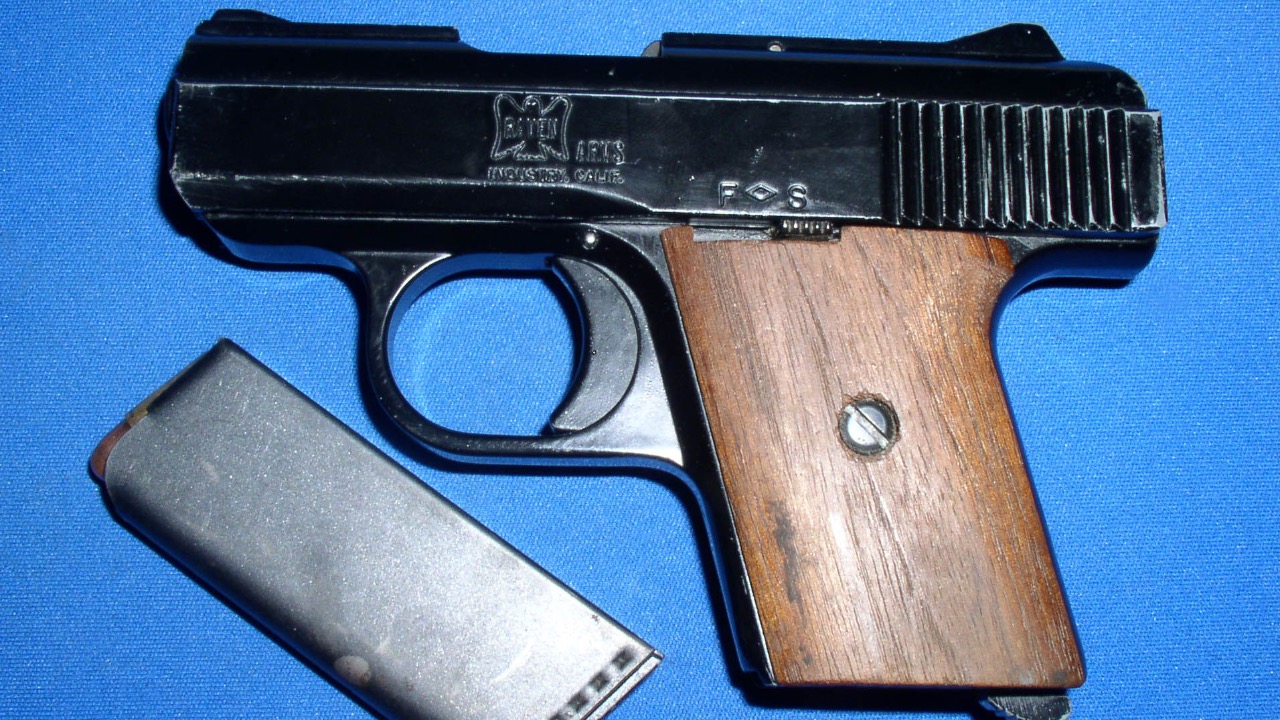
The Raven Arms MP-25 uses basic metals and simple finishing that wear down quickly with regular use. In practice, these pistols develop feeding troubles and extraction problems that appear after only a few hundred rounds. The .25 ACP round itself delivers low energy, so even clean hits require perfect placement to stop a threat. Many older examples also lack reliable drop safety, which adds risk during everyday carry or handling.
Shooters who have tested them over the years report that the tiny sights and grip make fast follow-up shots difficult under stress. When you need the gun to run without hesitation, these traits leave little margin for error in a close-range encounter. For anyone serious about defense, the combination of weak construction and marginal caliber pushes this model off the list entirely.
Jennings J-22
Jennings J-22 pistols rely on rimfire ignition that proves sensitive to dirt, ammo variations, and basic wear. Failures to fire or cycle show up often once the gun gets even slightly fouled. The compact size feels handy at first, yet the short sight radius and minimal grip make accurate shooting challenging when your hands are shaking or the situation moves fast.
Owners frequently note that the trigger feels heavy and the overall handling lacks the confidence needed for defensive work. In a real incident, those handling quirks compound the reliability questions. Experienced evaluators consistently steer people away because the pistol demands perfect conditions to perform, conditions you cannot guarantee when it counts.
Lorcin L380
Lorcin L380 models earned their reputation through spotty performance with everyday defensive ammunition. The blowback design in this small .380 frame struggles with hollow points or lower-pressure loads, leading to frequent stoppages. Combined with a rough trigger pull and basic sights, the pistol makes precise shots harder than they need to be in a hurry.
The grip feels too short for most hands, so recoil control suffers during rapid fire. After extended use, springs and internal parts can weaken, introducing more inconsistency. People who have carried similar pocket autos report losing trust in the gun once they see how it behaves at the range. For personal defense, that uncertainty is exactly what you want to avoid.
Hi-Point C9
The Hi-Point C9 ends up bulkier and heavier than many expect for a 9mm pistol, which complicates concealment and quick draws. Its blowback operation works with standard ammo in controlled testing, yet the large slide and grip slow down reloads and manipulations when speed matters. The heavy trigger also demands more effort for accurate shots on the move.
Shooters often mention that the overall ergonomics feel awkward during extended practice, which discourages the regular training every defensive pistol needs. While some owners get decent results, the design choices limit how effectively you can run the gun under real pressure. When every second and every movement counts, those handling drawbacks make it a poor fit for serious carry.
Taurus PT111 Millennium Pro
Older Taurus PT111 Millennium Pro pistols show uneven quality across production batches, with some units developing feeding or extraction issues over time. The small grip and light frame produce sharp recoil that is hard to manage during fast strings of fire. This combination can throw off your grip and slow your recovery between shots.
Instructors who have seen these models in classes note that the trigger and internal parts sometimes require extra attention to stay reliable. For daily defense, you need equipment that performs the same way every time without constant checking. The history of batch-to-batch differences leaves too many questions for most people who want dependable performance right out of the box.
Remington R51
The Remington R51 arrived with well-documented early problems involving malfunctions and parts wear that affected function in normal use. Even after initial fixes, service and replacement parts remain limited, which complicates long-term ownership. The pistol’s design demands more attention to cleaning and lubrication than many modern alternatives.
Users report that reliability can vary depending on the specific sample, creating doubt when you need absolute confidence. In defensive situations, you cannot afford a gun that might require troubleshooting mid-encounter. The combination of past issues and ongoing support challenges makes this one to set aside in favor of platforms with stronger track records.
SCCY CPX-2
SCCY CPX-2 pistols carry a heavy, long trigger that slows down precise shots and increases the chance of pulling off target under stress. Reliability reports remain mixed, with some units feeding well while others develop issues with magazines or cycling after moderate use. The overall weight and feel do not help when you need to present the gun quickly.
Many evaluators highlight that the trigger and ergonomics require extra practice to overcome, yet even then the results stay inconsistent compared with more refined options. For personal defense, you want a pistol that works naturally without fighting its own mechanics. These traits keep the CPX-2 from earning a spot on most recommended carry lists.
Heizer Defense Pocket AR/AK
Heizer Defense Pocket AR and AK pistols fire full-power rifle rounds from barrels barely over three inches long. The result is extreme muzzle blast, flash, and recoil that make follow-up shots nearly impossible in a defensive setting. The single-shot design also leaves you with only one round before a slow reload.
That combination turns a compact package into something impractical when speed and control matter most. The noise and concussion alone can disorient you or bystanders in close quarters. People who have examined these models agree that the engineering trades away too much practical performance for the sake of size. In any serious self-defense context, they simply do not deliver what you need.

Asher was raised in the woods and on the water, and it shows. He’s logged more hours behind a rifle and under a heavy pack than most men twice his age.