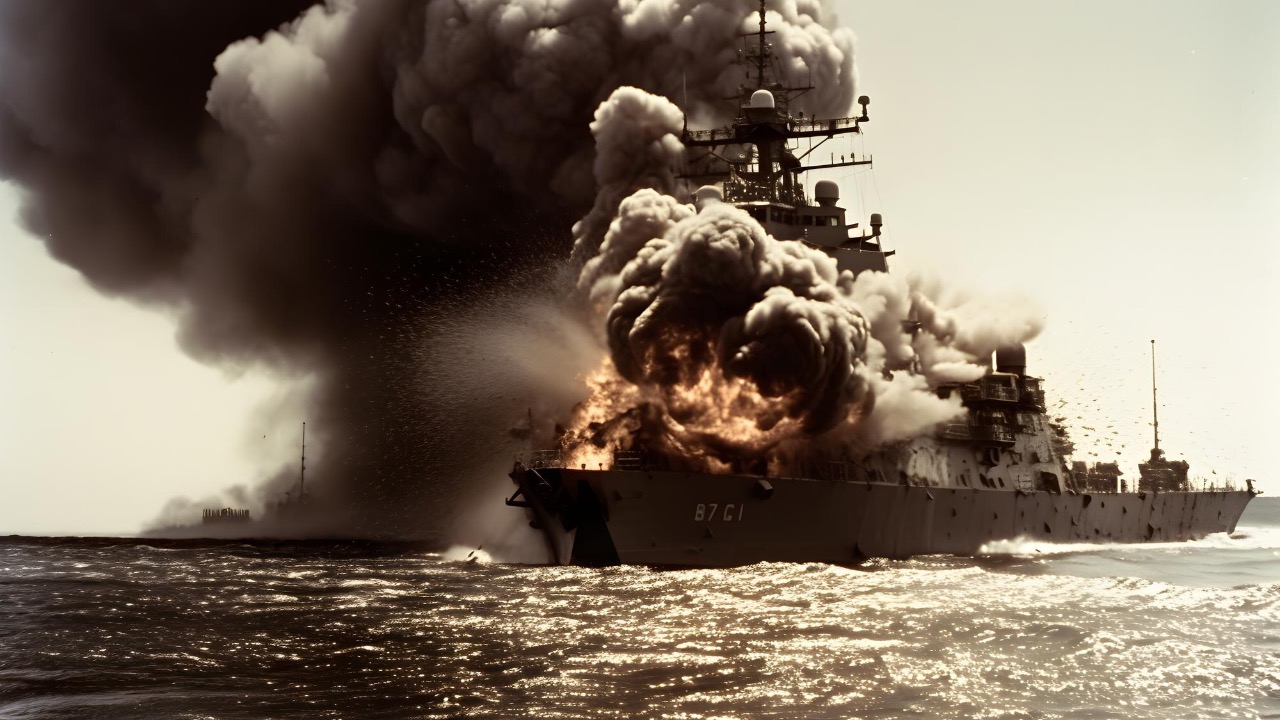
Cruise missile strike damages Israeli warship during active operations
You’ve probably seen the reports popping up this morning about a major claim from Hezbollah. The group says it fired a naval cruise missile that scored a direct hit on an Israeli warship operating far offshore. According to their statement, the strike happened just after midnight on April 5, 2026, some 68 nautical miles from the Lebanese coast. They described the vessel as one preparing to launch attacks on Lebanese territory, and they insist the operation followed hours of careful tracking. This marks the first time Hezbollah has publicly claimed using a cruise missile against an Israeli naval target in the current round of fighting.
The Israeli military responded quickly and flatly. Officials told reporters they have no information about any such incident involving their ships. That denial leaves a clear gap between what one side asserts and what the other acknowledges. Right now, no independent verification has surfaced, and details remain limited to the competing accounts. It’s the kind of development that keeps everyone watching the sea lanes closely, especially given how active naval forces have been in recent months.
Hezbollah’s Account of the Operation
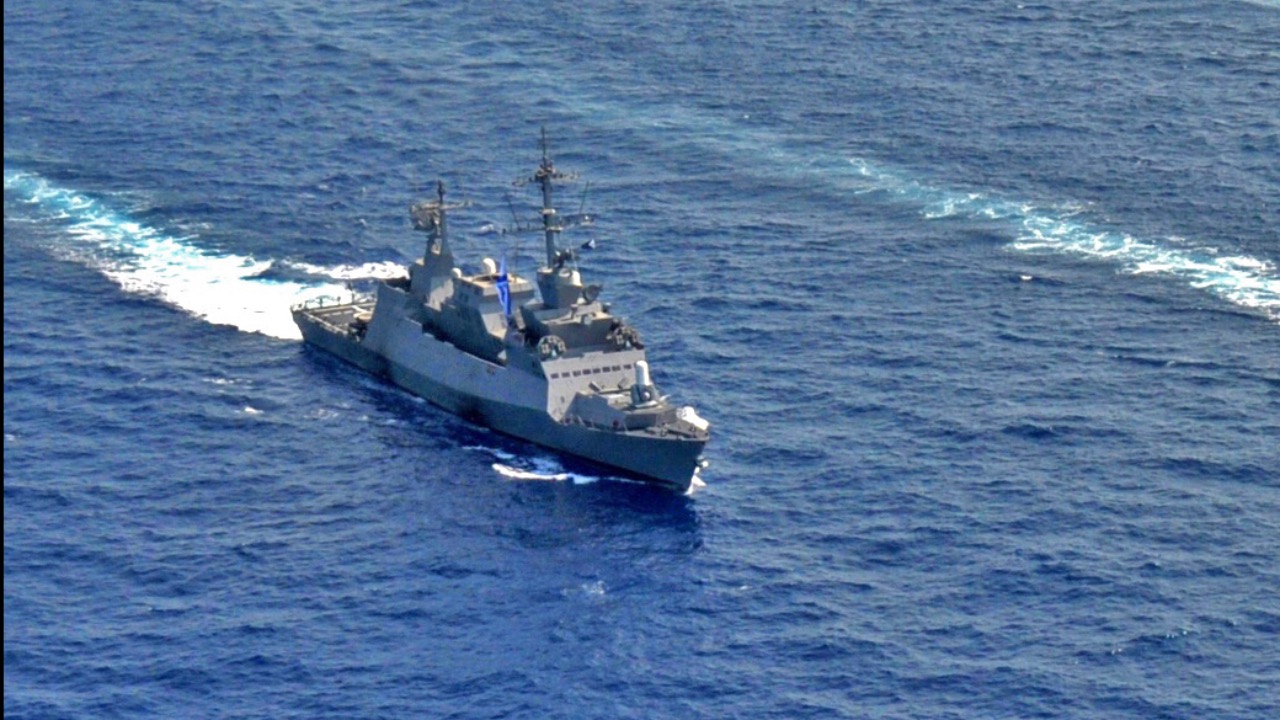
Hezbollah released a precise statement laying out what they say took place. They described monitoring the target for hours before launching the cruise missile at 12:05 a.m. local time. The group identified the ship as an Israeli military vessel positioned 68 nautical miles off the coast, claiming it posed an immediate threat to Lebanese territory. In their words, the strike achieved a confirmed direct hit, marking a notable first in their arsenal use during this conflict.
This announcement came amid a pattern of cross-border exchanges that have intensified over the past year. You can see why the group would highlight the range and precision involved. It signals their ability to reach targets well beyond the immediate coastline, shifting the usual dynamics of naval patrols in the eastern Mediterranean. Still, without visual evidence or third-party confirmation, the claim stands on its own for now.
Israel’s Denial and Military Silence
The Israeli Defense Forces offered a straightforward response when asked directly. They stated they were unaware of any cruise missile strike on their vessels. That position has held steady through the morning, with no updates or clarifications issued so far. It’s consistent with how the military has handled similar unverified claims in the past, choosing not to confirm or speculate publicly.
You might expect more details if damage had occurred, given the high stakes of naval operations. Israeli warships have played a visible role in recent strikes along the Lebanese coast, providing fire support and surveillance. The absence of any acknowledgment here keeps the focus squarely on Hezbollah’s assertion rather than on verified battlefield outcomes. Officials have not elaborated on whether routine patrols were affected or if additional defensive measures are now in place.
The Distance Involved and Its Significance
Sixty-eight nautical miles puts the reported strike well out into the open Mediterranean. That range exceeds most short-range anti-ship systems and suggests the use of a longer-range cruise missile capable of traveling significant distances. For context, that’s roughly 126 kilometers from shore, far enough that the vessel would have been operating in deeper waters typically used for broader patrols or support roles.
Such a distance matters because it expands the area where naval forces must now account for potential threats. You see how this changes the calculation for anyone planning operations near Lebanon. Previously, closer-in engagements dominated the maritime side of the conflict. A successful strike at this remove, if confirmed, would force a rethink of exposure levels and force protection protocols across the fleet.
Parallels to Earlier Naval Incidents
This isn’t the first time Hezbollah has targeted Israeli naval assets. Back in 2006, during the Lebanon war, the group hit the INS Hanit with an anti-ship missile while the corvette patrolled off Beirut. That strike caused significant damage to the vessel’s propulsion and flight deck, though it remained afloat and returned to port under its own power. The incident highlighted vulnerabilities in ship defenses against surprise missile attacks.
Today’s claim echoes that earlier event in some ways, but with a different weapon and much greater standoff distance. The 2006 attack used a shorter-range system fired from closer to shore. If Hezbollah has now demonstrated the ability to reach targets nearly three times farther out, it represents an evolution in their maritime strike options. The comparison helps frame why this latest report draws so much attention from observers tracking the conflict’s progression.
Broader Context of Naval Activity in the Conflict
Israeli warships have conducted repeated strikes on Lebanese targets in recent months, often in coordination with air operations. These missions have focused on disrupting Hezbollah infrastructure and launch sites near the coast. The navy’s role has grown more prominent as the fighting has spread beyond the land border, turning the Mediterranean into another active front.
Hezbollah, for its part, has stepped up its declarations of maritime operations, aiming to deter or respond to those naval moves. The current claim fits into that pattern of reciprocal statements and actions. You can trace the escalation through a series of reported drone and missile launches aimed at Israeli positions, alongside Israeli responses at sea and on land. This latest development simply extends the theater of operations farther offshore.
What the Claim Reveals About Ongoing Tensions
The timing of Hezbollah’s announcement, released on a Sunday morning, comes during a period of heightened alertness across the region. Both sides have been trading fire regularly, with civilian areas and military positions alike coming under pressure. A claimed strike on a warship raises the profile of the maritime domain and signals that neither side intends to limit the scope of engagement.
At the same time, the Israeli denial underscores the difficulty of confirming events in real time at sea. Without wreckage photos, satellite imagery, or crew accounts entering the public record, the story remains one of assertion versus rebuttal. You’re left weighing the credibility of each side’s version while watching for any follow-on developments that might clarify what actually happened.
Looking Ahead to Possible Next Steps
Naval forces on both sides will likely adjust their posture in the wake of this exchange. If the threat of long-range cruise missiles proves credible, Israeli commanders may increase defensive screening or shift operating areas. Hezbollah, having made the claim, will face pressure to demonstrate follow-through in future operations or risk the statement losing impact over time.
The incident also draws attention from outside players monitoring the Mediterranean. Allies and partners with ships in the area now have another data point on the risks involved. For now, the focus stays on whether this develops into a confirmed engagement or fades as another contested report. Either way, it adds to the list of flashpoints that keep the situation tense and unpredictable.

Asher was raised in the woods and on the water, and it shows. He’s logged more hours behind a rifle and under a heavy pack than most men twice his age.