Deadline looms as U.S. officials push for agreement with Iran
As this Tuesday evening plays out in Washington and Tehran, a firm deadline set by President Trump sits at the center of intense efforts to reach an agreement with Iran. You are watching officials on both sides scramble through indirect channels, with the clock ticking toward 8 p.m. Eastern time. The focus is on reopening the Strait of Hormuz and broader steps to ease hostilities that have dragged on since earlier rounds of talks broke down last year.
What makes this moment different is the mix of public threats and private diplomacy that has defined the process for months. Trump has made clear the United States wants concrete commitments from Iran on nuclear issues and safe passage through key shipping lanes. At the same time, Iranian leaders have pushed back with their own conditions while mediators work to bridge the gaps. The stakes feel immediate because any failure to meet the deadline could trigger direct consequences for infrastructure inside Iran.
How this deadline took shape
The timeline traces back to earlier negotiations that started in 2025 and hit serious roadblocks. After those initial talks stalled and conflict erupted, the administration circled back with fresh ultimatums focused on the Strait of Hormuz. Trump first floated shorter windows, then extended them several times as diplomats reported incremental progress through back channels.
By late March the pressure built again, leading to the current cutoff. Officials have described the goal as a workable framework that prevents Iran from advancing its nuclear program while restoring oil flow through the gulf. You can trace the pattern of extensions to moments when mediators signaled movement, yet each delay has come with sharper warnings about what follows if talks collapse.
The strategic importance of the strait
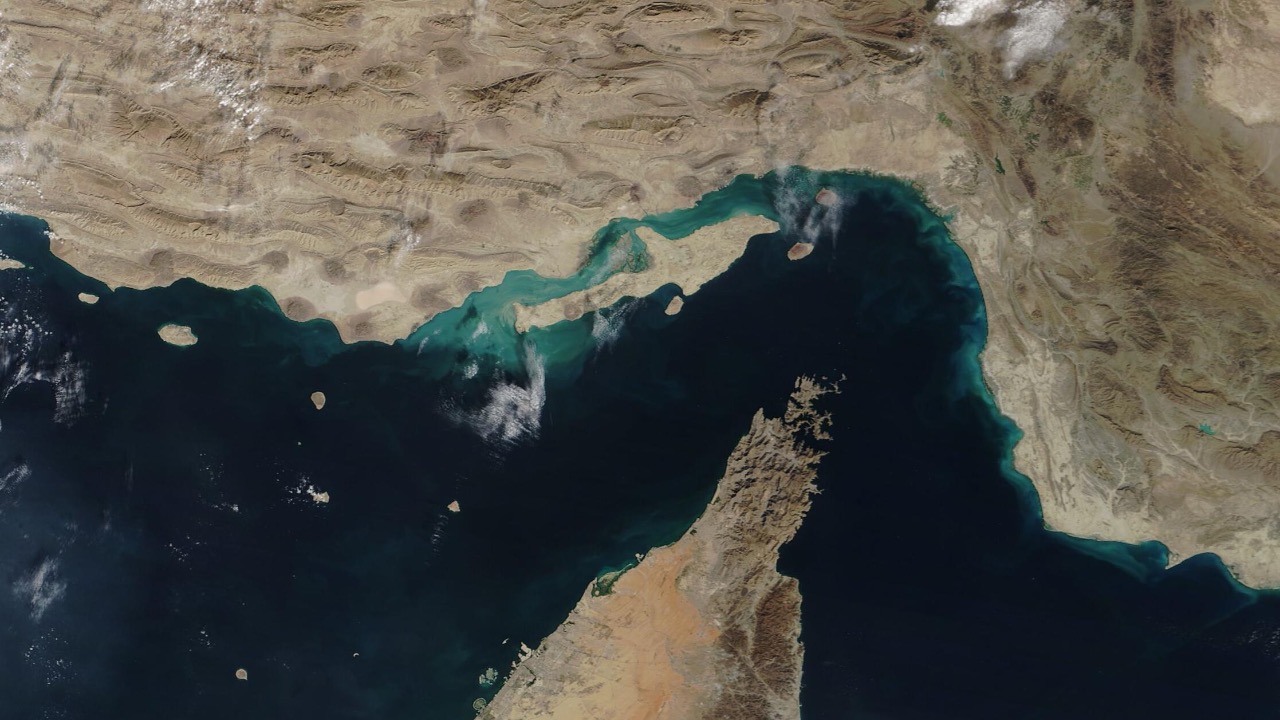
The Strait of Hormuz handles roughly a fifth of global oil shipments during normal times. When Iran restricts traffic there, energy markets react almost instantly with higher prices that reach consumers everywhere. That is why U.S. officials have treated reopening the waterway as a non-negotiable part of any deal.
Iran maintains it closed the route in response to military actions earlier in the year. Restoring safe passage would ease supply worries for Europe, Asia, and the United States alike. At the same time, Iranian leaders argue that permanent security guarantees must accompany any reopening so the strait does not become a bargaining chip again in future disputes.
President Trump’s public stance
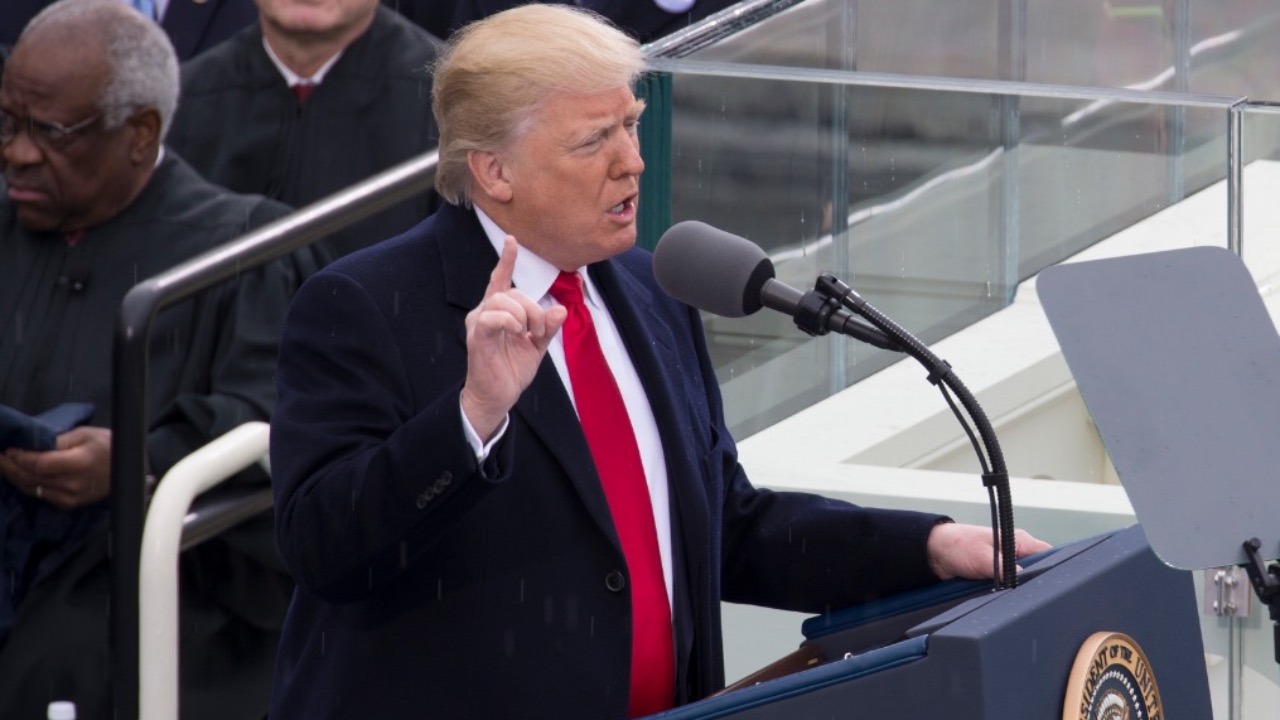
Trump has spoken directly about the need for Iran to accept terms that include verifiable limits on its nuclear activities. In recent statements he described the Tuesday evening cutoff as final, warning that failure to comply would lead to strikes on power plants and bridges across Iran. He has framed the choice as one between a reasonable agreement and severe setbacks for the Iranian economy.
Even while issuing those warnings, Trump has noted that Iranian proposals contain workable elements. His team continues to describe the conversations as productive in private settings, suggesting the door remains open until the deadline passes. The combination of tough language and hints of flexibility keeps both sides engaged through intermediaries.
Iran’s counterproposals and concerns
Iranian officials have put forward a ten-point plan that calls for a permanent end to hostilities rather than a short-term pause. They seek sanctions relief and assurances that damaged infrastructure will not face further attacks. Tehran has rejected temporary cease-fire ideas, insisting any deal must address root causes instead of simply buying time.
At the same time, Iranian leaders have signaled openness to continued talks through trusted third parties. They emphasize that their nuclear program remains for civilian purposes and that they will not accept demands they view as one-sided. This position reflects years of distrust built up since the earlier nuclear agreement fell apart.
Mediators keep the lines open
Pakistan, Oman, Egypt, and Turkey have stepped in to carry messages between the two capitals because direct contact remains limited. Pakistani officials recently asked for a two-week window to finalize details after Iran shared its latest ideas. Those requests reflect the reality that complex agreements rarely come together in hours.
The mediators report that both sides have narrowed differences on several technical points. Still, the gap on core issues like sanctions timing and nuclear restrictions persists. Their work has prevented total breakdown more than once in recent weeks, buying precious time as the deadline approached.
Oil markets feel the tension
Energy traders have watched every statement and extension with close attention. Prices for crude have swung based on rumors of progress or collapse. If the strait stays closed beyond tonight, shipping costs could climb further and push gasoline prices higher at pumps across the United States.
Consumers in Dallas and elsewhere already see the ripple effects in heating bills and transportation costs. Analysts note that a successful agreement would likely calm those markets quickly. Until then, the uncertainty keeps everyone on edge about what the next few days could bring for household budgets.
The broader pattern of U.S.-Iran talks
These current efforts sit inside a longer cycle of negotiation and confrontation that dates back to the 2015 nuclear deal and its later collapse. Each round has tested whether the two governments can find common ground on enrichment limits and regional security. Past breakdowns led to sanctions, protests inside Iran, and eventually military exchanges.
What stands out now is the pace and the personal involvement from senior U.S. figures. The administration has made clear it wants an outcome that lasts beyond any single election cycle. Iranian leaders, for their part, continue to insist on respect for their sovereignty in any final text.
What comes next if the deadline passes
Should no agreement land by 8 p.m., the administration has signaled it will follow through on threats against Iranian infrastructure. Officials have described plans that could disable power generation and key transport links in a short window. At the same time, some aides have left room for last-minute diplomatic breakthroughs even after the clock strikes.
Iranian authorities have prepared civil defense measures and urged citizens to stay vigilant. The coming hours will test whether the mix of pressure and negotiation produces a breakthrough or leads to another chapter of open conflict. For now, the focus remains on whether diplomats can still find a path forward before the deadline expires.

Asher was raised in the woods and on the water, and it shows. He’s logged more hours behind a rifle and under a heavy pack than most men twice his age.