Debate grows over calls to ban controversial hunting practices
You might have caught wind of these stories popping up more and more in the news. Calls to restrict or outright ban certain hunting practices have picked up real steam lately, turning what used to feel like niche arguments into full-blown public fights. Lawmakers in multiple states are stepping in, animal welfare groups are gathering signatures, and even federal moves are stirring the pot. It all centers on methods that critics label unnecessary or outright cruel, while supporters insist they serve practical purposes like population control and habitat management. These debates cut deep because they force you to weigh traditions, science, and ethics against each other in ways that rarely leave anyone neutral.
The Oregon Ballot Measure Shaking Things Up
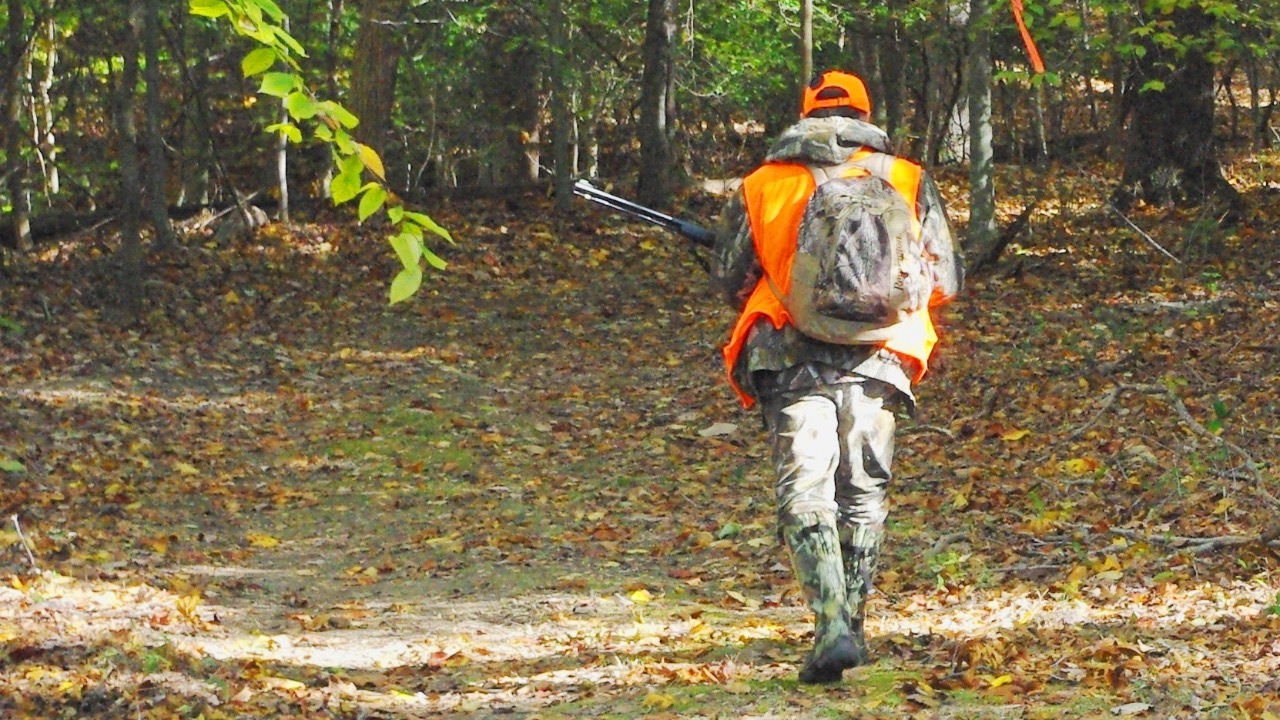
You see groups like the People for the Elimination of Animal Cruelty Exemptions pushing hard in Oregon right now. Their Initiative Petition 28 aims to strip away long-standing exemptions in the state’s animal cruelty laws. If it qualifies for the November 2026 ballot and passes, it could criminalize most forms of hunting, fishing, and even pest control by treating them as intentional harm to animals. Organizers have been collecting signatures since early this year and appear close to the threshold needed to get it before voters.
Supporters frame the effort as a necessary step to protect wildlife from what they view as outdated and harmful activities. They argue the changes would close loopholes that allow routine killing without consequences. Opponents, including the Oregon Hunters Association, warn it would upend entire industries and force major shifts in how people source food and manage land. You can see why tensions run high as the July 2026 signature deadline approaches.
(Word count: 118)
Bear Baiting Under Review in Alaska
You probably remember the federal rules that banned baiting bears with food in national preserves up in Alaska. Now the Trump administration is pushing to roll those restrictions back, reopening the door to the practice for sport hunters. The method involves placing attractants like doughnuts or meat scraps to draw bears into shooting range, something wildlife officials once limited to reduce risks.
Critics point out that it alters natural bear behavior and creates safety hazards for hikers and other visitors who share the same public lands. They worry about increased human-wildlife conflicts and long-term effects on bear populations. Proponents counter that it helps manage numbers in areas where bears have grown too plentiful. The proposal has reignited old arguments about whether such tactics belong in preserved spaces at all.
(Word count: 112)
Colorado’s Beaver Bill and the Slippery Slope Fears
Take a look at Colorado House Bill 1323, which targets private kills of beavers on public lands. Backers say it would help control wildfire risks and ease drought pressure by letting the animals build dams that restore wetlands naturally. Animal protection organizations have lined up behind it as a straightforward environmental win.
Hunters and trappers see something different. They argue the bill represents the opening move in a broader campaign that could eventually outlaw all hunting in the state. Even though Governor Jared Polis has pushed back against those claims, the debate has ballooned far beyond beavers. Public meetings have stretched for hours as people on both sides dig in, turning a targeted policy into a referendum on the future of wildlife management across Colorado.
(Word count: 107)
Hunting Contests Facing National Scrutiny
You might not have followed the push in Congress to ban organized wildlife killing contests on federal public lands. Bills like the Prohibit Wildlife Killing Contests Act target events where participants compete for prizes based on the number or size of animals they take down. Lawmakers behind the measure say these contests serve no real conservation purpose and clash with traditional wildlife management principles.
Advocates for the ban highlight how they encourage wasteful killing rather than selective harvesting. They point to growing public discomfort with turning animals into trophies for cash or bragging rights. Hunters who oppose the contests insist most responsible sportsmen already avoid them, but they fear any new federal rule could open the door to tighter restrictions on everyday activities. The conversation keeps evolving as more states consider similar limits.
(Word count: 114)
Trail Hunting Debates in the United Kingdom
Across the Atlantic, the UK government just launched a public consultation on banning trail hunting in England and Wales. The practice involves laying artificial scents for hounds to follow, which supporters say complies with existing fox hunting bans while keeping traditional hound work alive. Animal welfare campaigners call it a loophole that effectively allows illegal chases.
The consultation, promised in the 2024 Labour manifesto, marks a concrete step toward potential prohibition. Rural communities worry about job losses and the future of certain dog breeds if the activity disappears. You can feel the divide between those who see it as harmless heritage and those who view it as a direct threat to animal welfare laws. The next few months of feedback will likely decide its fate.
(Word count: 105)
Trophy Hunting Imports and Global Pushback
Belgium’s Constitutional Court recently upheld a ban on importing certain hunting trophies, rejecting an appeal that had challenged the 2024 law. Similar efforts continue elsewhere, with countries tightening rules on bringing back heads, hides, or other parts from big-game animals killed abroad. The moves reflect growing unease about practices that many believe do little to support actual conservation.
Animal welfare groups celebrate these restrictions as progress toward protecting threatened species. They argue the money spent on such hunts rarely trickles down to local communities in meaningful ways. Hunters who participate in legal international programs counter that regulated trophy fees fund anti-poaching efforts and habitat protection. The back-and-forth shows no signs of slowing as more nations weigh their own import policies.
(Word count: 110)
What Animal Advocates Bring to the Table
Animal welfare organizations keep pressing the point that some hunting methods cross an ethical line. They focus on practices that confine animals, use bait to stack the odds, or turn killing into entertainment. Their campaigns emphasize science showing stress on wildlife populations and public lands when these tactics become routine.
You hear them stress that modern alternatives exist for population control and that public sentiment has shifted away from accepting anything goes in the name of sport. They present data on declining support for certain traditions and highlight how younger generations increasingly question the necessity. The goal, they say, is not to end all hunting but to draw firmer lines around what counts as acceptable.
(Word count: 102)
Hunters Push Back on the Bans
Hunters and their organizations respond that these proposed bans overlook the role they play in funding conservation through license fees and equipment taxes. They point to decades of successful wildlife restoration programs built on regulated hunting. Many argue that targeted restrictions ignore the careful management plans already in place at state and federal levels.
You also hear concerns about economic fallout in rural areas where hunting supports jobs and local businesses. Supporters of traditional methods insist they follow strict seasons, bag limits, and ethical codes that prioritize fair chase. They worry that lumping responsible practices in with the controversial ones risks losing public support for the whole activity. The divide often comes down to differing views on what responsible management actually looks like.
(Word count: 108)
How These Debates Affect You Directly
These fights matter to you because they shape how public lands get used, what shows up on your dinner table, and even how tax dollars get spent on wildlife programs. Whether you hunt or not, the outcomes could change access to recreation areas, influence food costs, and alter ecosystems in your own backyard. Pay attention to the ballot measures and bills moving forward. They reflect bigger questions about balancing human traditions with changing views on animals and the environment. Staying informed helps you decide where you stand as these conversations keep unfolding.

Asher was raised in the woods and on the water, and it shows. He’s logged more hours behind a rifle and under a heavy pack than most men twice his age.