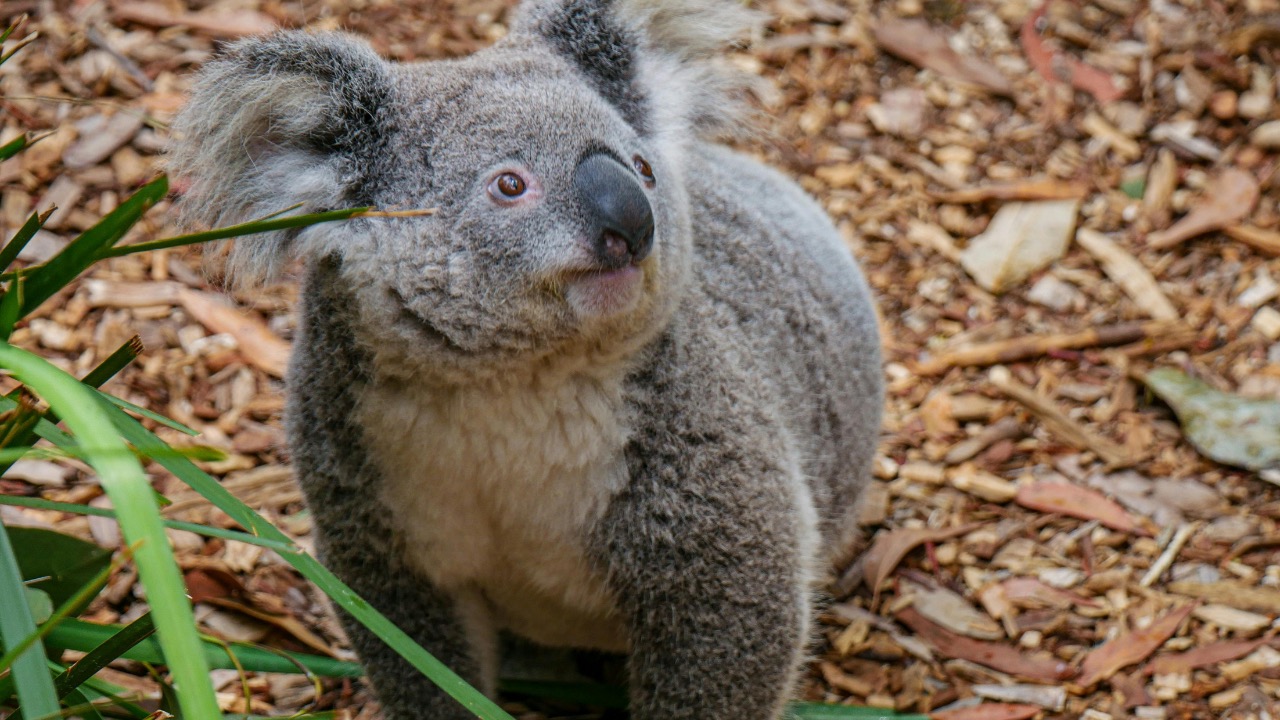
Koala killed in violent attack—suspect identified
A beloved koala has died after what authorities describe as a violent dragging attack involving a vehicle, an incident that has shocked wildlife carers and reignited debate over how Australia protects its most vulnerable native animals. Investigators say a suspect has now been identified, and the case is quickly becoming a test of how seriously the legal system treats deliberate cruelty against a species already under intense pressure from habitat loss and other human activity.
The koala, found with catastrophic injuries and later euthanized, has become a symbol of the gap between the affection many Australians feel for these animals and the dangers that koalas still face on suburban streets and in logged forests. As details of the attack emerge, conservation groups are calling for tougher penalties, better enforcement and a broader rethink of how communities share space with wildlife.
The attack that horrified carers
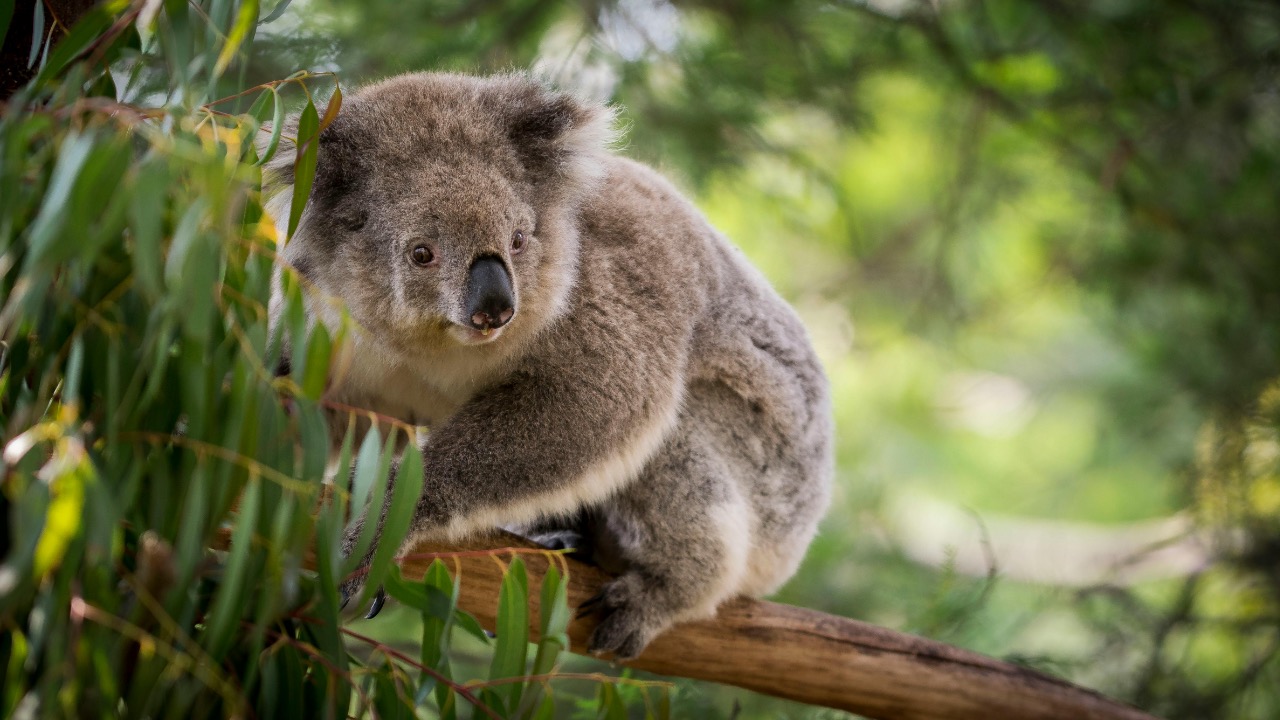
Wildlife volunteers say the animal was discovered after witnesses reported a koala being dragged along a residential street by a vehicle. By the time rescuers reached the scene, the koala was in extreme distress, with injuries consistent with being pulled along the road at speed. According to carers at Mosswood Wildlife, the animal had deep abrasions across much of its body and was struggling to breathe.
One rescuer described how, when the koala arrived, it was gurgling blood and clearly suffering. Veterinarians later confirmed a broken jaw and extensive trauma that could not be reversed. The decision was made to euthanize the animal to end its pain, a choice that has left carers devastated but convinced there was no chance of meaningful recovery.
The brutality of the injuries has fueled anger among local residents who regularly see koalas crossing nearby roads or resting in backyard trees. For many, the idea that someone would intentionally drag such an animal with a vehicle has crossed a line from negligence into deliberate cruelty.
Suspect identified and a community demands justice
Police investigating the case say they have identified a suspect in connection with the dragging incident. Authorities have not yet released a name, but wildlife advocates are watching closely to see whether charges will reflect the severity of the attack. Early information suggests the person of interest was driving along a suburban street at about 5 p.m., a time when local carers say koalas are often on the move between food trees.
One advocate, identified in reports as Edwards, told ABC that the attack was not an accident but a choice, carried out in full view of a residential neighborhood. That assessment has intensified public pressure on investigators to pursue the strongest available animal cruelty charges.
As the case moves forward, residents and wildlife groups are organizing petitions and letter‑writing campaigns, arguing that the outcome will send a message about how seriously the justice system treats violent acts against native animals. Many say they are tired of seeing cases resolved with small fines or suspended sentences, especially when the victim is a species that Australia publicly celebrates as a national icon.
A beloved species under strain
The attack has drawn renewed attention to the fragile status of koalas across much of their range. The species, often romanticized as sleepy and gentle, is listed as vulnerable in several Australian jurisdictions because of a combination of habitat loss, disease and vehicle strikes. Conservation groups point out that the same suburban growth that brings people closer to koalas also increases the risk of conflict and injury.
Basic information about the animal, from its eucalyptus diet to its limited ability to escape fast‑moving cars, is widely accessible through resources such as koala fact sheets. Yet carers say that knowledge has not translated into consistent protection on the ground. Koalas are still frequently hit by cars, attacked by dogs or displaced when trees are cleared for housing and infrastructure.
In many coastal and regional communities, residents now see fewer koalas than they did a decade ago. Wildlife hospitals report a steady stream of injured animals, with car collisions and dog attacks among the most common causes of admission. The dragging incident has become a particularly shocking example of how human behavior can turn deadly for an already stressed species.
Inside the final hours of the injured koala
Accounts from Mosswood Wildlife volunteers offer a stark picture of the koala’s final hours. When the call came in, rescuers rushed to the scene, expecting another vehicle strike of the sort they see regularly. Instead, they found an animal whose injuries suggested it had been pulled along the road for a significant distance, with fur and skin stripped away and signs of severe internal trauma.
Transported to a veterinarian, the koala was sedated and assessed. The broken jaw meant it would not have been able to eat normally again without extensive intervention, and the deep abrasions carried a high risk of infection even if the animal had survived the initial shock. According to reports, the koala was in such extreme distress that the veterinary team judged euthanasia the only humane option.
For carers who had fought to save previous patients with broken limbs or infections, the decision was heartbreaking. Many have spoken about the emotional toll of seeing an animal that is widely loved for its gentle demeanor subjected to such violence. Their comments have fueled a broader conversation about how society values native wildlife compared with pets or livestock.
Why this case feels different
Australia has seen many incidents of koalas harmed by vehicles, but most involve accidental collisions. What sets this case apart, according to advocates, is the allegation that the driver knowingly dragged the animal along the road. Edwards has described the event as a brazen act carried out on a residential street in early evening, when any passerby could have seen what was happening.
That sense of deliberate cruelty has triggered a wave of public anger that goes beyond the usual calls for safer driving. Community members are asking why someone would treat a wild animal in a way that would be unthinkable for a dog or cat. They are also questioning whether existing laws and penalties are strong enough to deter similar behavior in the future.
Legal experts note that animal cruelty statutes often focus on companion animals or farmed species, while penalties for harming wildlife can be more limited or harder to enforce. The koala’s death is prompting fresh scrutiny of how these laws are written and applied, especially when the victim is a protected native species.
Patterns of violence and neglect toward koalas
The dragging incident is not occurring in isolation. Conservationists point to a pattern of harm that ranges from individual acts of cruelty to large‑scale habitat destruction. One of the most disturbing examples in recent years involved a so‑called koala massacre on a logging plantation in Victori, where hundreds of animals were found dead or injured after trees were felled. Footage of that event, available in a widely shared video report, showed the scale of suffering that can result when commercial operations fail to account for wildlife.
In that case, koalas that had been living in plantation trees were crushed, stranded or left without food when logging advanced too quickly. Volunteers who arrived at the site described scenes of chaos, with injured animals scattered across the cleared land. The incident prompted public outrage and forced authorities to review how logging is regulated in areas known to support koala populations.
Together, the plantation deaths in Victori and the recent dragging attack form a grim narrative about how vulnerable koalas are to both deliberate harm and systemic neglect. Whether through reckless driving, targeted cruelty or industrial activity that ignores their presence, the animals often pay the price for human decisions.
Calls for tougher penalties and stronger enforcement
In the wake of the dragging case, wildlife advocates are demanding that prosecutors pursue the maximum penalties available for animal cruelty. They argue that anything less would send a message that violence against native animals is a minor offense. Some are pushing for legislative changes that would explicitly classify severe acts against protected species as aggravated crimes, with higher fines and longer potential jail terms.
Campaigners also want better enforcement of existing laws. They point out that many incidents of cruelty or neglect never reach court because they are not investigated thoroughly or because evidence is lost. In this case, the identification of a suspect has given advocates hope that the system will respond decisively. They say a strong outcome would not only deliver justice for the koala but also deter others who might consider harming wildlife.
The debate extends to how communities can support enforcement. Residents are being encouraged to report suspicious behavior quickly, document what they see when it is safe to do so and cooperate with investigators. Wildlife groups argue that without public involvement, authorities will struggle to build strong cases, especially when incidents occur in remote or lightly populated areas.
What the incident reveals about human–wildlife coexistence
The dragging attack has also become a flashpoint in a broader conversation about how Australians live alongside native animals. Urban expansion has pushed housing and roads deeper into koala habitat, creating more points of contact between people and wildlife. While many residents enjoy seeing koalas in their neighborhoods, the animals are often navigating a dangerous mix of cars, dogs and fragmented tree corridors.
Conservationists say the latest case highlights the need for practical measures that protect koalas in built‑up areas. These include lower speed limits on known wildlife corridors, fencing that guides animals toward safe crossings and public education campaigns about what to do when a koala is spotted near a road. Some councils have experimented with koala‑friendly infrastructure such as rope bridges and underpasses, though funding and maintenance remain challenges.
There is also growing interest in community‑based monitoring, where residents log koala sightings through smartphone apps so that planners and scientists can map movement patterns. Such data can inform decisions about where to place speed signs, where to preserve key trees and how to design new developments that leave room for wildlife.
Global attention and the role of media
The brutality of the attack and the iconic status of koalas have drawn attention beyond the local community. International coverage has highlighted the case as an example of the tension between Australia’s reputation for unique wildlife and the reality of ongoing threats. Images of the injured animal and quotes from devastated carers have circulated widely, prompting donations to wildlife hospitals and rescue groups.
One widely shared report described how a beloved koala, pictured in images from RZSS and MEGA, died after the dragging incident and how the community rallied around carers such as Sheena Wright, who has become a prominent voice calling for accountability. That account, accessible through detailed coverage, has helped frame the story as both a local tragedy and a national test of values.

Leo’s been tracking game and tuning gear since he could stand upright. He’s sharp, driven, and knows how to keep things running when conditions turn.