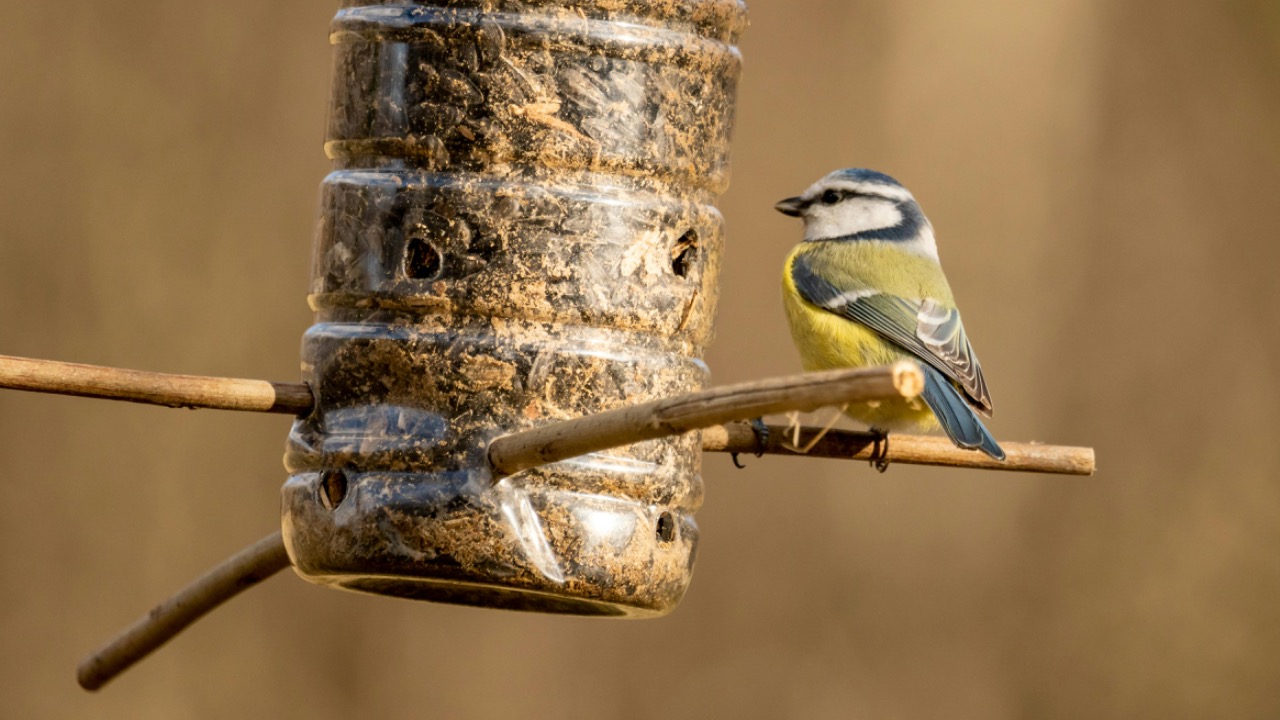
Debate Intensifies Over Bird Feeders and Their Effects on Wildlife Behavior
You hang a feeder to bring birds closer, maybe to watch them over coffee or keep them around through winter. It feels harmless, even helpful. In a lot of cases, it is. But the more common feeders have become, the more biologists and hunters alike have started to look at the ripple effects.
What you’re seeing now is a real debate—not between people who care and people who don’t, but between different ideas of what “helping wildlife” actually means. Feeders change behavior. The question is how much, and whether those changes matter in the long run.
Feeders Concentrate Birds in Ways Nature Usually Doesn’t
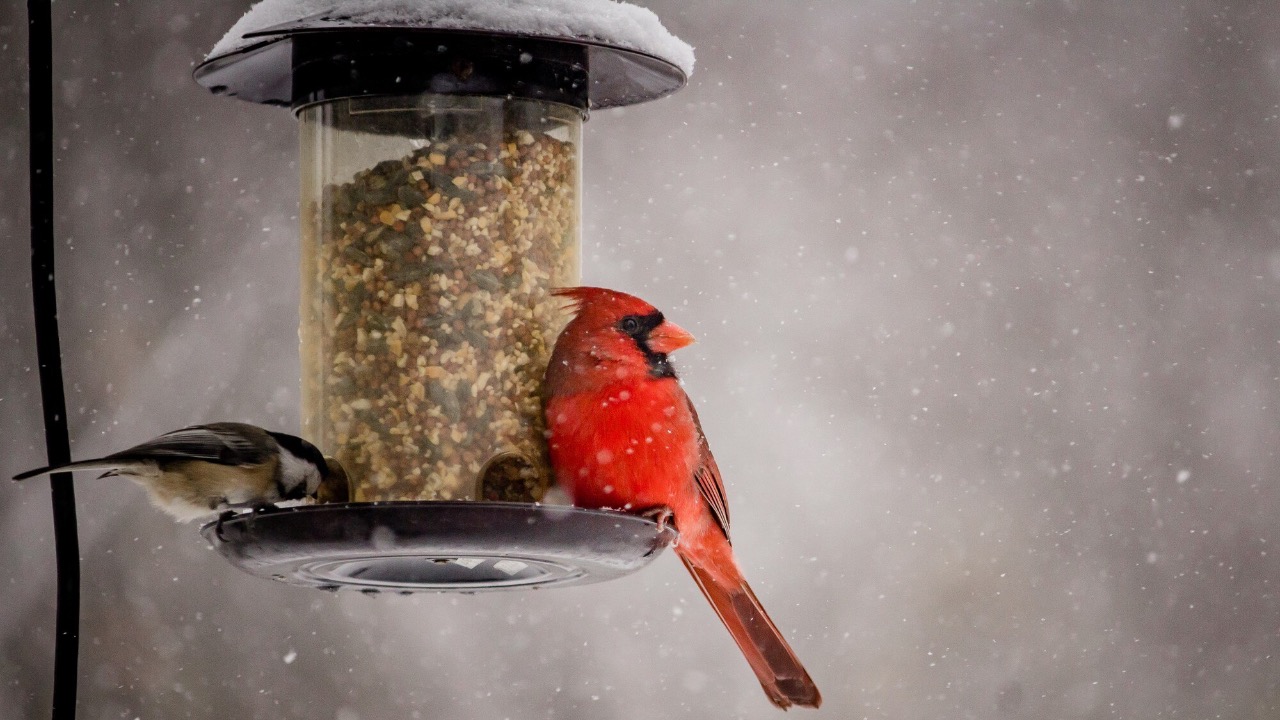
When you put out feed, you’re pulling birds into a tight space. Species that would normally spread out across a landscape end up sharing a single point day after day.
That concentration changes behavior. You’ll see more competition, more aggressive interactions, and species mixing in ways they wouldn’t otherwise. It can also shift local population patterns, at least temporarily. In some areas, birds start relying on those spots as a core part of their routine. That’s where the concern starts—when natural spacing gives way to crowding tied to a human food source.
Disease Transmission Becomes a Real Concern
Crowded feeders create ideal conditions for disease to spread. Birds are in constant contact with each other and the same surfaces—perches, trays, spilled seed on the ground.
Outbreaks of things like salmonella or conjunctivitis have been tied to feeder use, especially when they aren’t cleaned regularly. Once it starts, it moves quickly through local populations. You might not notice it right away, but it can take a toll. Wildlife agencies have, at times, asked people to take feeders down during outbreaks to slow transmission.
Some Birds Begin to Rely on Feeders More Than They Should
Most wild birds don’t depend entirely on feeders, but regular feeding can change their habits. Instead of ranging widely for natural food, they may spend more time returning to a reliable source.
That shift can matter in subtle ways. Birds might delay migration, adjust nesting timing, or stick around areas they’d normally leave. If the food source disappears suddenly—say you stop filling the feeder—they have to readjust on the fly. Healthy birds can adapt, but the transition isn’t always smooth, especially during harsh conditions.
Predators Learn to Key In on Feeding Areas
Where prey gathers, predators follow. Feeders can turn into predictable hunting spots for hawks, neighborhood cats, and other opportunists.
You might notice a hawk showing up more often once birds start frequenting your yard. It’s not accidental. The same concentration that makes birdwatching easier also makes hunting easier—for predators. That’s part of the natural system, but feeders can tip the balance by creating a consistent, reliable target area that wouldn’t exist otherwise.
Feeders Can Help Birds Through Tough Conditions
There’s a reason people keep putting feeders up. In cold climates or during late winter, supplemental food can help birds make it through periods when natural sources are scarce.
High-fat seeds can support energy needs when temperatures drop and daylight is short. For some species, especially in developed areas, feeders can provide a steady buffer against lean times. This is the other side of the debate—feeders aren’t automatically harmful. In the right context, they can support survival when conditions get tight.
Poor Maintenance Causes More Harm Than the Feeders Themselves
A clean feeder and a dirty one aren’t the same thing. Most of the problems tied to feeders come back to how they’re maintained.
Moldy seed, wet buildup, and droppings left to accumulate all increase health risks. If you’re not cleaning regularly, you’re raising the chances of disease spreading through your local birds. It doesn’t take much neglect to create a problem. Keeping things dry and cleaned out goes a long way toward reducing the downside.
Urban and Suburban Growth Is Driving the Debate
More people are living in places where feeders are easy to set up—backyards, patios, small properties. That’s led to a sharp increase in how many feeders are out there.
With that growth comes more impact. You’re not talking about a few scattered feeding stations anymore. In some neighborhoods, birds can move from one feeder to the next all day. That level of exposure changes how wildlife interacts with human spaces, and it’s pushing the conversation forward among researchers and wildlife managers.
Not All Species Respond the Same Way
Some birds take to feeders immediately. Others ignore them almost entirely. Seed-eaters like finches and sparrows show up in numbers, while insect-focused species may barely interact with them.
That uneven response can shift the local balance. You might see certain species increase while others stay the same or even decline in relative presence. Over time, that can change what your local bird community looks like. It’s not always dramatic, but it’s noticeable if you’ve been watching the same ground for years.
Regulations Are Starting to Reflect the Concern
In some areas, wildlife agencies have stepped in with guidance or temporary restrictions, especially during disease outbreaks or in regions where feeding affects larger animals like bears.
Those moves aren’t random. They come from observed patterns—sick birds, increased human-wildlife conflict, or changes in behavior that raise concern. You’re seeing a shift toward more active management, even if it’s still limited. The days of feeders being seen as entirely neutral are starting to fade.
You can still hang a feeder and enjoy it. Plenty of people do, and plenty of birds benefit in certain conditions. But the conversation has changed. What used to feel like a harmless backyard habit now comes with a better understanding of its tradeoffs.
Like most things in the outdoors, it comes down to awareness. You pay attention, keep things clean, and understand that even small actions can shape how wildlife behaves around you.

Asher was raised in the woods and on the water, and it shows. He’s logged more hours behind a rifle and under a heavy pack than most men twice his age.