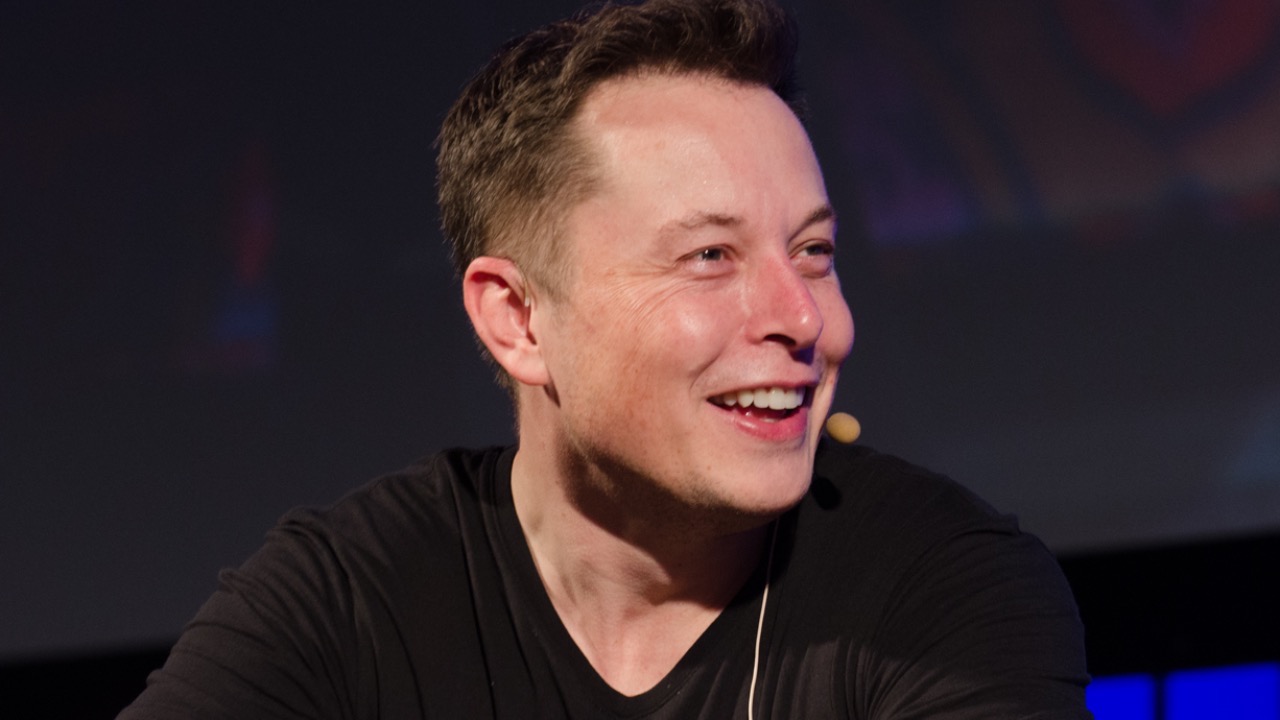
Despite newly minted trillionaire status, Elon Musk predicts money ‘will stop being relevant’ in an AI-driven future
The SpaceX IPO this month pushed his net worth past $1 trillion, cementing his position atop global wealth rankings. Yet Musk continues to argue that rapid advances in artificial intelligence and robotics could render financial concerns largely obsolete within decades. His comments draw on long-held ideas about technological abundance, framing AI not merely as a tool for efficiency but as a path to a post-scarcity world where human needs are met with minimal effort.
Musk’s Trillionaire Milestone Amid Bold Predictions
Elon Musk reached trillionaire status following the successful public debut of SpaceX, which valued the company at nearly $2 trillion and boosted his holdings significantly. The milestone arrived as shares climbed after the Nasdaq listing, highlighting the enormous market confidence in his ventures across space, electric vehicles, and beyond.
Observers note the contrast between this unprecedented personal wealth and Musk’s repeated forecasts that money itself may fade in importance. He has positioned the achievement as a stepping stone rather than an end goal, emphasizing how technology could transform economic realities for everyone.
Vision of Abundance Through AI and Robotics
Musk has described a future where AI and advanced robotics generate such vast productivity that goods and services become extremely cheap or freely available. In this scenario, machines handle most labor, allowing humans to pursue activities out of interest rather than necessity.
He has referenced science fiction concepts, such as those in Iain M. Banks’ Culture series, where material constraints largely disappear. Musk believes continued progress in these technologies points toward an era of genuine plenty, with energy and manufacturing costs plummeting through automation and renewable sources.
Work Becoming Optional in the Long Term
According to Musk, AI-driven automation could make traditional employment a choice rather than a requirement within 10 to 20 years. People would still find purpose in creative or exploratory pursuits, but the pressure to earn a living through routine jobs would ease considerably.
This shift stems from robots and intelligent systems outperforming humans in a wide range of tasks. Musk has pointed to projects like Tesla’s humanoid robots as early steps toward this outcome, where machines could eventually outnumber people and manage production at scale.
Universal High Income as a Bridge
To manage the transition, Musk has advocated for universal high income supported by government mechanisms, funded by the enormous economic growth from AI and robotics. This goes beyond basic support to ensure broad access to goods and services during periods of disruption.
He argues that deflationary effects from technology would make such payments sustainable. The idea aims to address short-term job losses while society adapts, with the long-term goal of moving past monetary dependencies altogether as abundance takes hold.
Lingering Constraints and Societal Questions
Even in Musk’s optimistic outlook, physical limits like energy availability and raw materials would persist, requiring careful management. He has stressed the need for safe, aligned AI to avoid risks and ensure benefits reach humanity at large.
Critics question the timeline and feasibility, raising concerns about inequality, governance, and how meaning would be found without conventional work. Musk acknowledges these challenges but maintains that resisting progress would only delay potential gains for society.
Broader Implications for Humanity’s Path
Musk’s predictions tie into his wider efforts in space exploration and sustainable energy, viewing multi-planetary expansion and technological leaps as essential for long-term survival. The trillionaire status amplifies attention on these ideas, sparking debates about the role of extreme wealth in shaping the future.
Whether or not money fully recedes in relevance remains uncertain, but Musk’s track record of turning ambitious concepts into reality keeps many watching closely. The coming years will test how quickly AI and robotics can deliver on the promise of widespread abundance.

Asher was raised in the woods and on the water, and it shows. He’s logged more hours behind a rifle and under a heavy pack than most men twice his age.