Dog breeds most likely to ignore commands, according to owners
Owners of independent-minded dogs often joke that their pets speak fluent selective hearing. Yet when a dog routinely tunes out cues, it can strain the bond at home and even create safety risks in busy, urban environments. Drawing on breed guides, training analyses and owner testimony, I look at which dogs are most often described as ignoring commands and why that behavior shows up so consistently.
Across these reports, a pattern emerges: the breeds that frustrate owners at obedience class are rarely “dumb.” They tend to be clever, self-directed and bred for jobs that rewarded initiative more than instant compliance. Understanding that context, and the specific quirks of each breed, is the first step to turning stubborn silence into a more cooperative partnership.
How experts define “least obedient” dogs
When trainers and behaviorists talk about the least obedient breeds, they are usually describing how reliably a dog responds to known cues, not its overall intelligence. Classic rankings of canine intelligence, such as those compiled by Professor Stanley Coren in “The Intelligence of Dogs,” focus on how quickly breeds learn new commands and how often they obey on the first try. Separate guides to the least obedient dog emphasize traits like high energy, strong prey drive and a tendency to prioritize environmental stimuli over the handler’s voice. In other words, a dog can understand “sit” perfectly well and still decide that chasing a scent is more important.
Breed registries and training resources add another layer by describing the original work each dog was bred to do. The American Kennel Club describes hundreds of breeds that were developed to hunt, guard, pull sleds or work independently in the field, often far from human supervision. General breed overviews on sites like Wag echo that some dogs are wired to make decisions on their own. When those instincts land in a modern living room, owners often interpret the same independence as ignoring commands, even if the dog is simply following deeply ingrained programming.
Afghan Hound: the elegant icon of selective hearing
Few breeds are cited as often for low obedience as the Afghan Hound, a dog that appears at the top of multiple lists of difficult-to-train companions. Training guides describe the Afghan Hound as “Independent” in Personality, with a Height of 25 to 27 inches and a Weight of 50 to 60 pounds, and note that this proud sighthound often prefers to do things on its own terms. Analyses of the They lowest ranked breeds in obedience testing place the Afghan Hound at the bottom for first-command compliance, which reinforces its reputation among owners as a dog that simply refuses to listen.
Other reporting goes further, describing how this aloof hunter behaves in everyday life. One guide to the Afghan Houndnotes that this dog, credited in one feature with images from Wikimedia Commons, was bred to course game over harsh terrain and is used to making split-second decisions without waiting for human input. Another training analysis explains that, though this breed of dogs is not trying to dominate its owner, it has an extremely low obedience level and often prefers to follow its own path instead of listening to the handler, a point underscored in a guide that notes, “Though this breed of dogs is not looking to rule above you, it has an extremely low obedience level,” when describing the Afghan Hound. Separate coverage of the “dumbest” breeds adds that the Afghan hound, Despite being one of the most expensive dogs in the world, scores lowest in IQ tests focused on obedience, which again reflects how often owners see this breed ignore even well-taught commands.
Akita and other headstrong guardians
Guardian breeds often top owner lists of dogs that seem to ignore cues, and the Akita is a recurring example. A curated list of stubborn breeds urges readers to Check the Akita first, noting that Akitas are known for their strong will when it comes to following commands. Another version of the same guide repeats that Akitas can be particularly resistant to training that relies on repetition rather than mutual respect. A separate ranking of stubborn dogs lists the Akita as the number one most stubborn breed and describes the 80 to 90-pound dog as powerful and difficult to motivate without firm, consistent guidance.
Trainers who still recommend these dogs for experienced owners stress that their independence is part of what makes them appealing. A consensus list of difficult breeds describes how The List of stubborn companions includes the Akita, and one profile notes that Akita, shown in a Photo by Charles Gaudreault on Unsplash, is a highly intelligent guardian that simply does not see the point of obeying every minor request. Another feature on Dog Breeds That Are Stubborn but Totally Worth It, According to Trainers, quotes Ellis saying the Akita is a powerful Japanese dog that demands respect and structure. In all of these accounts, owners report that when an Akita decides a command is unnecessary, it will simply look away and carry on, a behavior that reads as defiance even when it stems from deep confidence and a strong guarding instinct.
Siberian Husky and the sled-dog mindset
Among owners, few breeds have a stronger reputation for ignoring commands than the Siberian Husky. Training guides aimed at people considering the 7 most stubborn dog breeds warn that the Siberian Husky is infamously known to have a mind of its own. The same analysis notes that Siberian Huskies are escape artists, described as These Houdini hounds, and that their curiosity and drive can make them a delightfully challenging breed to train. Another guide to stubborn dogs repeats that the Siberian Huskies often require extra patience and creativity because they quickly grow bored with repetitive drills.
Owner anecdotes reinforce that reputation in blunt terms. In one widely shared discussion of the worst breeds for first-time owners, a commenter singles out “Siberian freakin’ huskies” and jokes, “Yeah you know everything about huskies? Let’s make it bigger,” when describing a husky and wolfhound mix, capturing how overwhelming their energy can feel to novices. The same thread, preserved at Dec 21 commentary, is full of people warning that casual dog owners be warned because these dogs will scream, resist grooming and ignore basic cues if their needs are not met. A separate discussion of handler-oriented breeds notes that sled dogs are bred to trust their own judgment in harsh conditions, with one commenter agreeing, “Yes, exactly like the sled dogs. They have to trust their own judgment,” a point highlighted in a thread where They discuss how such independence can look like disobedience in a suburban yard.
Basenjis and other primitive, independent hounds
Primitive breeds that evolved with minimal human micromanagement often show a similar pattern of ignoring commands unless they see a clear benefit. Basenjis are a textbook case. A detailed temperament guide explains that Basenjis tend to think for themselves, which means this barkless dog might not always follow commands immediately, especially if they become bored or distracted. A separate version of the same guide notes that Apr 4 guidance for dog lovers emphasizes that this breed’s independent streak is not a flaw but a core part of its identity.
Broader analyses of the least obedient dogs group Basenjis with other hounds that were bred to track game without constant human direction. A comprehensive guide to the Characteristics of Less notes that Less obedient dogs often share traits like intense focus on scents, high stamina and a tendency to lock onto a trail, which can make it hard to redirect them with verbal cues. Another consensus list of stubborn breeds highlights how this ability to concentrate on a scent, as seen in the Basset Hound, can make it difficult to guide a dog back to the handler’s agenda, a point underscored in a profile that explains how a Basset Hound may ignore commands while following its nose. Owners of Basenjis and similar breeds often report that their dogs hear them perfectly well, then calmly choose to continue whatever they were doing, a quiet but unmistakable form of noncompliance.
Bulldogs, Boxers and the “what’s in it for me” attitude
Some of the most famously stubborn dogs are not hunters or sled pullers but companion breeds that simply do not see the point of constant obedience. Training specialists describe how Bulldogs are notorious for their stubborn nature and explain that, While they are intelligent dogs, they often prefer to lounge rather than respond instantly to every cue. A detailed guide to English Bulldogs notes that English Bulldogs can be slow to respond because of their laid-back attitude, which many owners misinterpret as defiance. Another profile of stubborn breeds calls the Bulldog a prime example of a dog that needs firm, consistent training early on, a point made in a feature that lists the Bulldog among the most headstrong companions.
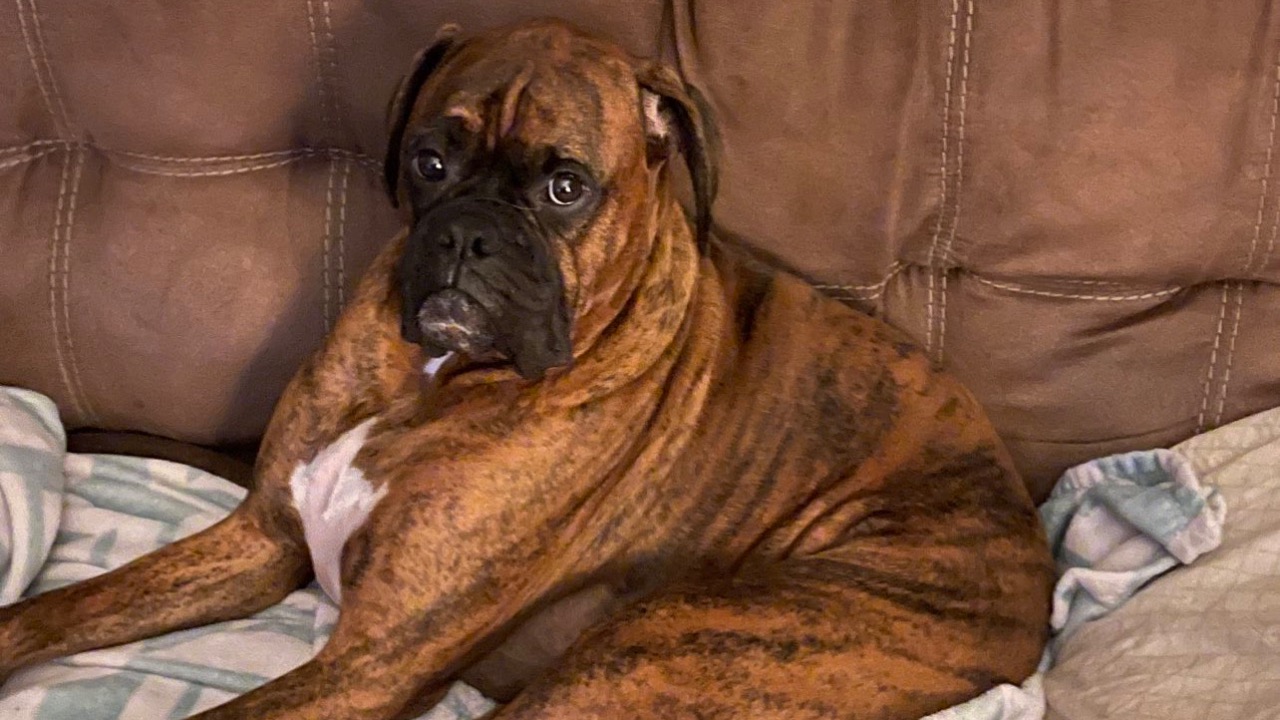
Boxers, another popular family breed, are often described as fun-loving clowns who nevertheless have a strong independent streak. A temperament overview explains that They are extremely independent and are not pushovers, quick to ignore commands and prone to selective hearing despite their intelligence. Owners frequently report that Boxers will comply when they are engaged in a game or training session but tune out when they are bored or see no reward on offer. That “what’s in it for me” attitude, shared by many companion breeds, means that without consistent reinforcement and clear boundaries, these dogs can become experts at pretending they never heard the cue in the first place.
Small dogs with big opinions: Havanese and Scottish Terriers
Stubbornness is not limited to large or athletic dogs. Toy and small terrier breeds can be just as likely to ignore commands, often because owners underestimate their need for structure. A detailed guide to the Havanese on Wag notes that this cheerful toy dog has a distinct temperament and can become willful if not given clear boundaries. Another overview of the same breed explains that Wag breed profiles emphasize diet, health and temperament, and that without consistent training, small dogs like the Havanese may learn that ignoring commands has no real consequences.
Scottish Terriers, by contrast, bring a working terrier’s determination in a compact frame. The Scottish Terrier Club of America explains that the AKC BREED STANDARD, written by experts, sets out how Every breed of dog recognized by the American Kennel Club should look and behave, and the Scottie’s description highlights its bold, independent character. That same standard, referenced in the AKC breed listings, notes that terriers were bred to work on their own, hunting vermin and making quick decisions underground. Owners often report that this heritage shows up as a refusal to come when called if the dog is busy investigating a scent or guarding its territory, a behavior that can be managed but not erased with training.
When “least obedient” does not mean “bad dog”
Across these breeds, trainers stress that low obedience scores do not make a dog unlovable or untrainable. A feature on Dog Breeds That Are Stubborn but Totally Worth It, According to Trainers, argues that these dogs can be deeply rewarding companions for people who appreciate their independence, highlighting how some owners actively seek out a challenge. In that piece, Dog Breeds That are described as Totally Worth It precisely because they force humans to improve their training skills and communication. Another curated list invites readers to Check which stubborn breeds might still be a good fit, underscoring that Some dog breeds are known for their independent nature, but that does not mean they cannot thrive in the right home.
Comprehensive guides to the least obedient dog emphasize that many of these dogs excel in sports or jobs that tap into their natural drives, from scent work to agility. A consensus list of stubborn breeds, labeled The List, notes that Akitas, Basset Hounds and other independent dogs can form strong bonds when training is framed as a partnership rather than a one-way command. Even discussions on forums where people vent about difficult breeds often end with owners acknowledging that, once they adjusted their expectations and invested in training, the same dogs that once ignored every cue became loyal, if still opinionated, companions.

Leo’s been tracking game and tuning gear since he could stand upright. He’s sharp, driven, and knows how to keep things running when conditions turn.