Doug McCain, eldest son of the late senator John McCain, dies aged 66
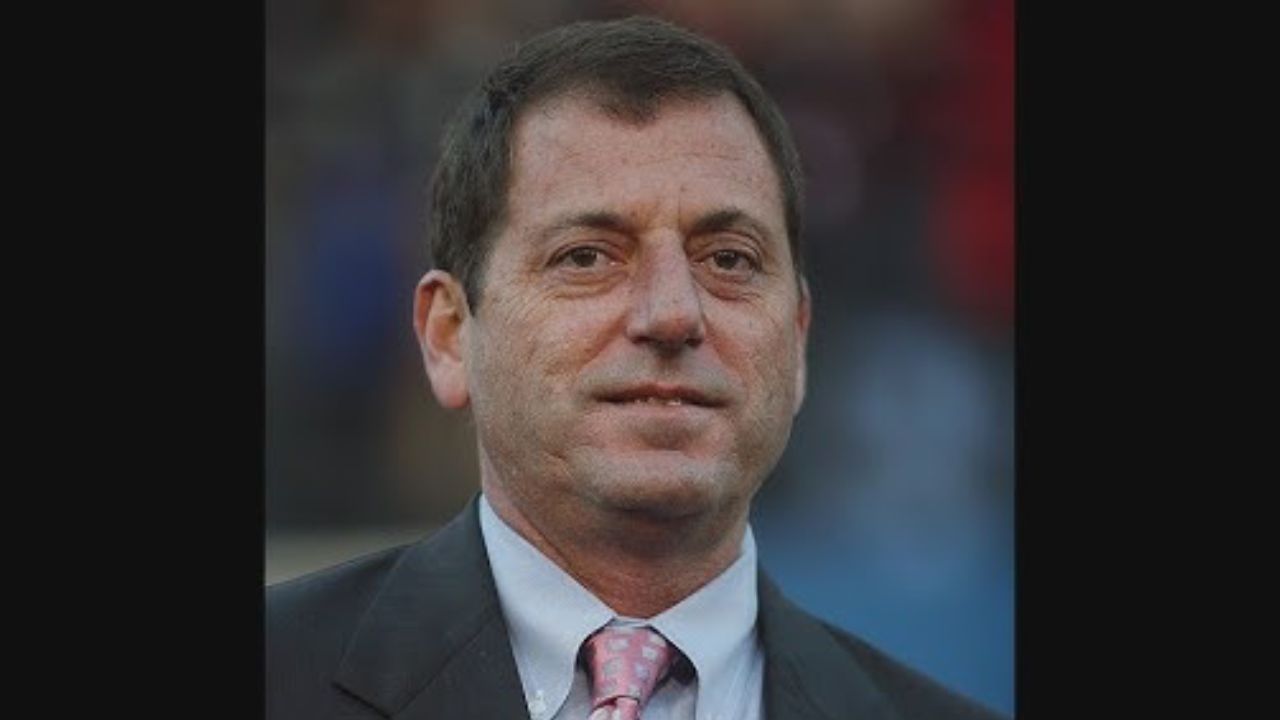
Doug McCain, the eldest son of the late Senator John McCain, has died at the age of 66. His death closes a chapter for one of the most closely watched political families in the United States and has prompted tributes that reveal a quieter figure who largely stayed out of public view. Family members and friends are now mourning a man they describe as kind, steady and deeply loyal.
What happened
Douglas Shepp McCain died suddenly at 66, according to multiple family tributes and local reports. Early accounts describe his death as unexpected, and relatives have not publicly detailed the precise medical cause. One report that collates early information on the cause of death notes that authorities have not indicated foul play and that the family is treating the loss as a private matter.
Doug McCain was John McCain’s eldest child and the only son from the senator’s first marriage to Carol Shepp. He was raised in a blended household that would later include John and Carol’s daughters, as well as the children John McCain had with his second wife, Cindy. While his father became a national figure in Congress and on the presidential campaign trail, Doug built a life with far less public exposure.
News of his death began circulating after relatives shared statements on social media and through spokespeople, followed quickly by local coverage in Arizona, where the McCain name carries particular weight. One detailed account from Phoenix confirmed that Douglas McCain had and described him as a longtime presence in his father’s political life who nonetheless preferred to remain offstage.
National outlets then amplified the story, framing Doug as the eldest member of the McCain children and noting his relatively low profile compared with his siblings. A report that highlighted how the oldest McCain son at 66 emphasized that he had been a familiar face to campaign staff and Arizona political insiders, even if he was not a regular on cable news or at national political events.
Doug’s sister Meghan McCain, a media commentator and one of the most visible members of the family, confirmed his death in a personal tribute. She wrote that she was “in shock and grief” and described her brother as a “truly wonderful, joyful man” whose loss had left the family “shattered.” Entertainment industry coverage of Meghan’s remarks stressed that her brother Douglas Shepp had been a protective and loving presence in her life, particularly during their father’s cancer diagnosis and death.
Other relatives and friends echoed that portrayal, recalling a man who was fiercely protective of his family and proud of his father’s military and political record. Political allies of John McCain also shared condolences, some of them recalling Doug’s presence at campaign events and his role in supporting the senator’s grueling national schedules.
Why it matters
Doug McCain’s death resonates far beyond his immediate circle because of what the McCain family represents in American politics. John McCain’s career in the Senate, his status as a Vietnam War veteran and former prisoner of war, and his two presidential campaigns made his family part of the public conversation for decades. The loss of his eldest son adds another layer of personal tragedy to a household already shaped by sacrifice and public scrutiny.
Within the family’s internal story, Doug’s place was distinctive. As the eldest child, he experienced his father’s early political rise and the strain that national office can place on private life. Reports on the family’s history note that he grew up during the years when John McCain was moving from Navy service into politics, then watched as his father became a national figure. That vantage point gave him a different relationship to public life than his younger siblings, who came of age when the McCain name was already a fixture in Washington.
Tributes from Meghan McCain and others suggest that Doug often acted as a stabilizing figure inside a family that lived with constant public attention. In her remembrance, Meghan described the way he checked on her during the most intense moments of their father’s illness and after his death, and how he tried to shield younger relatives from some of the harsher edges of public debate. Those details help explain why his sudden loss has been described within the family as a second major blow after John McCain’s passing.
For Arizona, the news carries symbolic weight. The McCains have long been associated with the state’s political identity, and Doug’s presence there linked the family’s next generation to that legacy. Local political reporting that chronicled Douglas McCain’s life noted that he maintained close ties to Arizona even as he avoided the spotlight. His death narrows the circle of McCain family members who have a direct connection to the years when John McCain was building his statewide and national base.
The response from national political figures also reflects the enduring influence of the McCain name. While many statements have focused on condolences rather than policy, they implicitly acknowledge the role of political families in shaping how voters understand public service. Doug’s life, largely lived away from cameras, highlights how those families include people who never run for office but still carry the emotional and practical burdens that come with a public career.
Coverage of the reaction in Washington and beyond has also pointed out that Doug’s death comes at a time when the Republican Party is still debating the legacy of figures like John McCain. Some tributes have framed Doug as a quiet guardian of his father’s memory, someone who valued the senator’s emphasis on duty, national service and bipartisan cooperation. That framing connects his loss to broader questions about what kind of political example the McCain story now sets for younger Republicans.
The public reaction has been shaped as well by the way Meghan McCain has chosen to speak about her brother. In addition to her social media statements, she has previously written and spoken about the strain of losing her father and the pressure of defending his record in a polarized media environment. Her new grief, and the way she has described Doug as a source of comfort, adds another layer to her already prominent role as a keeper of the family’s public narrative.
Internationally, the story has drawn attention because John McCain’s career intersected with major foreign policy debates. Some coverage in global outlets has briefly sketched Doug’s life as part of a broader look at how the McCain family has coped with loss. One such account highlighted how Meghan McCain’s tribute to her brother linked his memory to her father’s values and to the idea of service across generations.
What to watch next
In the near term, attention will focus on how the McCain family chooses to commemorate Doug’s life. Details about memorial services and public remembrances have not yet been fully outlined. Given the family’s history, any gathering is likely to draw a mix of political figures, military colleagues of John McCain and longtime Arizona friends, alongside Doug’s own network.
Observers will also be watching how the family balances privacy with public expectation. During John McCain’s illness and funeral, the family opened portions of their mourning to national audiences, including memorial events in Arizona and Washington. With Doug, relatives may opt for a more private approach, particularly since he did not seek public attention during his life. Early reporting on how the oldest son’s death became public suggests that they are still deciding what to share.
There is also likely to be renewed interest in the personal histories of the McCain children and how they have navigated their father’s legacy. Profiles and remembrances may look more closely at Doug’s career, his relationships with his siblings and his role in supporting John McCain’s political work behind the scenes. Some early features have already begun to trace those threads, portraying him as a bridge between the family’s early years and its more recent public life.

Leo’s been tracking game and tuning gear since he could stand upright. He’s sharp, driven, and knows how to keep things running when conditions turn.